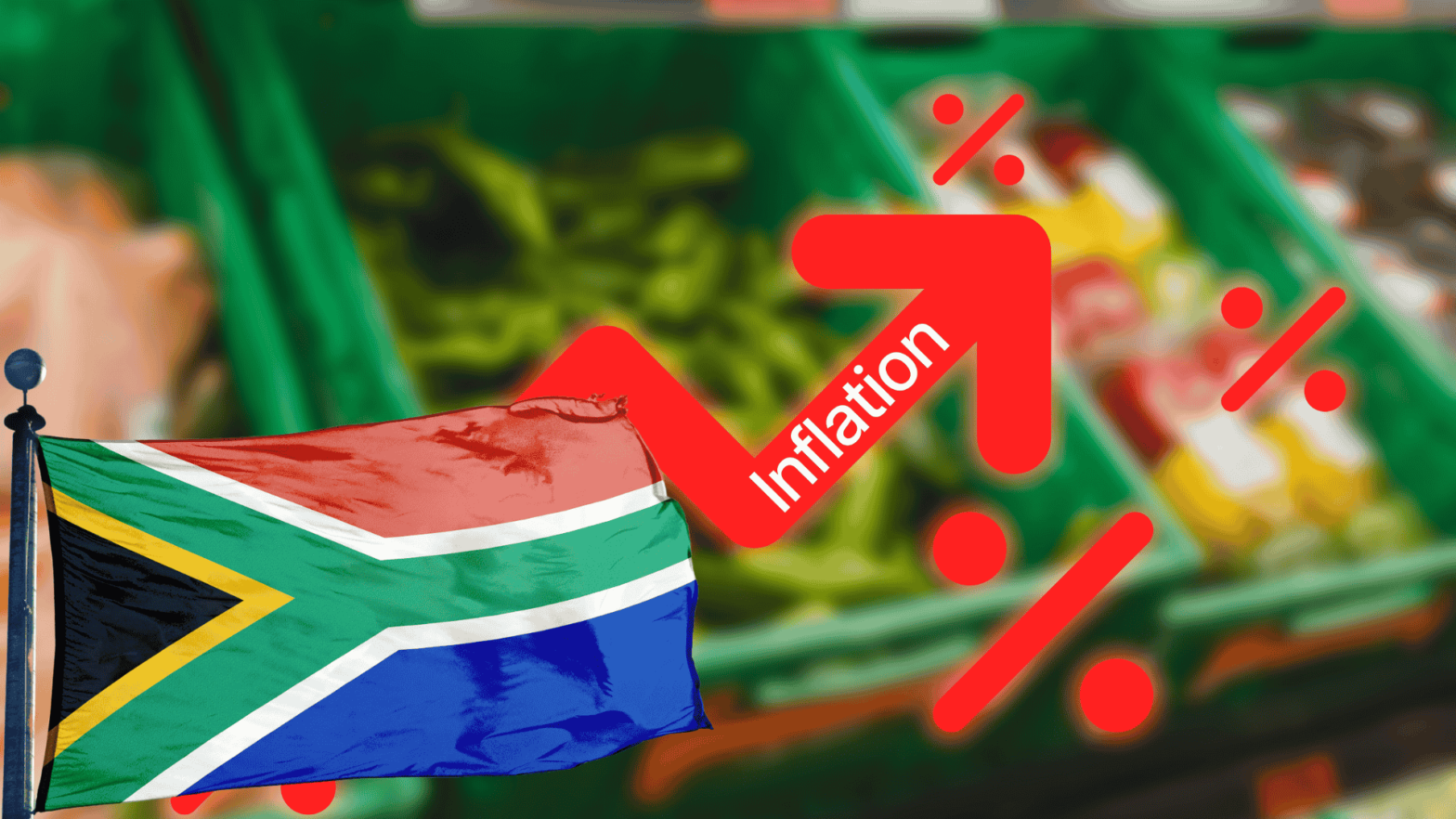



Escalating geopolitical tensions is rippling through South Africa’s debt market, triggering the country’s sharpest government bond sell-off in six years as investors rethink the outlook for interest rates.
Yields on South Africa’s benchmark 10-year government bond surged by 36 basis points on Monday, extending a rapid climb that has taken place over the past 10 days, according to Bloomberg estimates.
Since the outbreak of conflict in the Middle East — which has sent oil prices sharply higher — yields have risen more than 90 basis points, marking the steepest jump over a similar period since the early days of the Covid-19 pandemic in March 2020.
The sell-off reflects a sudden reversal in investor sentiment amid rising macroeconomic pressures.
Markets that were recently expecting further interest-rate cuts from the South African Reserve Bank (SARB) are now bracing for the possibility that policymakers may instead need to tighten policy again if inflation worsens.
Investors abandon rate-cut bets
For much of the past year, the outlook for South Africa’s bond market had been improving. Inflation remained contained through 2025, staying below 4%, which allowed the central bank to cut interest rates five times to support economic growth.
That backdrop helped drive a rally in government debt instruments, pushing yields down to levels not seen in more than a decade as investors bet the easing cycle would continue.
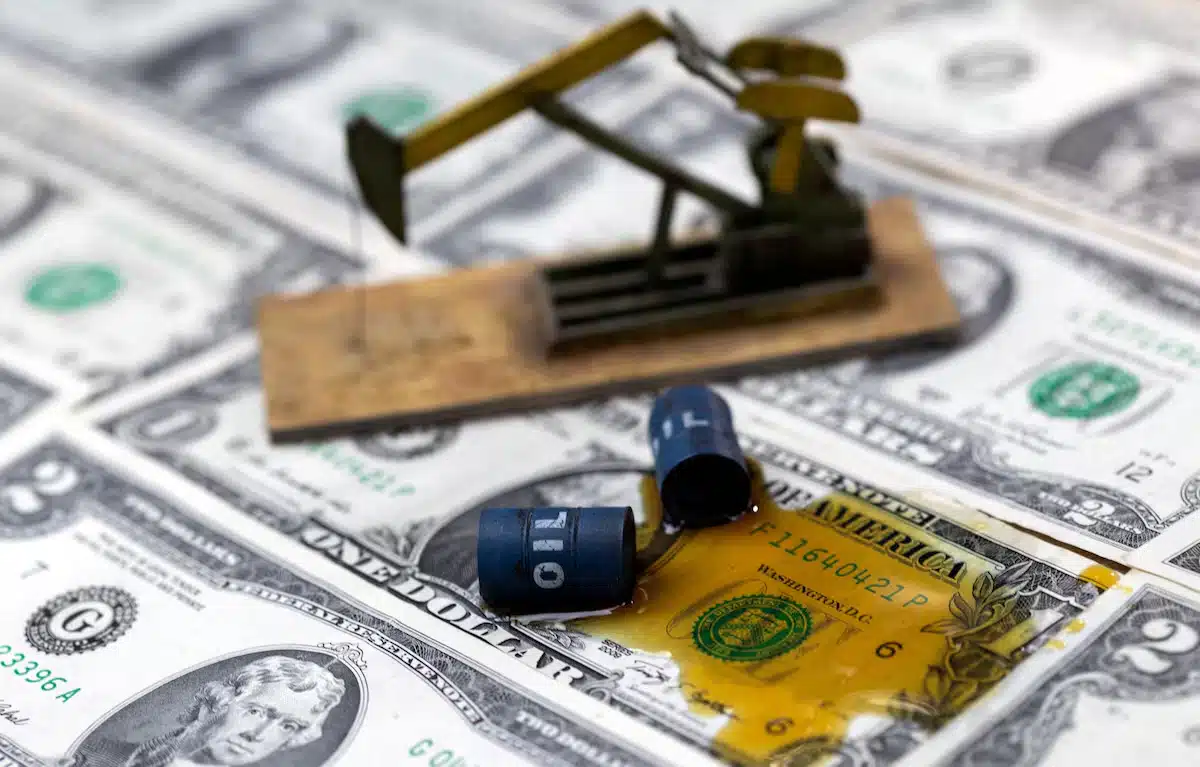
But the surge in global oil prices, triggered by heightened tensions between Iran and the US, has forced a rapid reassessment.
Derivatives markets now show traders have fully priced out the possibility of a rate cut at the central bank’s next policy meeting later this month. Instead, they are increasingly positioning for the opposite outcome: higher interest rates before the end of the year.
Forward-rate agreements currently imply about a 40% probability that borrowing costs could rise by 25 basis points by December. Just a month ago, markets had been expecting the central bank to deliver about 50bps of cuts over the same period.
Michael Grobler, a fixed-income strategist at Ashburton Fund Managers, said the shift in expectations reflects the ripple effects of rising crude prices on the broader economy.
“Clearly, the market pricing out all the rate cuts by SARB makes sense as there are first-order and second-order effects of the rise in crude oil that impact local fuel and diesel and spill over into CPI,” he said. “The SARB will be hesitant to cut for the foreseeable future.”
Foreign investors drive the sell-off
The sharp move in yields has been exacerbated by foreign investors exiting the market in large volumes.
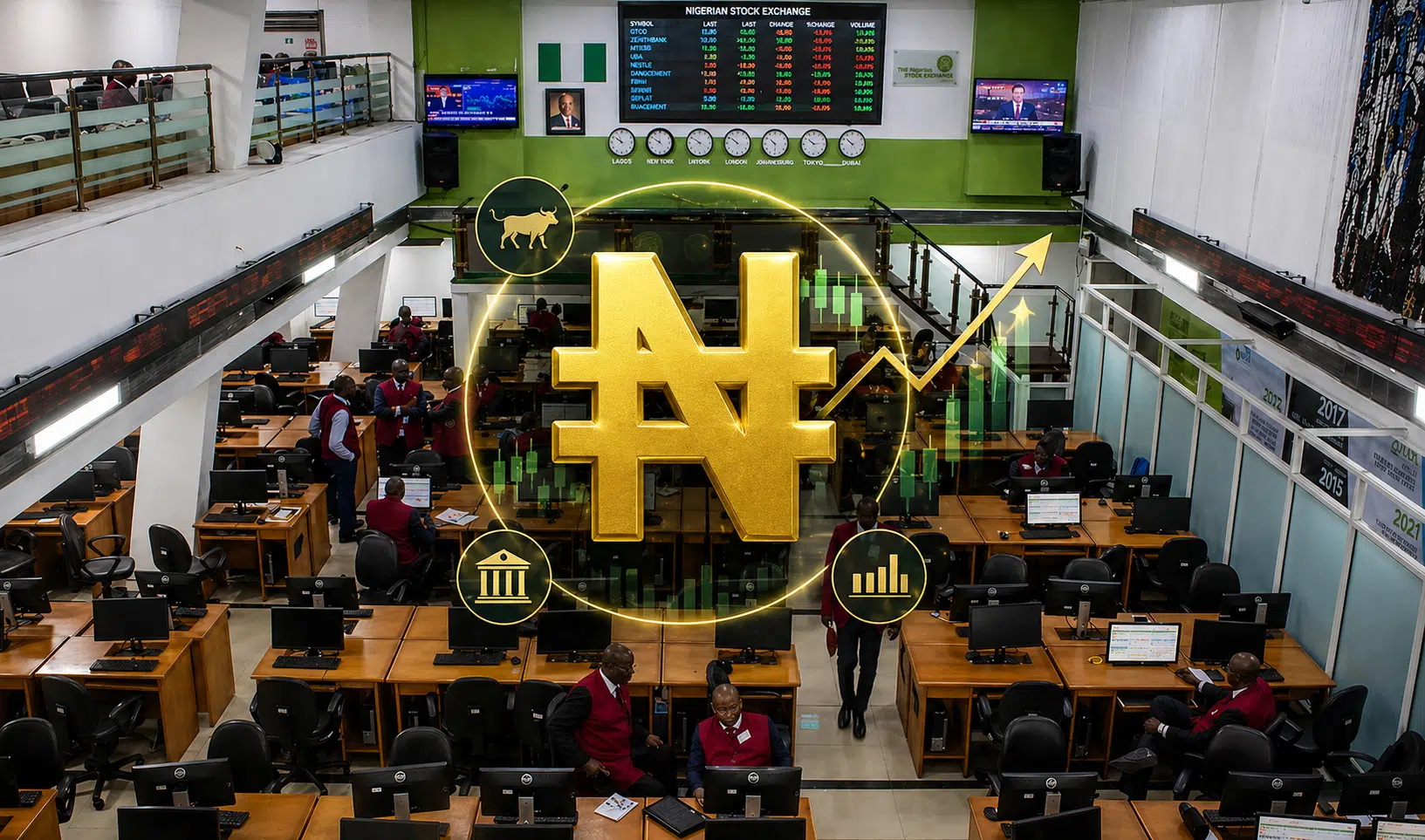
Data from the Johannesburg Stock Exchange shows that international investors sold a net R18.2 billion worth of South African government bonds on Friday — the largest single-day outflow since records began in 1996.
Those flows matter because overseas investors hold a significant share of the country’s local-currency debt, meaning their selling can move markets quickly.
“When foreigners sell in size, the local market can struggle to absorb that flow quickly,” said Kristof Kruger, a senior fixed-income trader at Prescient Securities. “That’s why yields are jumping rather than moving gradually.”
Despite the volatility, Kruger noted that market conditions have not yet deteriorated to the point where authorities would typically step in.
Central bank watching for signs of stress
Officials at the central bank say they are closely monitoring developments.
During the Covid-19 crisis in 2020, the SARB stepped in as a buyer of government bonds to restore liquidity when trading conditions deteriorated sharply.
For now, policymakers say such intervention is not necessary.
Fundi Tshazibana, SARB’s Deputy governor, on Monday said the central bank maintains clear guidelines for when it would act as a buyer of last resort if market functioning were threatened.
“In the event that we assess that there is a particular market dislocation or a dysfunction, as happened during the time of Covid, then the SARB has a number of tools that we can utilise,” she said.
Inflation risk returns to the spotlight
The bigger question now confronting investors is how persistent the oil shock will prove — and what it means for inflation.
Higher energy costs can quickly feed through the economy, raising the price of transport, fertilisers and food. If those pressures persist, the central bank may have little choice but to keep interest rates steady or even tighten policy again.
For a market that had been confidently betting on lower borrowing costs just weeks ago, the abrupt shift has been dramatic — and it has already left South Africa’s bond market facing its most turbulent stretch in years.