
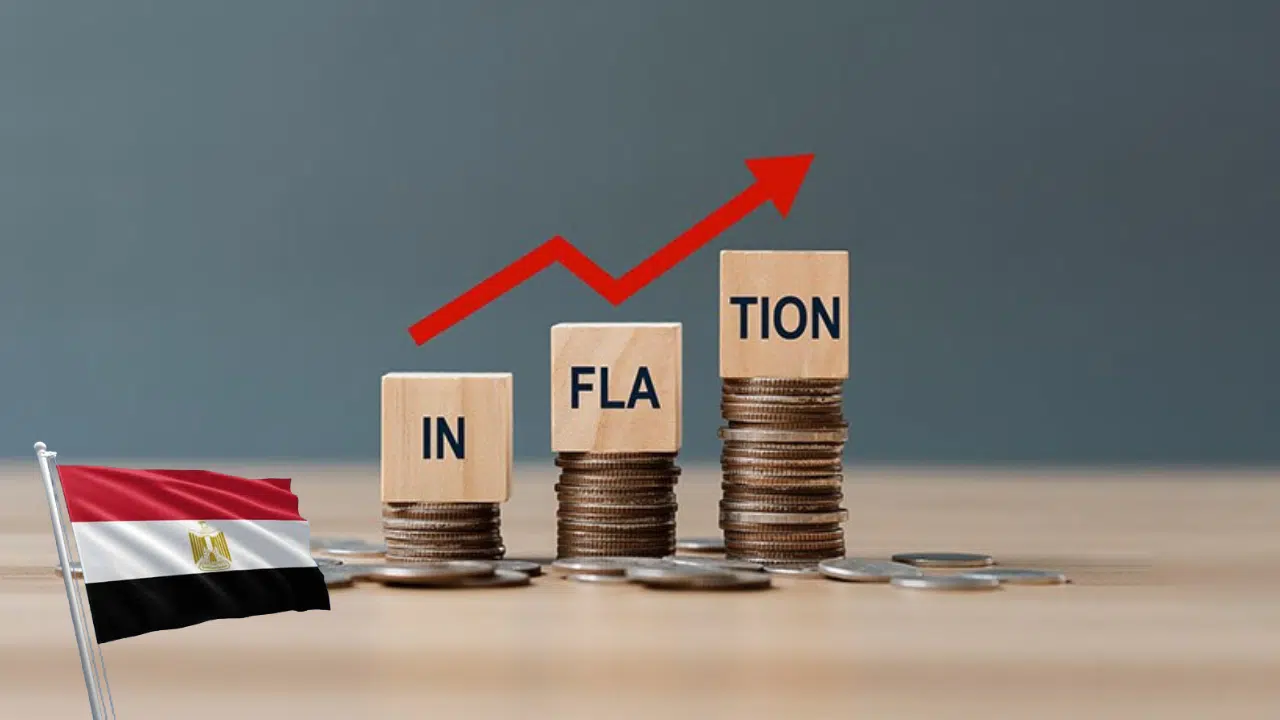


Egypt has raised fuel prices by 14-17% effective immediately, marking the first such adjustment of the year as the North African nation grapples with soaring global energy costs exacerbated by the ongoing U.S.-Israeli conflict with Iran.
The move, announced by the Ministry of Petroleum and Mineral Resources, affects diesel and various grades of gasoline, underscoring the country’s efforts to curb subsidies under International Monetary Fund (IMF) guidelines while navigating economic instability.
The price increases come against a backdrop of heightened volatility in international energy markets, where crude oil prices have surged more than 25% since January due to disruptions in Middle Eastern supply chains. The conflict has led to the closure of key Gulf shipping routes, halting significant portions of oil and gas exports from the region. As a net energy importer, Egypt has been particularly vulnerable, with import costs straining its foreign reserves and widening its fiscal deficit.
“This adjustment is a necessary step to align domestic prices with global realities and ensure fiscal sustainability,” said Prime Minister Mostafa Madbouly in a statement last week, warning of “exceptional measures” to stabilise the economy. The hike follows a similar increase in October 2025, part of a broader reform program tied to Egypt’s reliance on IMF support.
Egypt’s current IMF arrangements include an Extended Fund Facility (EFF) originally approved in December 2022 at $3 billion and expanded to $8 billion in March 2024 to address foreign currency shortages and high inflation (which peaked at 38% in September 2023).
The 46-month program, recently extended through December 15, 2026, supports macroeconomic stabilisation, subsidy reforms, and private-sector-led growth. Egypt also has a separate Resilience and Sustainability Facility (RSF) arrangement worth approximately $1.3 billion.
As of early March 2026, following the IMF Executive Board’s approval of the combined fifth and sixth reviews under the EFF and the first review under the RSF on February 25-26, 2026, Egypt unlocked about $2.3 billion in fresh financing, roughly $2 billion from the EFF and $273 million from the RSF.
This brought total disbursements under both facilities to approximately $5.2 billion (equivalent to about 190.7% of Egypt’s IMF quota). Prior disbursements included around $1.2 billion following the fourth review in early 2025.
The IMF has praised Egypt’s progress in taming inflation (down to 11.9% in January 2026), achieving 4.4% GDP growth in FY2024/25, and strengthening external buffers through tight monetary and fiscal policies. Key conditions tied to the program include accelerating energy subsidy reforms, maintaining fiscal discipline (targeting primary surpluses), enhancing exchange rate flexibility, and boosting private-sector participation to reduce state dominance in the economy.
A double-edged sword
Experts and economic observers view the decision as a double-edged sword for Egypt’s economy, which is projected to grow at a modest 4% this fiscal year amid inflationary pressures.
While subsidy reductions could free up funds for infrastructure and social programs, they risk fueling public discontent in a country where fuel costs directly impact transportation, agriculture, and household expenses. Inflation, already moderated but still elevated, could climb further, potentially eroding consumer spending power in one of the Arab world’s most populous nations.
On the global stage, Egypt’s actions highlight the ripple effects of geopolitical tensions on emerging markets. The IMF has urged member countries to accelerate subsidy reforms to build resilience against external shocks, but critics argue such measures disproportionately affect low-income populations.
“Egypt’s fuel price strategy is emblematic of the tough choices facing energy-dependent economies,” noted Brahim Razgallah a Middle East economist at Barclays in London. “With Brent crude trading above $100 per barrel, similar adjustments may soon ripple through other importers like India and Turkey.”
The government’s announcement includes provisions to mitigate the impact on vulnerable groups, such as expanded cash transfers through the Takaful and Karama social safety net programs. However, opposition figures have called for greater transparency in how savings from subsidy cuts are allocated, amid ongoing debates over Egypt’s external debt, which stands at approximately $160 billion.
As international investors monitor the situation, Egypt’s benchmark stock index dipped 1.2% in early trading today, reflecting concerns over short-term economic headwinds. Bond yields on Egyptian sovereign debt also edged higher, signalling heightened risk perceptions. Looking ahead, market watchers anticipate further IMF reviews in the coming months, which could unlock additional tranches of funding if reforms stay on track.
This development serves as a reminder of the interconnectedness of global finance and geopolitics, with energy market disruptions posing ongoing challenges for policymakers worldwide.