



Global bond markets have erased year-to-date gains in 2026 as oil prices surged following the escalation of the U.S.–Israeli conflict with Iran, reviving inflation concerns and triggering widespread sell-offs in fixed-income markets.
As of 12 March 2026, Brent crude traded around $97–$99 per barrel, after briefly exceeding $100 and spiking as high as $119–$120 during the conflict before retreating slightly following coordinated strategic reserve releases and signs of potential de-escalation.
The disruption of shipping and energy flows through the Strait of Hormuz, which handles roughly 20% of global seaborne oil trade, has pushed crude prices 40–50% higher in recent weeks, raising concerns about renewed inflationary pressure across global markets.
African economies exposed
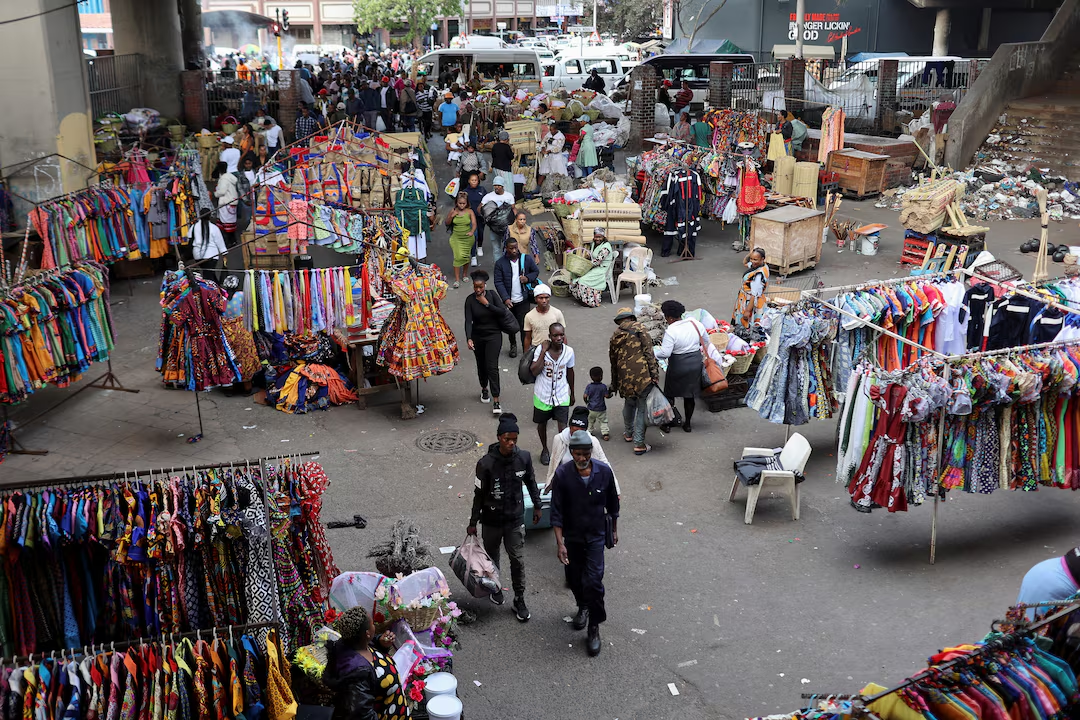
Africa is particularly vulnerable to higher oil prices because most countries on the continent are net energy importers. Rising crude prices are increasing fuel import bills, weakening currencies and placing renewed pressure on public finances across sub-Saharan Africa, where many governments are already managing elevated debt levels. Higher energy costs also risk reversing recent progress on inflation, as rising transport and fuel costs feed through into food prices and broader consumer inflation.
Analysis from Zero Carbon Analytics identifies countries such as Senegal, Benin, Eritrea, Burkina Faso and Zambia among those most exposed to the shock, based on oil import dependence, pressure on foreign-exchange reserves and the share of GDP absorbed by higher energy costs.
Diverging fortunes across the continent
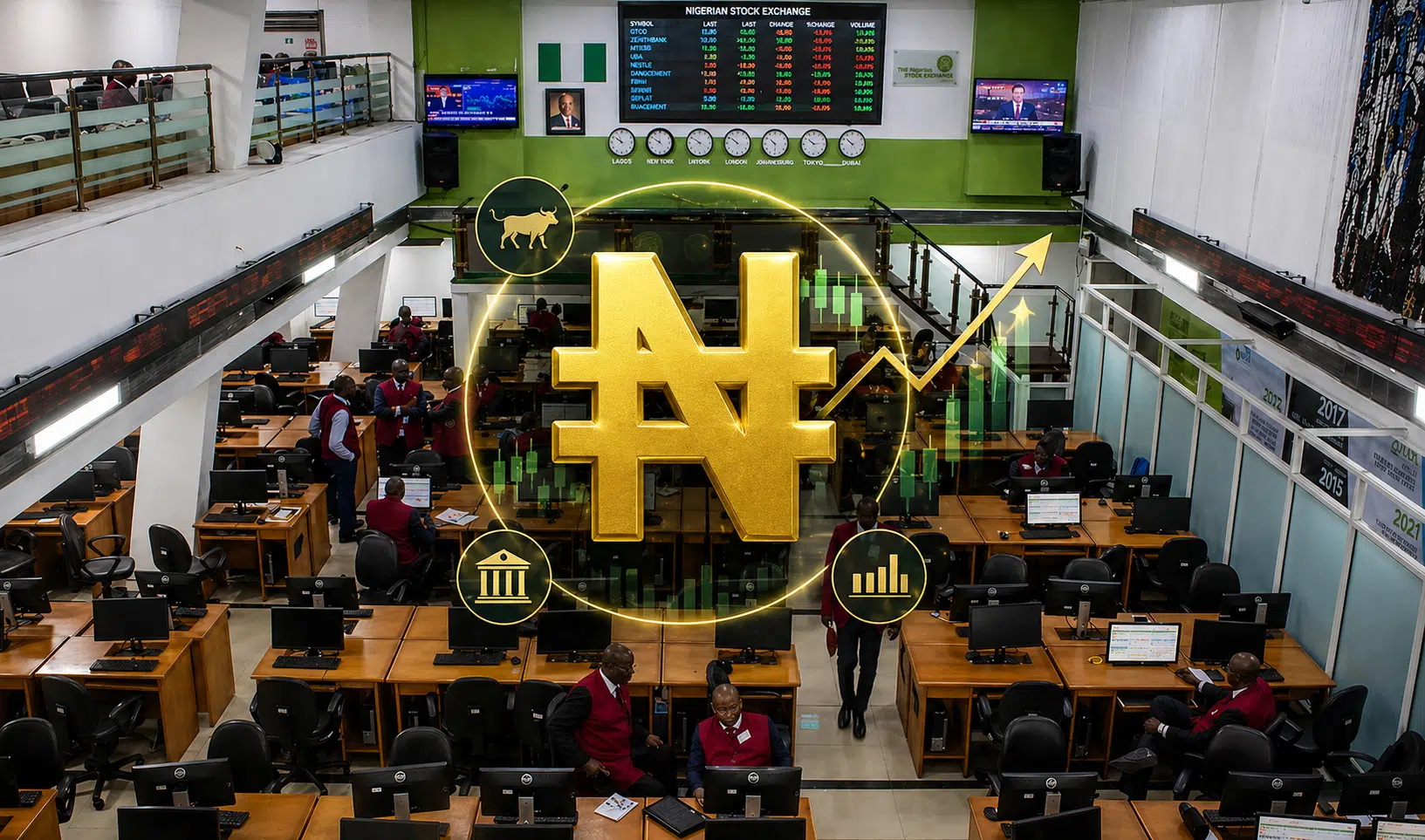
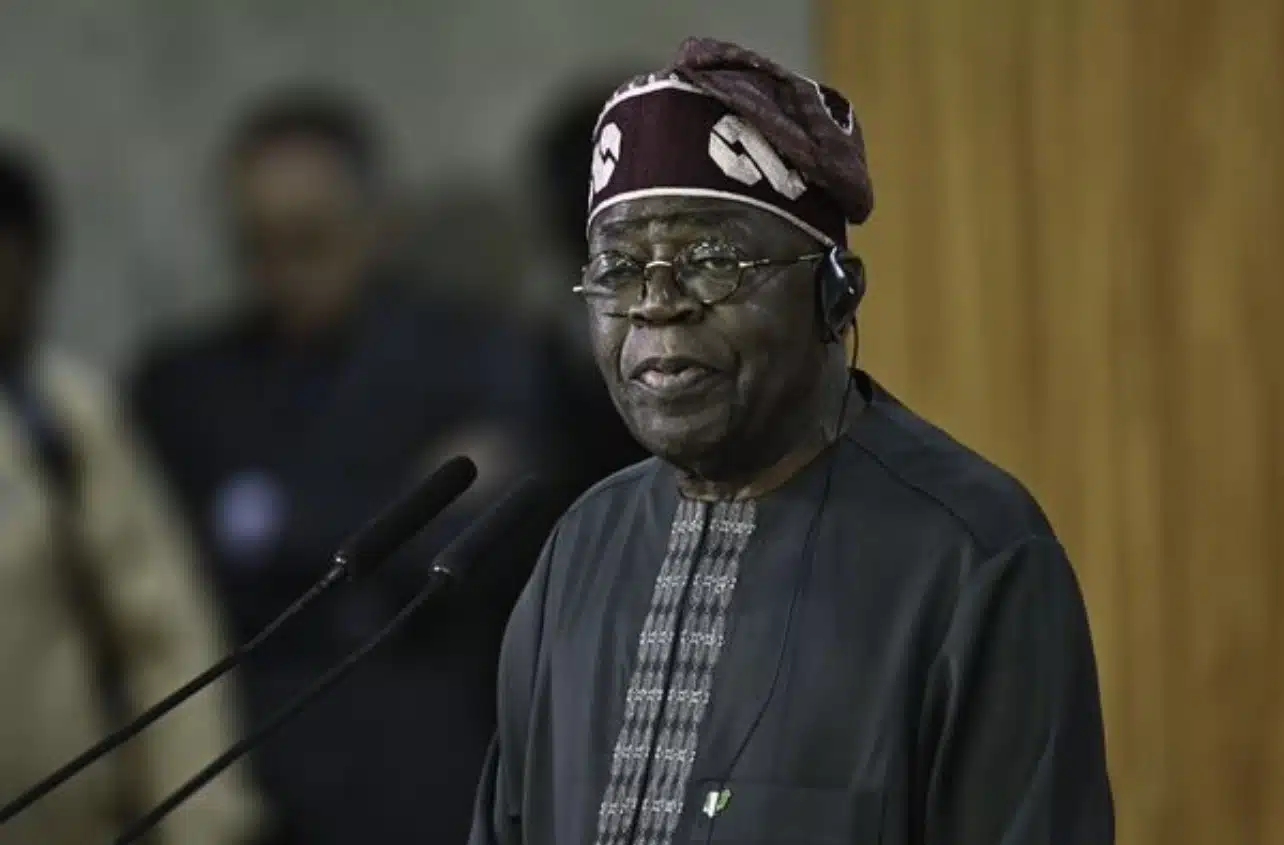
The oil price surge creates sharply different outcomes for African economies. Major exporters including Nigeria and Angola stand to benefit from higher crude revenues, which could improve fiscal balances and strengthen external reserves. Nigeria’s Eurobond yields have shown pockets of resilience, reflecting expectations that higher oil prices could support government finances despite broader global market volatility.
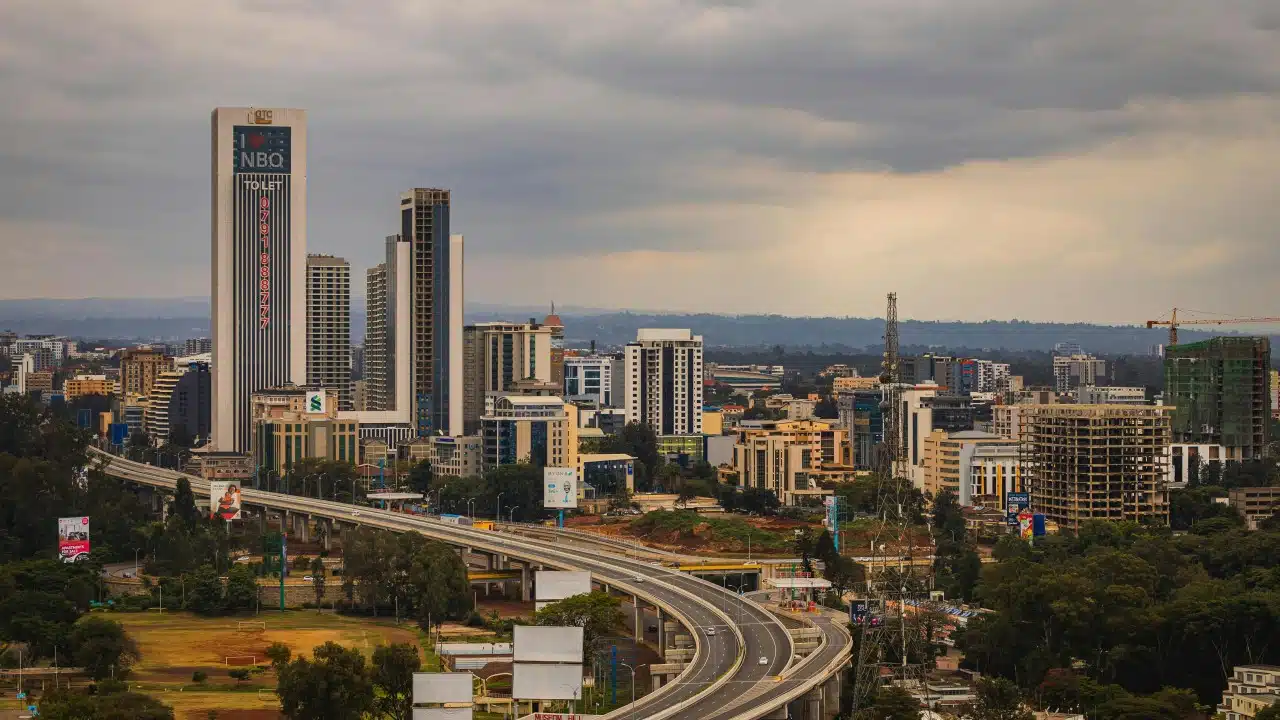
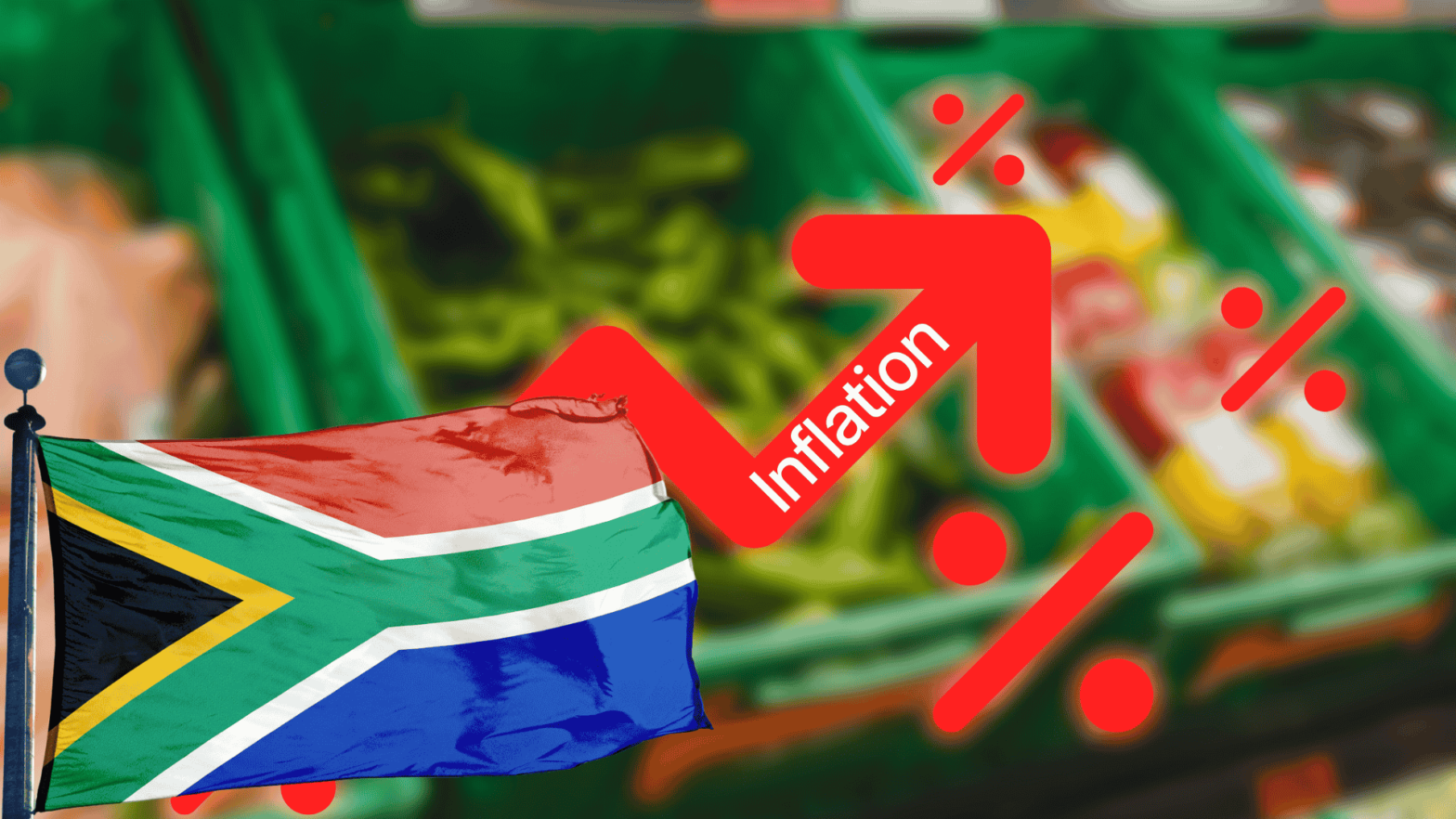
For most African economies, however, the outlook is more difficult. Import-dependent countries such as Kenya, Uganda, South Africa, Egypt and Tunisia face rising current-account deficits, imported inflation and pressure on exchange rates. In South Africa, analysts warn that sustained oil prices near $100 per barrel combined with rand weakness could push headline inflation higher through rising fuel and food costs.
Bond markets tighten financing conditions
The oil shock has also reversed momentum in global bond markets.
Sub-Saharan African sovereigns had raised a record $5.95 billion in Eurobonds by early March 2026, led by Kenya’s $2.25 billion dual-tranche issuance, marking the strongest start to the year for African debt markets since 2013.
However, rising global yields are now narrowing that financing window.
South Africa’s 10-year government bond yield has increased sharply, rising by roughly 70–90 basis points in some estimates since the conflict escalated, as markets price in tighter monetary policy to counter oil-driven inflation.
With several African countries facing significant Eurobond maturities in the coming years, higher global interest rates risk increasing debt-servicing costs across the region.
Policy responses under strain
Governments are considering measures such as fuel subsidies, price caps and rationing, although limited fiscal space may constrain their effectiveness.
The International Monetary Fund (IMF) has warned that oil-importing low-income countries face heightened risks if energy prices remain elevated for a prolonged period.
Outlook
The current episode highlights the continent’s continued exposure to external energy shocks.
While oil exporters may benefit from short-term revenue gains, most African economies face the prospect of higher inflation, tighter financing conditions and slower growth if oil prices remain elevated.
Markets remain highly volatile. A rapid easing of geopolitical tensions could stabilise energy prices, but continued disruption would prolong pressure on African economies already navigating fragile fiscal and financial conditions.