
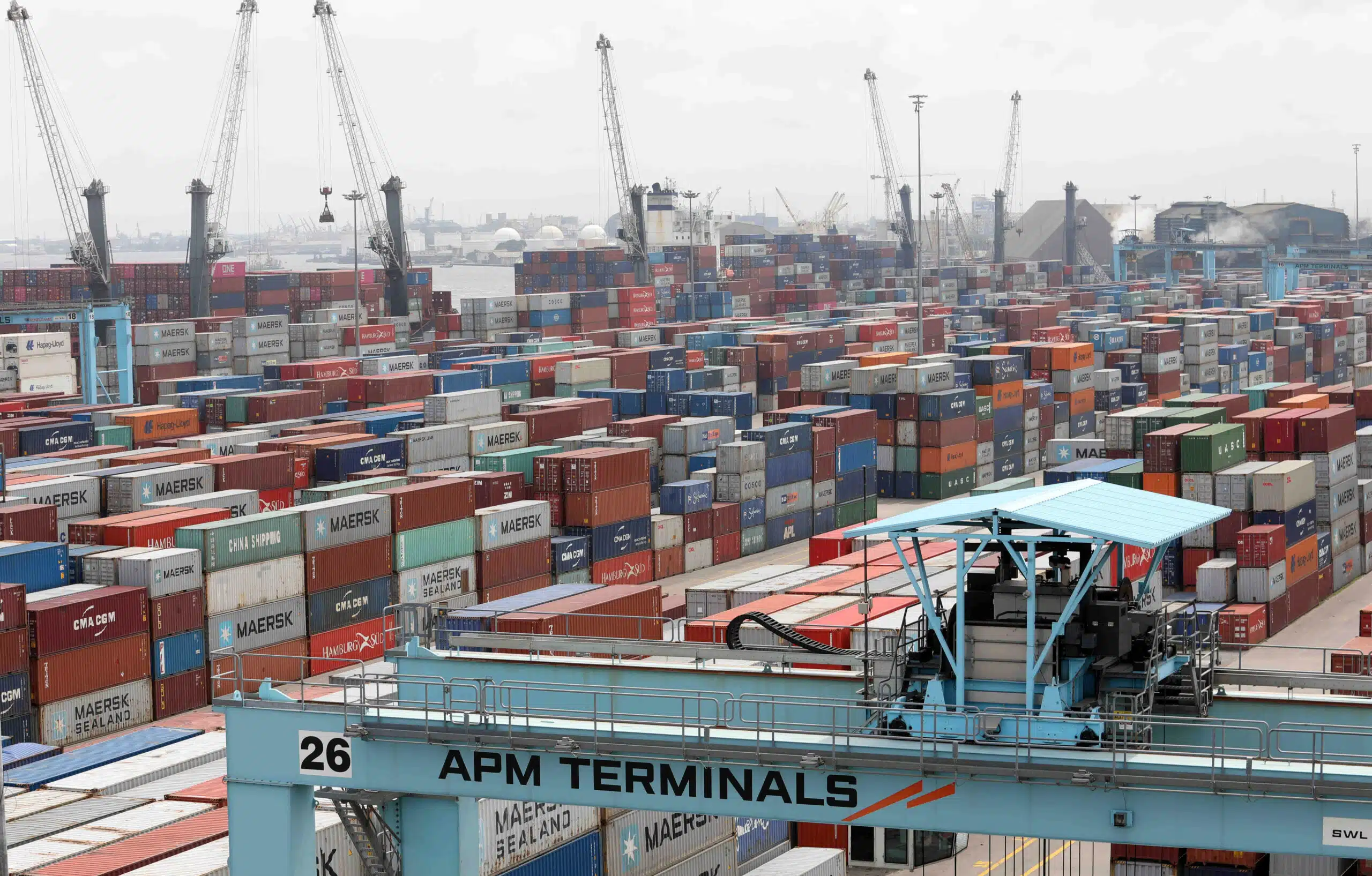


Nigeria is committing nearly $1 billion to overhaul its busiest seaports, betting that modern infrastructure and faster cargo clearance can reverse years of costly inefficiencies that have weighed on trade and economic growth.
Under a 746 million pound ($990.3 million) export finance agreement announced on Thursday, the United Kingdom (UK) will support the redevelopment of the Lagos Port Complex (Apapa) and Tin Can Island Port — two gateways that handle the bulk of Nigeria’s maritime trade. The facility, backed by UK Export Finance and arranged by Citibank, is designed to modernise operations, expand capacity and digitise processes that remain heavily manual.
“The modernisation and upgrading of Nigeria’s ports represents a major step forward for the country,” Nigeria’s Minister of Marine and Blue Economy, Adegboyega Oyetola, said in a statement after the announcement. “Through strategic partnerships such as this with the United Kingdom, we are laying the foundation for a new era of efficiency, transparency and competitiveness in Nigeria’s port system.”
The deal directly targets structural bottlenecks that have long plagued critical trade ports in Africa’s most populous nation.
According to the African Centre for Supply Chain, the country loses an estimated $14.2 billion annually to inefficiencies at key seaports, driven by congestion, outdated infrastructure and bureaucratic delays. These constraints have made Nigerian ports among the most expensive in West Africa, raising costs for importers and exporters while eroding competitiveness.
Fixing a costly trade bottleneck
Despite handling more than 80% of Nigeria’s international trade, the maritime sector has struggled to keep pace with rising cargo volumes. Vessel turnaround times remain slow, while cargo dwell times — the period goods spend at ports before clearance — are significantly longer than global benchmarks.
The planned upgrades aim to address these gaps through a combination of physical expansion and operational reform. Automated systems are expected to replace paper-based processes, while improved cargo handling infrastructure should ease congestion that has historically led to long queues of vessels and trucks.
For businesses, the impact could be immediate. Faster clearance times would reduce demurrage charges — fees incurred when cargo is delayed — and lower overall logistics costs. Improved predictability in cargo movement could also strengthen supply chains, particularly for manufacturers reliant on imported inputs.
“Turnaround times for vessels and cargo dwell times within the ports are projected to fall sharply as automated processes replace paperwork-heavy procedures,” Oyetola said. “The modernised infrastructure will enable faster clearance of imports and exports and significantly improve the predictability of cargo movement.”
For the government, the stakes are equally high. More efficient ports are expected to boost customs revenue collection by reducing leakages and improving compliance, while supporting broader efforts to diversify the economy through trade.
Financing structure and foreign participation
The financing will be delivered through UK Export Finance’s buyer credit facility, with Citibank coordinating the loan. The arrangement reflects a model increasingly used by emerging markets, where export credit agencies provide guarantees that lower financing costs while tying funding to procurement from the lending country.
In this case, at least 236 million pounds ($313.3 million) of the total deal will flow back to British firms through supply contracts, including a 70 million pound ($92.9 million) order for steel products. The structure underscores the dual objective of such agreements — supporting infrastructure development in the recipient country while advancing industrial and export interests at home.
“Hot on the heels of our landmark Steel Strategy, this is a major win for British Steel made possible by UK Export Finance,” UK Business and Trade Secretary Peter Kyle said in a statement issued on Thursday. “This contract will reinforce British industry while supporting jobs and growth.”
For Nigeria, access to this form of financing provides an alternative to more expensive commercial borrowing, particularly at a time when investor appetite for emerging market debt remains strained.
Trade ambitions meet global uncertainty
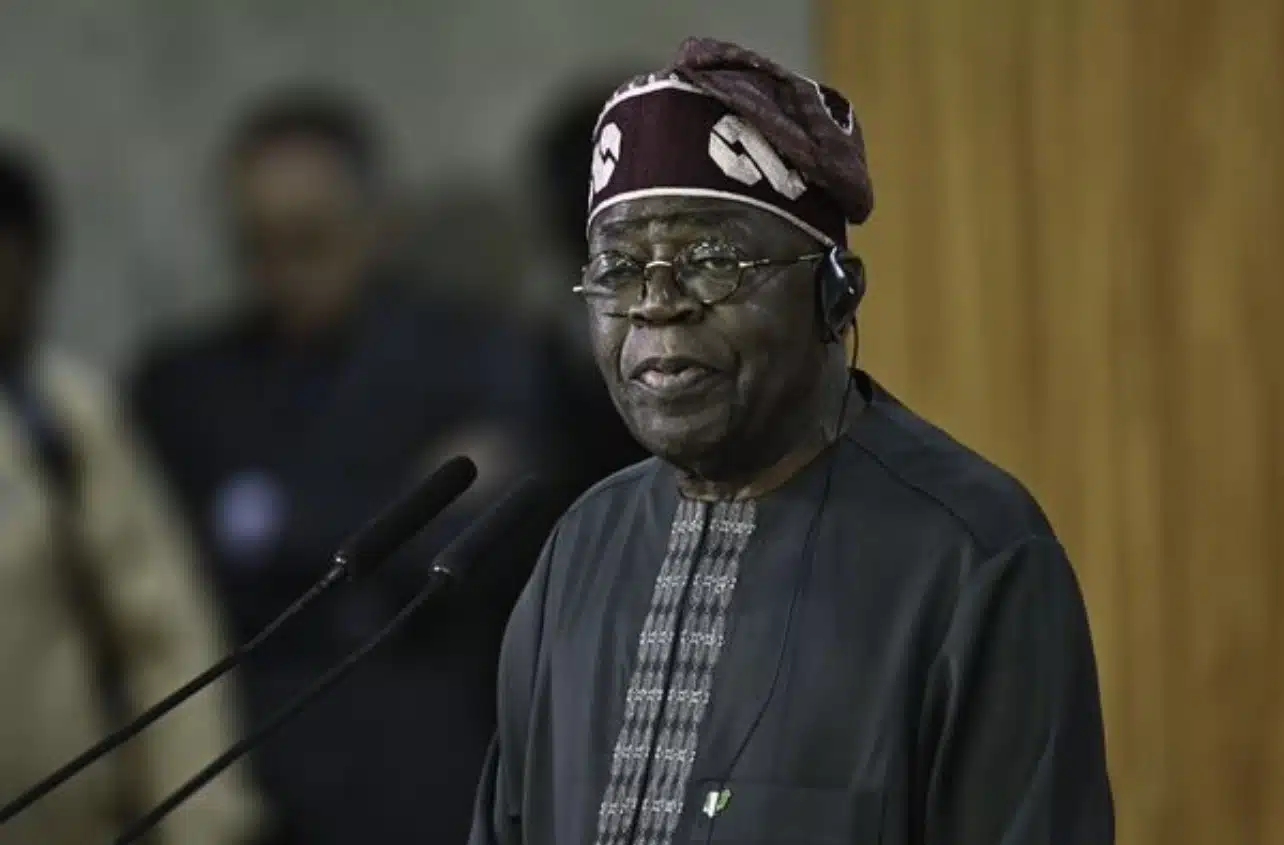
The agreement comes during President Bola Tinubu’s landmark visit to the UK, underscoring efforts by both countries to deepen commercial ties as bilateral trade between the two countries hit a record £8.1 billion ($10.7 billion) annually
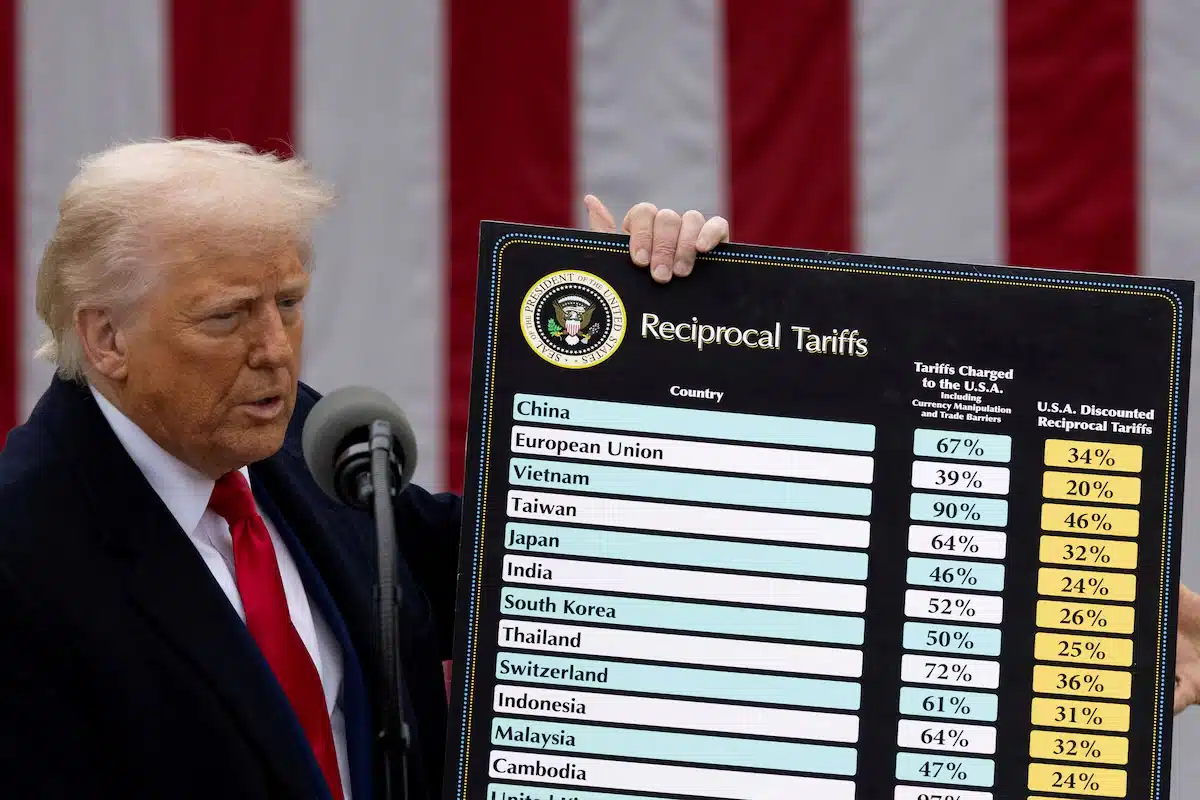
At the same time, the deal lands against a backdrop of heightened volatility in global trade. A wave of tariff actions and policy shifts in the United States has created uncertainty for trading partners, complicating long-term planning and dampening confidence in cross-border investment.
Within this context, Nigeria’s push to modernise its ports reflects a broader effort to strengthen trade resilience. Efficient port infrastructure is critical not only for reducing costs but also for positioning the country as a regional logistics hub in West Africa.
A test of execution
While the financing marks a significant step, the success of the project will ultimately depend on execution. Previous attempts to reform Nigeria’s ports have faced delays, coordination challenges and resistance to change, particularly in areas involving regulatory processes and entrenched interests.
Delivering the expected gains will require not only completing physical upgrades but also ensuring that digital systems are fully implemented and that agencies operating at the ports adopt more streamlined procedures.
If successfully executed, the reforms could reshape Nigeria’s trade landscape — lowering costs, improving efficiency and unlocking new economic opportunities. But if bottlenecks persist, the risk is that even a $990 million investment may fall short of delivering the transformational impact policymakers are targeting.
For now, the deal represents a clear signal of intent: Nigeria is willing to invest heavily to fix one of its most persistent economic constraints. Whether that bet delivers will depend on how effectively the country translates financing into faster, more efficient port operations.
NB: $1 = £0.7533 as of March 19 , 2026