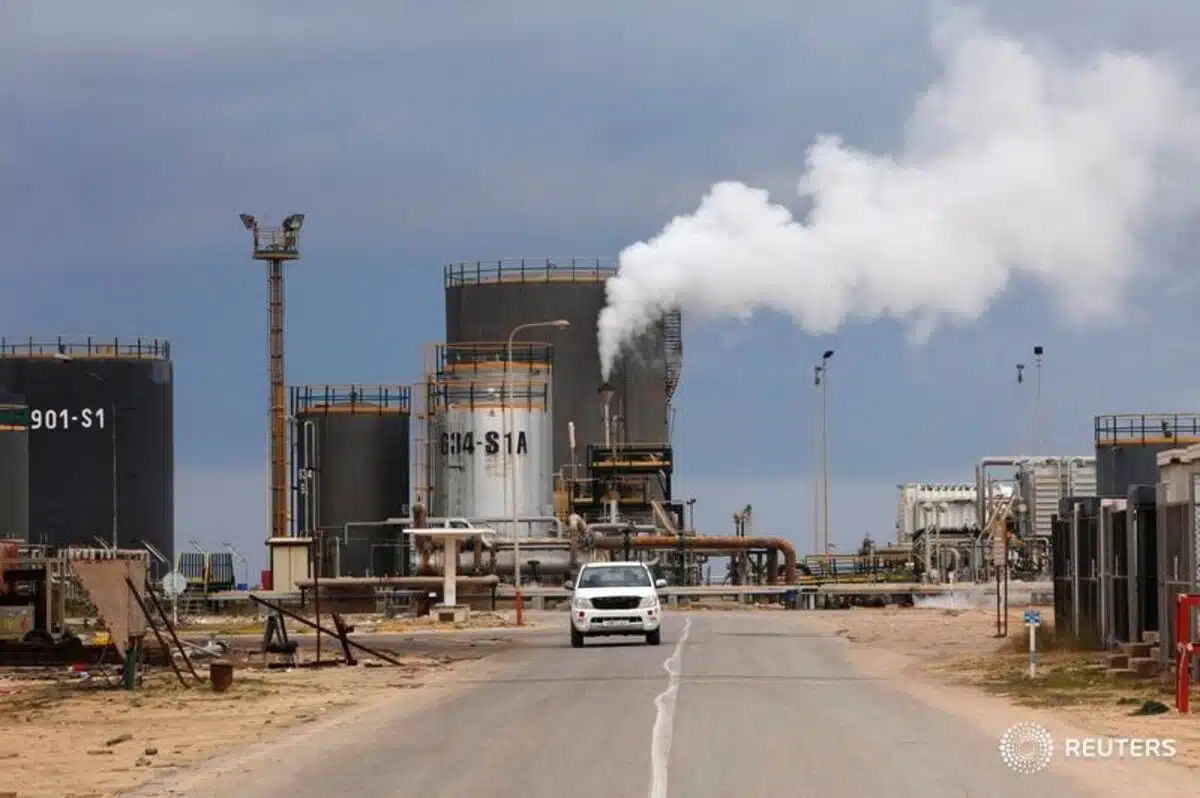




Nigeria has lifted a key restriction on oil export earnings, allowing international oil companies (IOCs) to repatriate proceeds in full, as the central bank accelerates efforts to ease controls in the foreign exchange market.
In a circular dated March 25, the Central Bank of Nigeria (CBN) said it had removed its “cash pooling” requirement, which previously restricted the immediate transfer of export proceeds and required a portion to be held domestically for up to 90 days.
The directive, signed by Musa Nakorji, Director of the Trade and Exchange Department, takes immediate effect and applies to all authorised dealer banks.
“IOCs are hereby granted unfettered access to their repatriated export proceeds,” the CBN said in the circular, adding that authorised dealer banks must ensure proper documentation and submit monthly reports.
The provision supersedes all previous directives on cash pooling, effectively dismantling one of the more restrictive controls applied to the oil sector.
Shift from crisis controls
The cash pooling rule was introduced in February 2024, when acute dollar shortages and exchange rate pressures forced policymakers to tighten oversight of foreign currency flows. By limiting immediate repatriation to 50%, the central bank sought to retain liquidity within the domestic system and stabilise the naira.
Its removal signals a shift away from those emergency measures as conditions in the FX market begin to stabilise.
The CBN said the latest move is part of efforts to “further liberalise and deepen the market in line with current market realities,” reflecting a broader recalibration of exchange rate policy.
Earnings circulate faster
While the policy does not increase the volume of dollar inflows, it is expected to improve how quickly those funds circulate within the financial system.
By eliminating the holding period, the apex bank reduces delays that previously constrained the availability of foreign exchange, particularly for transactions linked to the oil sector, which remains Nigeria’s primary source of hard currency.
The change also restores flexibility for oil companies in managing export revenues, removing a layer of administrative friction that had complicated cash flow planning.
Reform direction becomes clearer
The rollback adds to a series of measures introduced over the past year to rebuild confidence in Nigeria’s FX framework. These include loosening exchange rate controls, allowing greater price discovery in the interbank market and tightening monetary policy to attract foreign capital.
Taken together, the steps point to a steady shift towards a more market-oriented system, where administrative restrictions play a smaller role in determining the movement of foreign currency.
For investors, the emphasis on convertibility and fewer controls is a key signal. While challenges around supply persist, the direction of policy suggests a continued effort to align the FX market more closely with underlying flows—particularly those tied to oil exports.