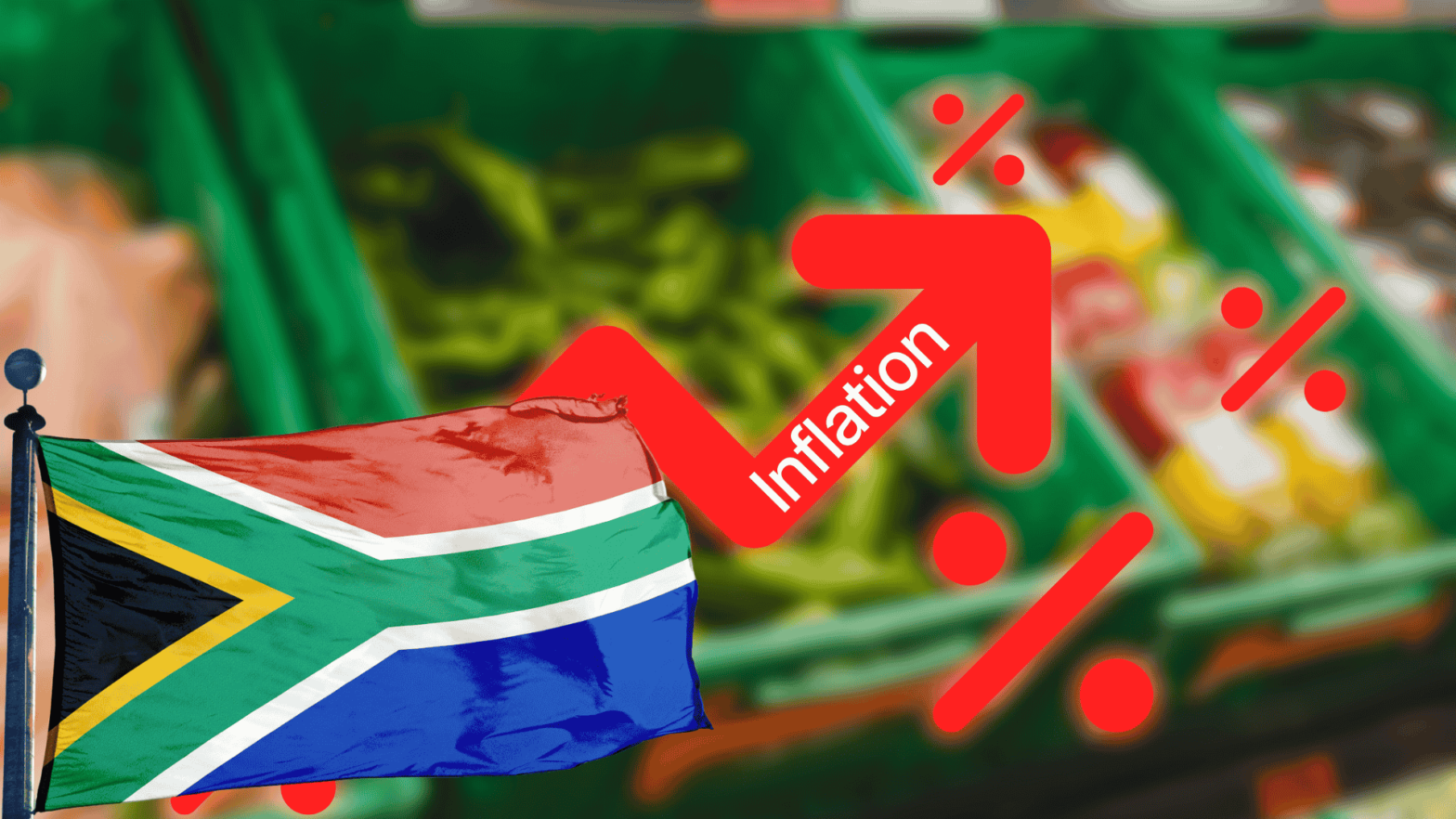



Credit ratings agency S&P Global Ratings on Friday cut Senegal’s local currency sovereign rating to CCC+/C from B-/B, deepening the country’s position in junk territory. The move highlights acute refinancing risks as the government relies more heavily on short-maturity domestic and regional debt amid stalled talks on a new International Monetary Fund (IMF) programme.
The downgrade, announced on March 28, 2026, follows earlier cuts to Senegal’s foreign currency rating in November 2025. It reflects the fallout from unreported debts totalling around $13 billion from the previous administration, which surfaced in late 2024 and froze IMF funding since October 2024. Without concessional financing, Dakar has turned to pricier short-term borrowing in the West African Economic and Monetary Union (WAEMU) markets.
Gross financing needs hit 26% of gdp in 2026 as interest eats 25% of revenue
Numbers paint a stark picture of fiscal strain. Senegal’s gross financing needs for 2026 are now estimated at 26% of GDP, up sharply because of the shift away from longer-term, lower-cost international support. Interest payments alone are projected to consume 25% of government revenue this year, leaving limited room for essential spending.
Public debt has ballooned to between 119% and 132% of GDP, depending on estimates, after the revelation of hidden liabilities equivalent to roughly 25% of economic output. External debt service obligations remain elevated, with analysts noting roughly $4.6 billion due in 2026, including commercial maturities that are harder to roll over at sustainable rates.
Middle East conflicts have added indirect pressure through higher global borrowing costs and energy market volatility, complicating Senegal’s position as it navigates the CFA franc peg within the WAEMU framework.
Downgrade raises default risks and threatens economic stability
The deeper junk status signals heightened default risks to investors and creditors. It makes future borrowing even more expensive and restricts access to international capital markets, forcing greater dependence on regional lenders. This could trigger a vicious cycle: higher interest rates crowd out productive investment, while any further delays in IMF talks prolong uncertainty.
For Senegal’s economy, the implications are significant. Growth, once buoyed by offshore oil and gas discoveries, now faces headwinds from reduced fiscal space. Infrastructure projects, key to job creation and diversification beyond agriculture and fisheries, risk delays or cancellation. Austerity measures are already visible, including the recent closure of 19 government agencies to curb spending and address the debt overhang.
Businesses face higher costs, fewer contracts and rising uncertainty
Senegalese businesses are feeling the pinch directly. Domestic borrowing rates have climbed as the government competes for funds in regional markets, raising financing costs for private sector loans. Reduced public spending means fewer government contracts in construction, energy and services; sectors that have driven recent expansion.
Foreign direct investment, critical for hydrocarbon development and manufacturing, could slow as investors weigh default risks and policy volatility. Currency stability under the WAEMU peg offers some protection, but imported inflation from global shocks could still erode margins for importers and exporters.
Local firms may also contend with potential tax hikes or subsidy cuts as the government scrambles to meet debt obligations. In a country where small and medium enterprises form the backbone of employment, this environment risks stifling entrepreneurship and exacerbating youth unemployment, a factor that has historically fuelled social tensions.
Outlook hinges on imf progress and debt management
Without a breakthrough in IMF negotiations, Senegal’s 2026 budget will remain under intense pressure. The government has pledged to honour its debts and pursue dialogue, but analysts warn that prolonged reliance on short-term paper only postpones deeper restructuring needs.
For global investors and businesses eyeing West Africa, the downgrade underscores Senegal’s transition from a promising frontier market to one grappling with classic debt-trap dynamics. Resolution will require not just fiscal discipline but credible reforms to restore market confidence and unlock sustainable growth. Until then, the numbers suggest tighter budgets, slower expansion and heightened risks across the economy.