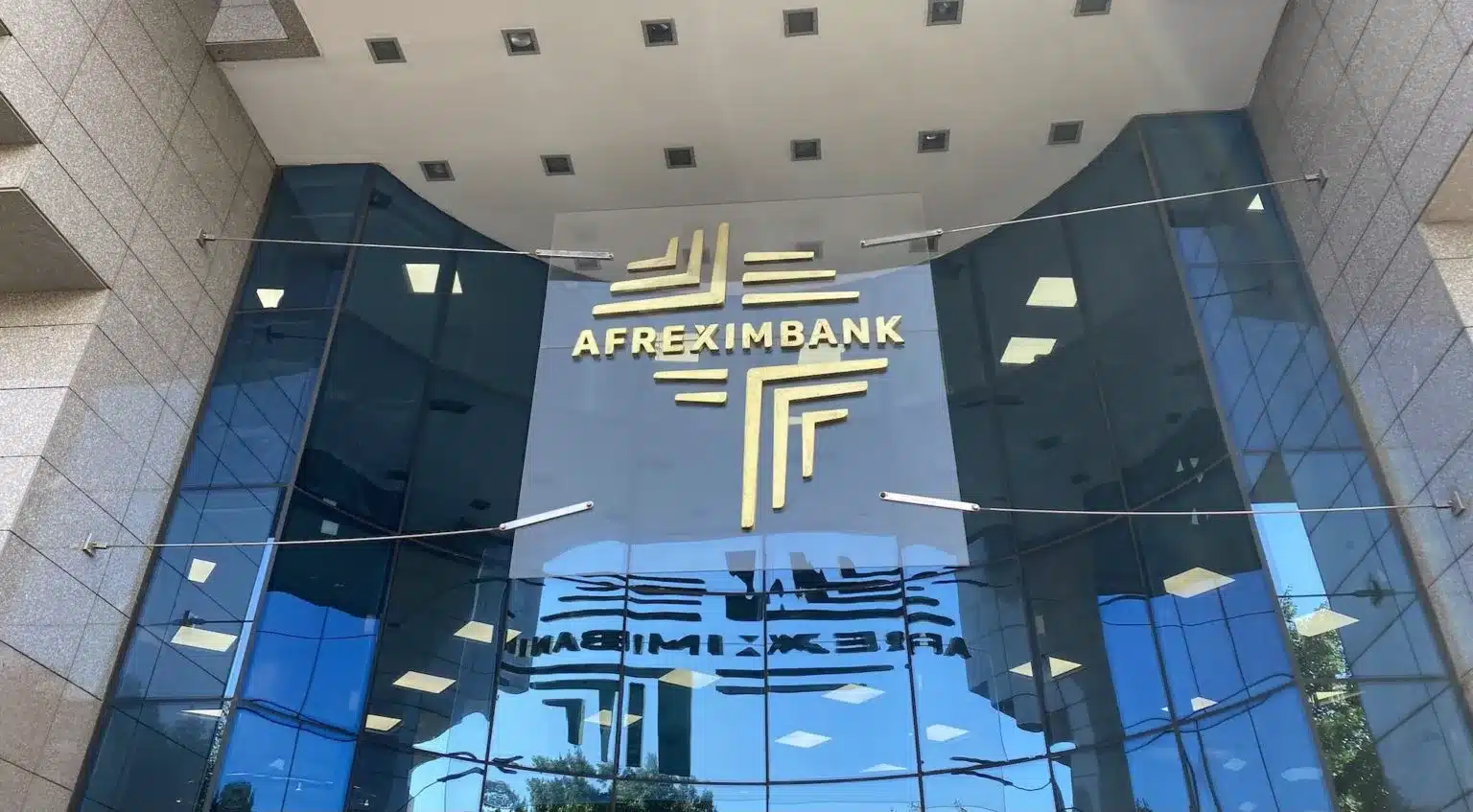

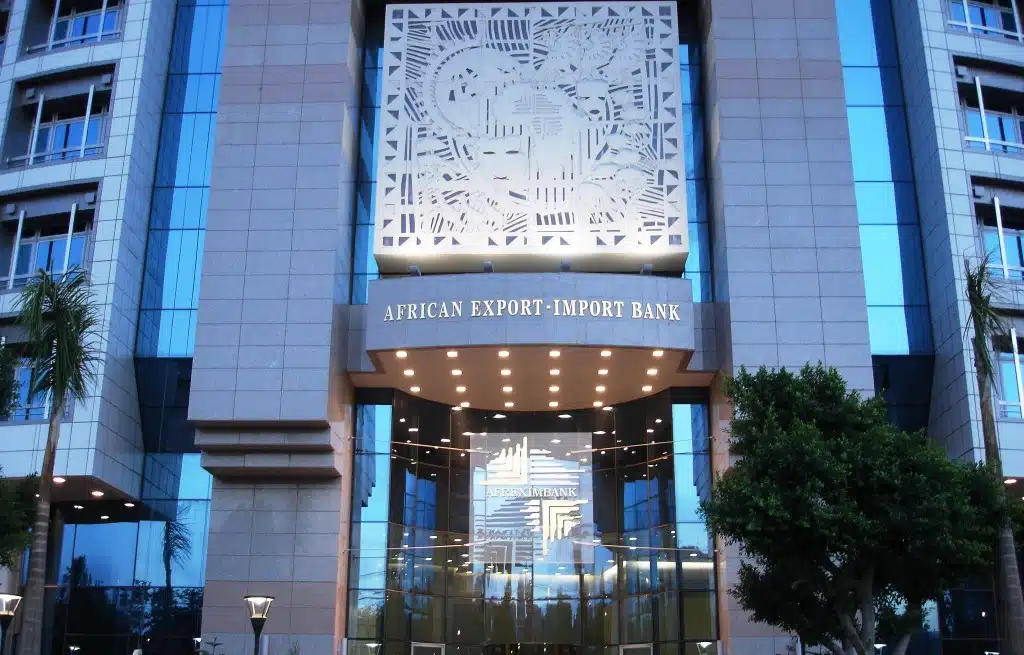


Cairo-based African Export-Import Bank (Afreximbank) closed its largest-ever syndicated borrowing on 9 March 2026, raising exactly $2 billion equivalent through a three-year dual-tranche term loan facility. The transaction comprised a $1.73 billion US dollar tranche and a €228 million euro tranche.
Launched at a $1.5 billion target, it attracted $2.36 billion in commitments from 31 lenders, delivering a 1.57 times oversubscription before participations were scaled back. Mashreqbank PSC, MUFG Bank and Standard Chartered Bank acted as joint global coordinators, initial mandated lead arrangers and bookrunners, with Standard Chartered also serving as documentation and facility agent.
Proceeds will refinance existing facilities and fund general corporate purposes. The bank, which reported $42.9 billion in total assets and $7.7 billion in equity as of September 2025, will use the liquidity to sustain its core trade-finance mandate without immediate pressure on its $7.6 billion cash position or 2.51 per cent non-performing loan ratio.
Facility draws strong global demand despite recent rating friction
The geographic spread of lenders, from Europe, the Middle East, Asia and Africa demonstrates broad-based commercial confidence. Yet the timing is notable. In January 2026 Afreximbank terminated its relationship with Fitch Ratings after the agency downgraded the bank to BB+ (speculative grade) and withdrew coverage, citing elevated credit risk, weak risk management and potential losses on sovereign exposures.
Fitch’s concerns stemmed directly from Afreximbank’s $750 million loan to Ghana, which the bank ultimately settled in December 2025 by absorbing losses rather than enforcing its claimed preferred creditor status. A similar standoff with Zambia persists, with arbitration proceedings underway.
This $2 billion success therefore, presents a mixed signal. Syndicated lenders, whose exposure remains modest relative to the bank’s balance sheet, continue to back Afreximbank’s treaty-backed mandate and track record. Moody’s still rates the institution Baa2, while Asian agencies assign higher marks.
But the Fitch episode and Ghana precedent have already pushed yields on the bank’s 3.798 per cent 2031 bonds to 6.3 per cent following the downgrade. No pricing details were released for the new facility, yet the scale of oversubscription implies terms that remain competitive even after the rating friction.
Proceeds reinforce trade finance push as Africa grapples with debt overhang
Afreximbank disbursed $17.5 billion in trade finance in 2024 and has set an internal target of $40 billion annually by 2026. The fresh capital directly supports that ambition by replenishing its lending capacity at a time when many African sovereigns and corporates face elevated funding costs and protracted debt restructurings.
Under the African Continental Free Trade Area, intra-regional commerce is expanding, yet the continent’s trade-finance gap remains in the tens of billions of dollars. By locking in three-year funding now, the bank gains flexibility to intermediate flows without disruption.
Market access signals resilience yet highlights long-term risks
Critically, the deal does not resolve structural vulnerabilities. Afreximbank’s loan book exceeds 430 per cent of equity when including guarantees and undisbursed commitments, with heavy concentration in a handful of markets including Nigeria, Egypt, Zimbabwe, Tunisia and Angola.
If preferred creditor status continues to erode in future sovereign stress episodes, borrowing costs could rise by 150-300 basis points, according to market estimates, crimping net interest margins and limiting the bank’s ability to lend on concessional terms.
For international investors, the transaction underscores that demand for Africa-focused multilateral exposure persists, but it also flags the fragile equilibrium between commercial lender appetite and rating-agency scepticism over governance and sovereign risk management in a high-interest-rate environment.