
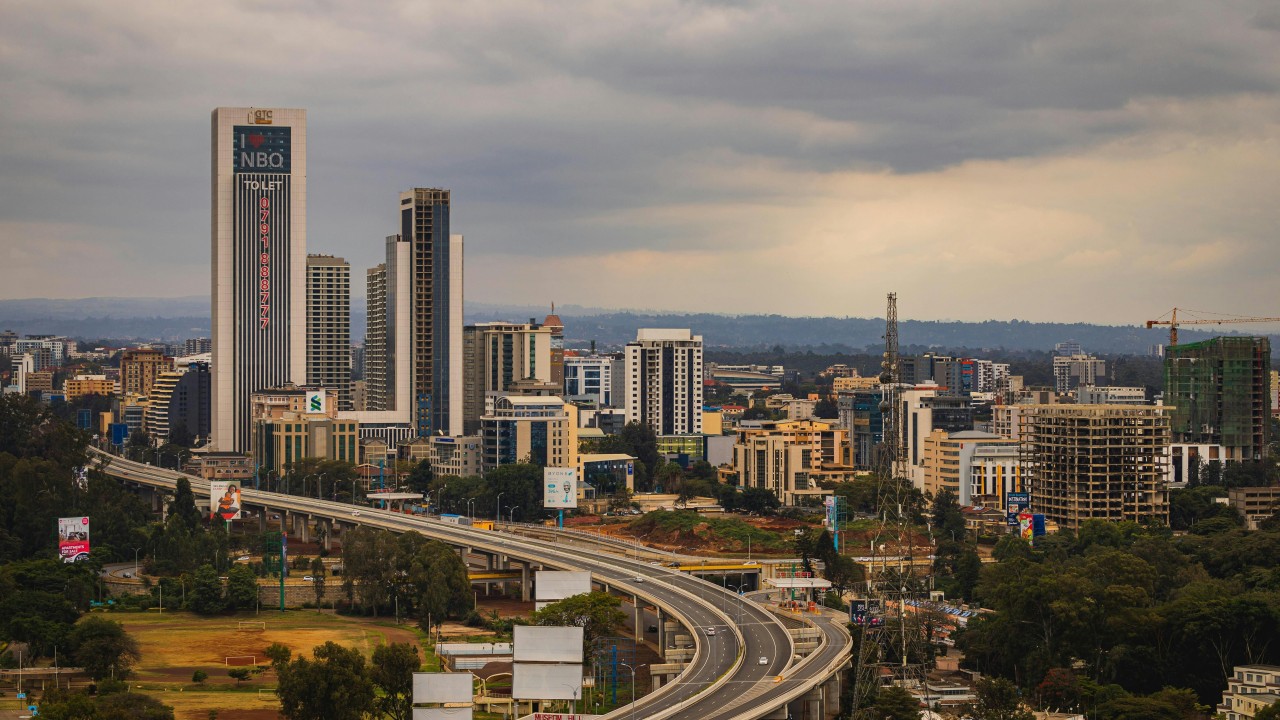


East Africa is set to anchor the continent’s economic expansion in 2026, outpacing every other region as investment flows and a fast-growing services sector accelerate momentum across the bloc.
According to the African Export-Import Bank’s latest Africa Trade and Economic Outlook, the region is projected to expand by 7.52%, the strongest performance on the continent, underpinned by sustained infrastructure spending, “post-shock recovery” and improving productivity in services-led economies.
If actualised, that momentum would mark a notable shift in Africa’s growth story from commodity dependence toward more diversified, domestically driven models.
Rwanda, Ethiopia and Tanzania are expected to lead the charge. Still, the bank cautions that the outlook is not without risks: “growth remains sensitive to exchange-rate pressures, fiscal consolidation efforts, and subsidy reforms, which could moderate outcomes in subsequent years.”
West Africa holds steady while growth slows elsewhere
Meanwhile, West Africa is projected to deliver the second-strongest performance, with economic expansion averaging 5.47% in 2026, driven by a mix of macroeconomic stabilisation and resilient domestic demand.
Nigeria, the region’s largest economy, is expected to benefit from a gradual recovery following recent currency and policy adjustments, while Ghana’s fiscal consolidation efforts are beginning to restore confidence after a period of acute stress.
Elsewhere, growth is expected to remain below the continent’s 4.3% average.
North Africa is anticipated to expand by 3.58%, reflecting a modest recovery constrained by tighter global financial conditions and softer external demand. While some economies in the region are stabilising, the pace of expansion remains uneven.
Despite persistent security challenges and governance risks, Central Africa is forecast to grow by 3.36%, supported by oil revenues and selective investment flows.
In Southern Africa, output could average 3.32%, with gains buoyed by sustained improvement in mining activity and easing energy constraints, particularly in South Africa. However, structural bottlenecks and weak private investment continue to cap the region’s upside.
Resource wealth no longer guarantees growth
Beneath the regional picture, a deeper divide is emerging in how growth is generated across Africa.
The Afreximbank report highlights stark differences between oil-exporting, resource-intensive, and non-resource-intensive economies, with the latter emerging as the most resilient.
Oil exporters such as Nigeria, Angola and Algeria are projected to grow at below 3% in 2026, underperforming other country groups despite continued support from hydrocarbon revenues.
While oil income provides short-term fiscal relief, it has proven less effective at driving broad-based economic expansion. Structural rigidities, limited diversification and continued exposure to global energy price swings continue to weigh on these economies.
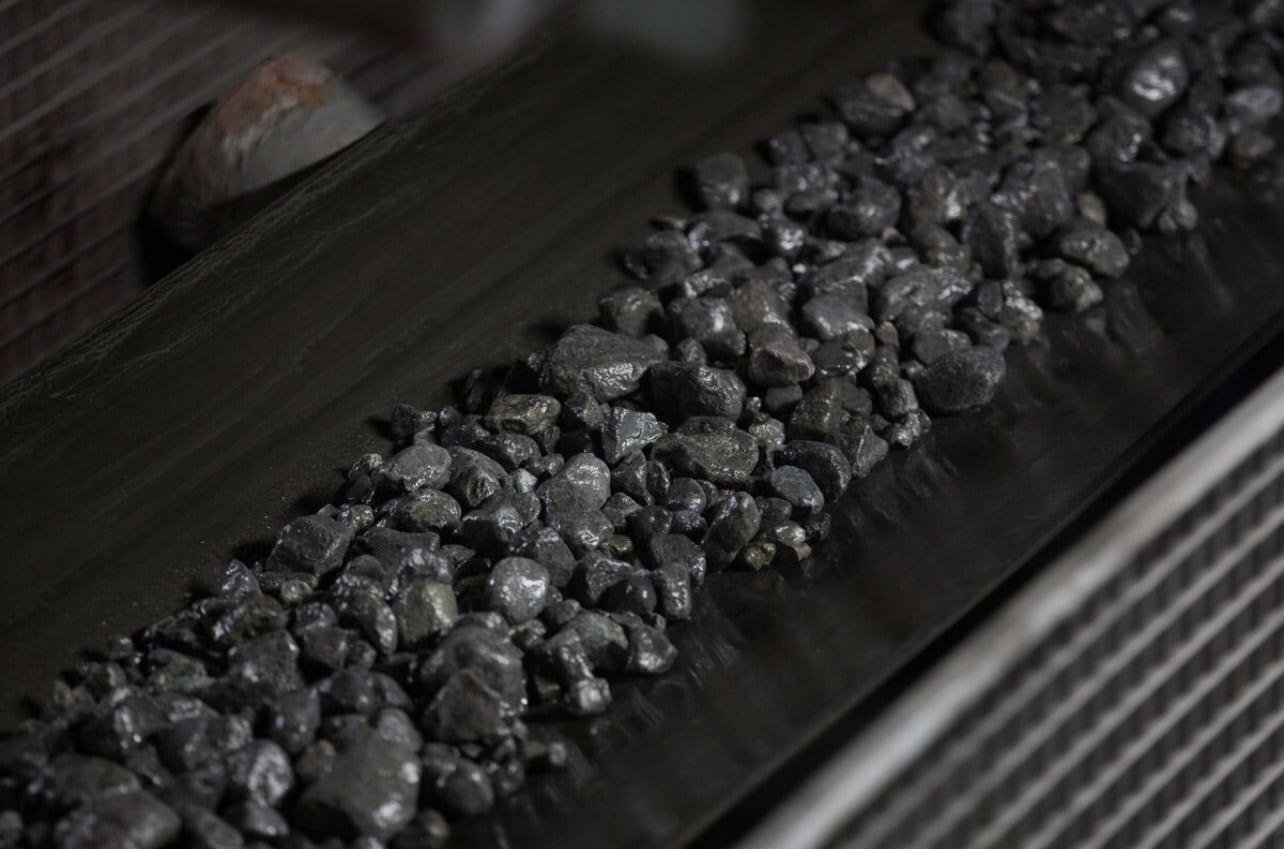
By contrast, other resource-rich economies are expected to post growth above 5%, supported by stronger commodity demand and ongoing investment in mining and agriculture.
These countries are benefiting from improved linkages between extractive industries and domestic activity, alongside gradual gains in infrastructure and value addition, which make growth less narrowly concentrated.
“Although growth in this group remains sensitive to commodity price movements, a broader production base provides a more resilient foundation than in oil-dependent economies,” the Cairo-based bank said.
Still, the strongest outcome is expected from non-resource-intensive economies, such as Rwanda, Kenya and Senegal, where growth is projected to accelerate to around 5.24%.
This performance is underpinned by a diversified production base, expanding services sectors and favourable demographics that help sustain momentum even as global uncertainty rises.
Greater diversification, the report notes, helps “insulate these economies from commodity price volatility and external shocks,” allowing them to maintain more stable growth trajectories.
Commodity volatility and global shocks cloud outlook
Despite the relatively positive outlook, risks to Africa’s growth remain firmly tilted to the downside and increasingly shaped by forces beyond the continent’s control.
Afreximbank points to trade disruptions and commodity price shocks as the primary transmission channels through which global uncertainty affects African economies.
The bank’s African Commodity Price Index remained elevated at 191.1 in the first half of 2025, highlighting persistent volatility even after a modest decline of 1.4% from the previous year. Such fluctuations complicate fiscal planning, weaken currencies and heighten inflationary pressures, particularly in resource-dependent economies.
“Commodity price volatility… has the potential to further destabilise the region,” the report warns, noting its impact on investment flows, government revenues and overall demand conditions.
Beyond these baseline risks, geopolitical tensions are adding a new layer of uncertainty.
The escalating conflict involving the US, Israel and Iran — while not captured in the report’s baseline assumptions — is already threatening to disrupt global trade routes and energy markets. For African economies, the knock-on effects have been significant, ranging from higher import costs to reduced investor appetite for frontier markets.
At a time when many countries are still navigating tight financial conditions and fiscal adjustments, such external shocks could quickly erode expected gains.
A fragmented growth story
Africa’s growth outlook for 2026 ultimately tells a story of divergence — but also of a clear shift.
While the continent is projected to expand by 4.3%, that headline figure masks wide variations driven by policy choices, economic structure and exposure to global shocks.
The outperformance of East Africa and other diversified economies suggests a move toward more sustainable growth models, less reliant on commodities and more anchored in domestic demand and services.
At the same time, the underperformance of oil exporters underscores the urgency of reform in economies still heavily tied to a single resource.