


The IMF’s April 2026 Regional Economic Outlook delivers a stark diagnosis in its dedicated chapter on growth reset. Average labour productivity in sub-Saharan Africa has been essentially unchanged in real terms for nearly three decades, from 1991 to 2024. This stands in sharp contrast to the sustained gains seen in East Asia and the Pacific, South Asia, Latin America, and the MENAP region.
Growth accounting exercises reveal that total factor productivity, which measures how efficiently labour and capital are combined, has contributed only about one-quarter of a percentage point to annual GDP growth over the past 25 years. In resource-intensive economies, this measure has actually turned negative since the end of the commodity super cycle, actively dragging down expansion.
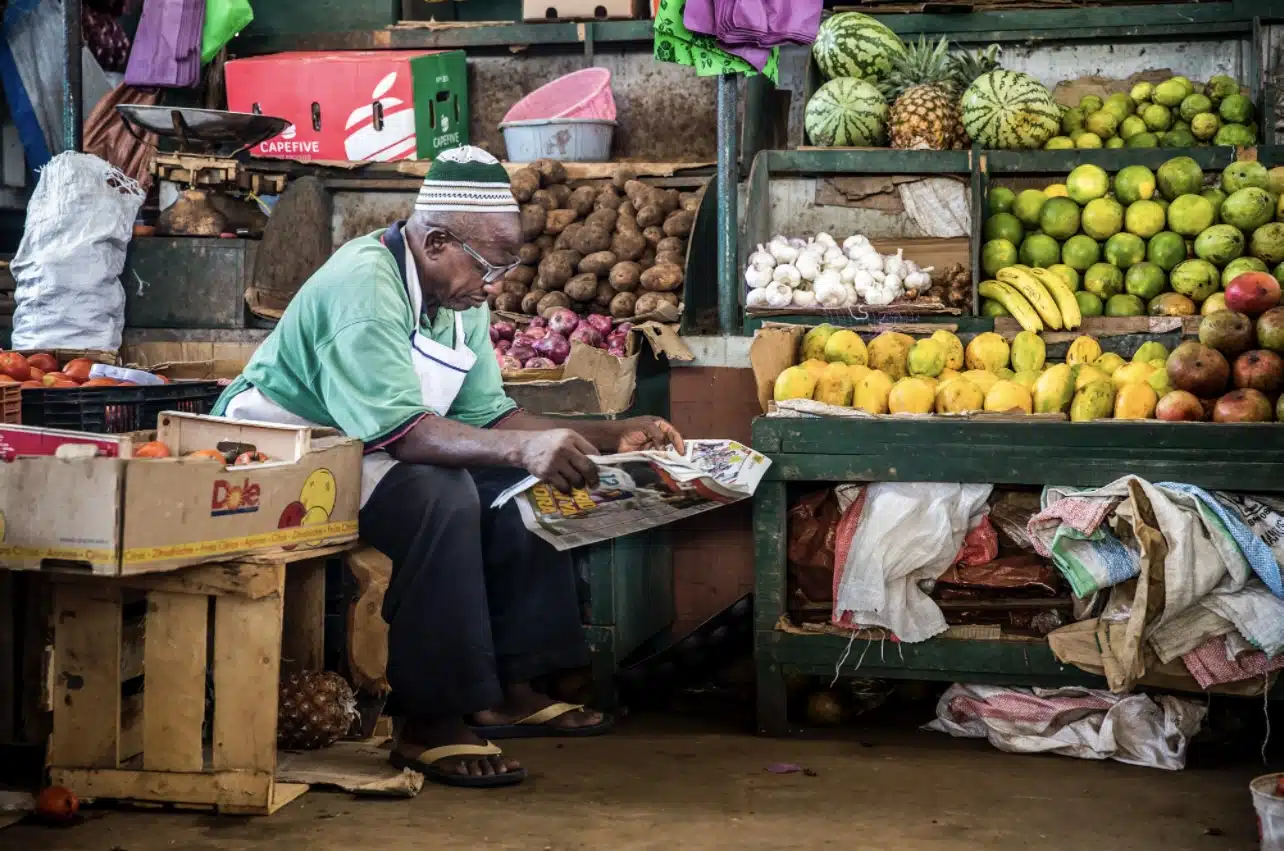
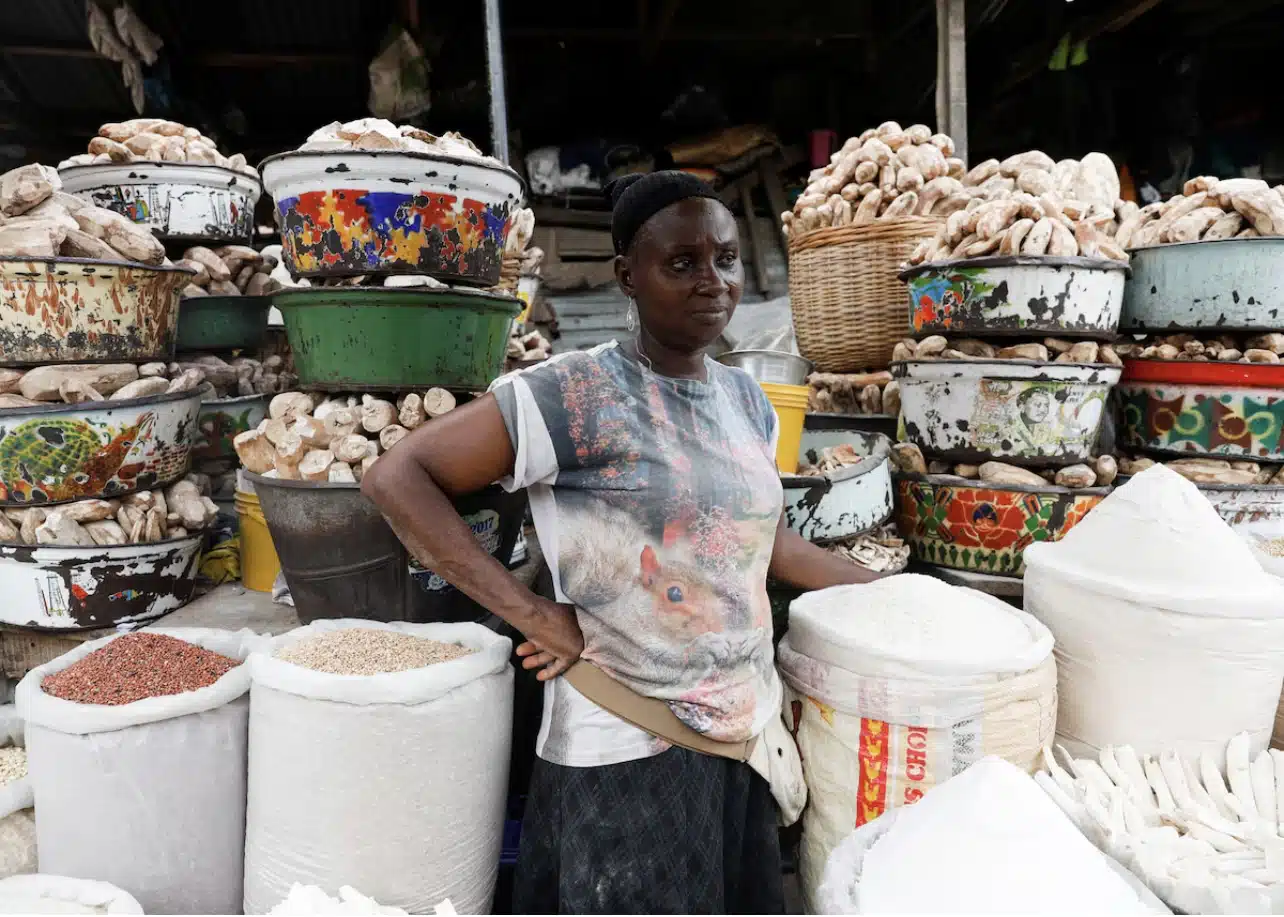
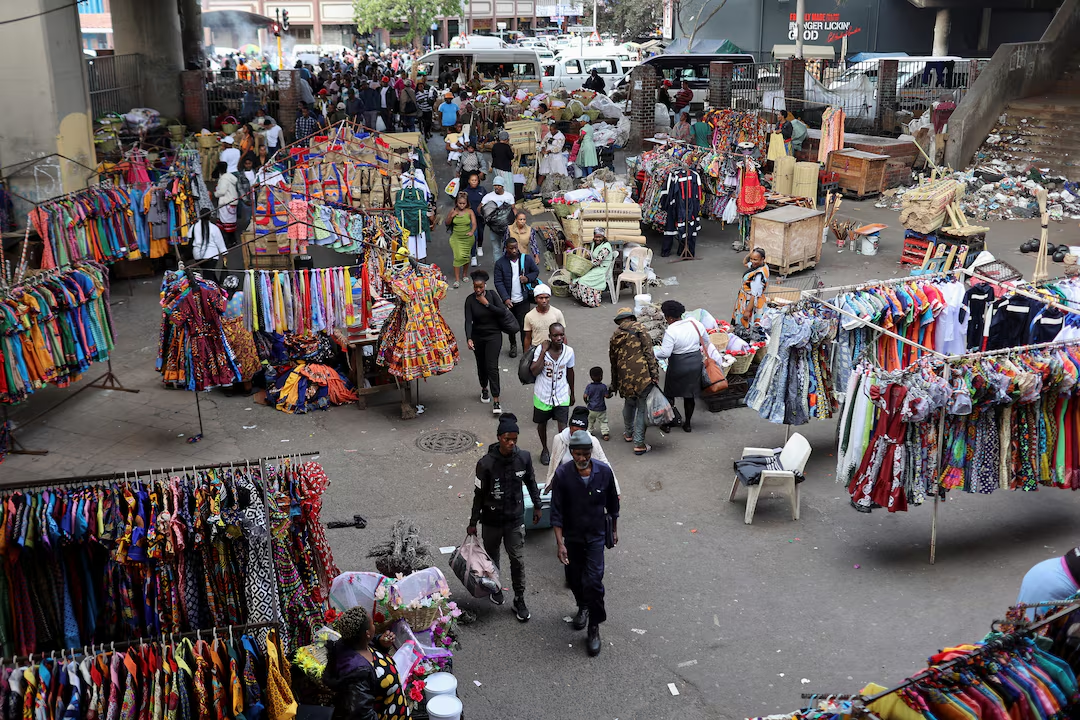
This persistent weakness means the region’s rapid population growth is creating more low-productivity informal jobs rather than scalable businesses that attract serious investment. Public spending and commodity booms have repeatedly failed to draw in lasting private capital or spark meaningful structural change.
As a result, the public sector remains the main growth driver in many countries. State-owned enterprises, which account for 30 to 50 per cent of GDP in many sampled nations, are frequently unprofitable. They generate fiscal costs of around 1 per cent of GDP each year, mainly through below-cost tariffs in power and transport. These inefficiencies raise costs across the economy and hold back overall productivity.
Near-term growth moderates as external shocks compound structural weaknesses
Regional GDP growth is expected to ease from an estimated 4.5 per cent in 2025, the strongest performance in a decade, to 4.3 per cent in 2026. The modest downgrade comes from spillovers of the Middle East conflict, including higher fuel, fertiliser, and shipping costs. These pressures are pushing median inflation toward 5 per cent and squeezing already limited fiscal space, particularly in low-income and fragile states.
Performance across countries varies widely. Reformers such as Ethiopia, Rwanda, Uganda, and Côte d’Ivoire are projected to grow above 6 to 9 per cent, while slower giants like South Africa, Nigeria and Angola lag. For investors, this dispersion highlights the critical importance of country selection. The deep productivity stagnation keeps sovereign risk premia high and prevents a broad re-rating of frontier market assets.
Reforms offer a 20 per cent output boost and higher risk-adjusted returns
According to IMF staff analysis, well-sequenced structural reforms that close half the gap to emerging-market benchmarks in governance, business regulation, external openness, and state-owned enterprise restructuring could increase regional output by as much as 20 per cent over five to 10 years.
These gains would come from higher private investment, stronger productivity growth, and greater labour participation, but only if supported by stable macro policies, stronger institutions, and broad social buy-in.
Early reformers such as Rwanda, Benin, and Côte d’Ivoire are already showing tangible results through improved productivity and rising foreign direct investment in areas like agribusiness, light manufacturing, digital services, and renewables.
For global investors, the report presents sub-Saharan Africa as a classic high beta opportunity with clear asymmetric upside. The long-running low productivity trap explains why returns have remained subdued under business-as-usual conditions. However, credible execution of reforms could unlock significant re-rating through more diversified, private-sector-driven growth.
Selective bets on high reform countries offer the potential for superior risk-adjusted performance, while broad exposure across the region continues to face prolonged structural challenges and the pressing need to generate more than 20 million quality jobs each year.