
Top stories
News
Top stories
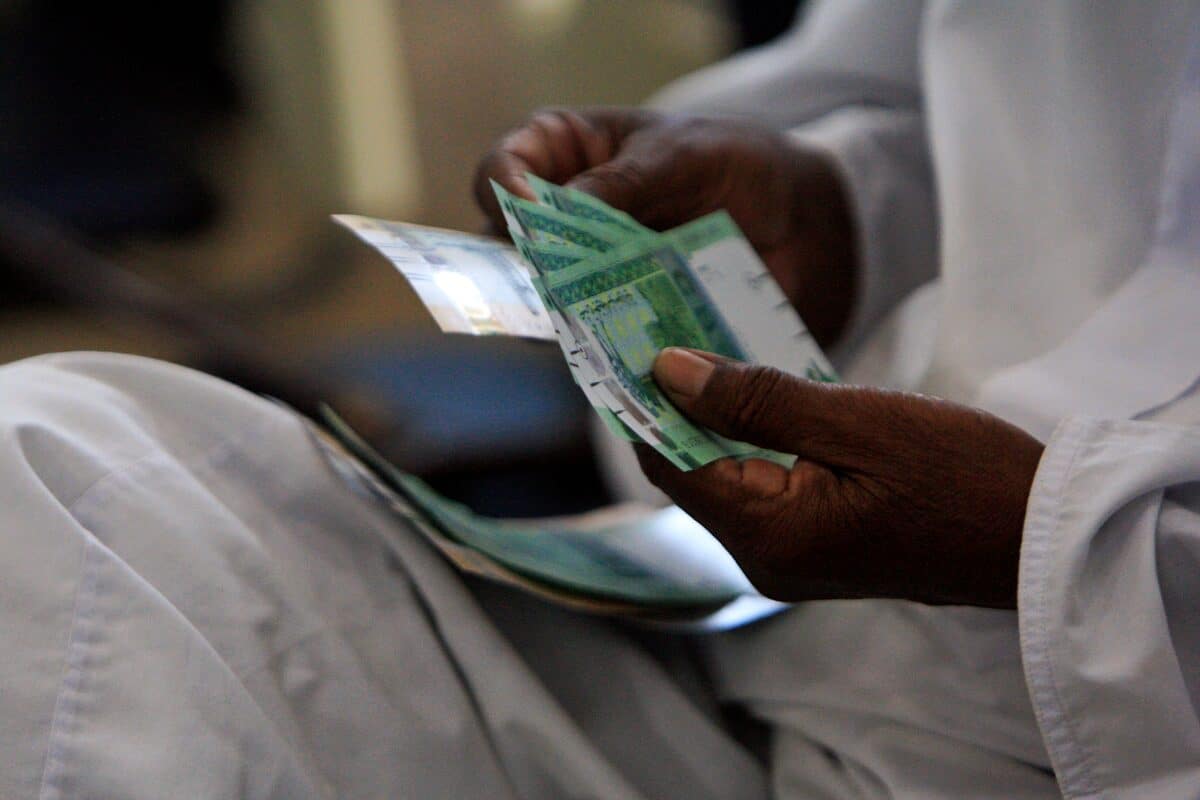
The measures, outlined in a government directive, target what authorities describe as “luxuries and unnecessary” goods, including food items, consumer products and industrial inputs.
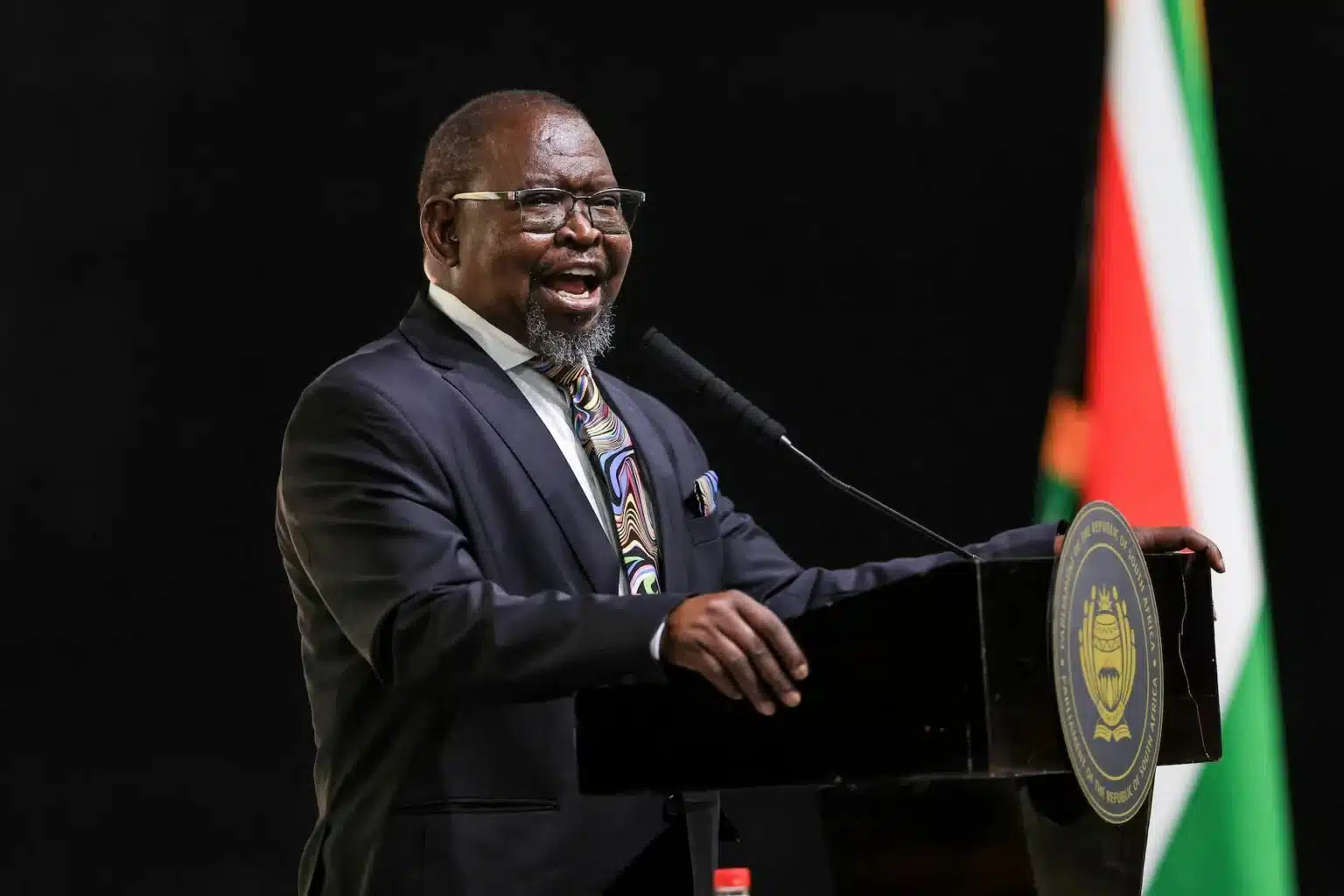
At the core of the overhaul is a structural reset—enabling onshore foreign-currency funds and integrating crypto assets into South Africa’s formal exchange control system.
The inflows—expected from the African Development Bank and a yen-denominated Samurai loan arranged last year—are part of a broader financing pipeline linked to reform milestones, climate frameworks and multilateral support.
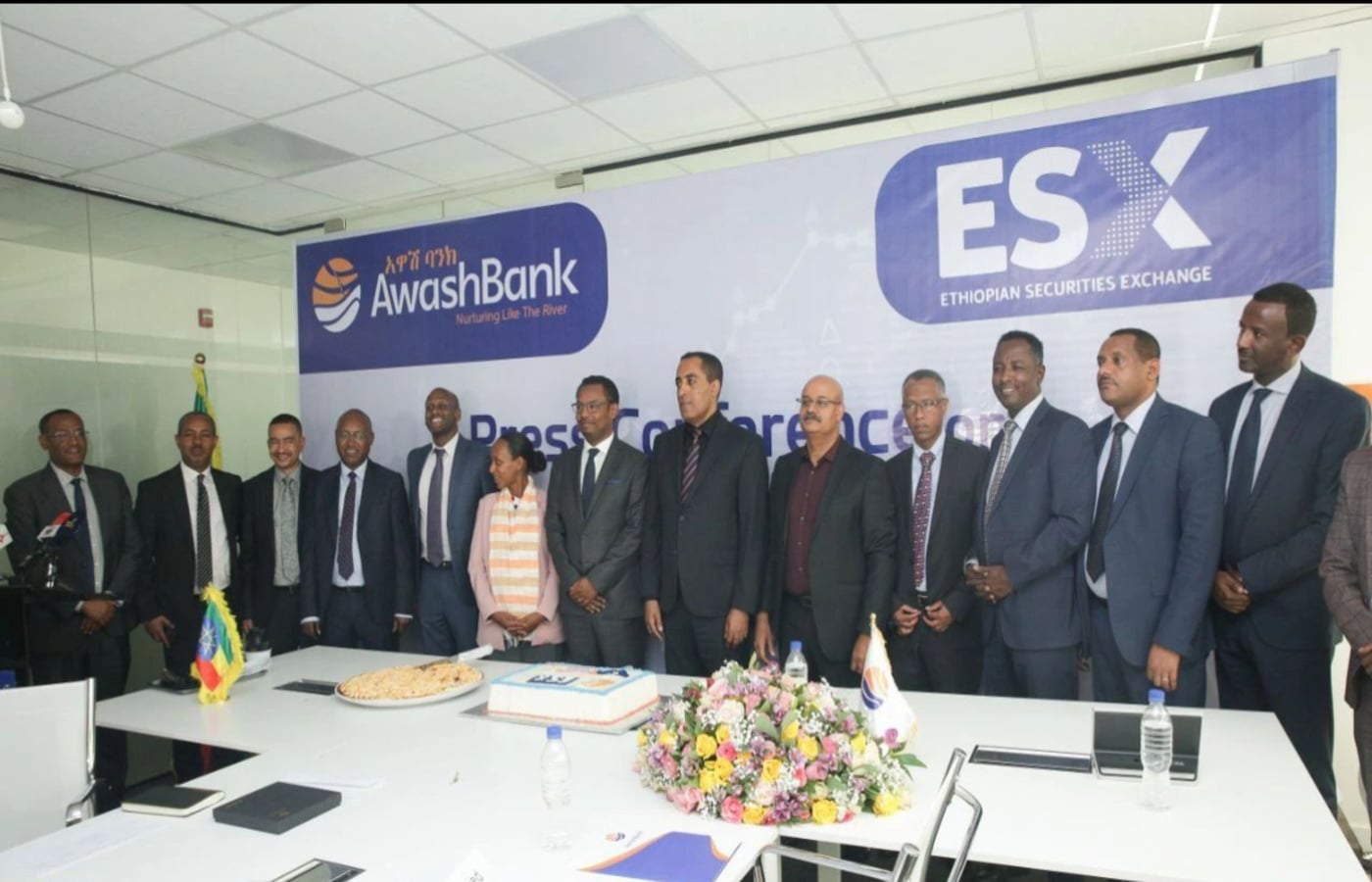
Awash Bank, Ethiopia’s largest private lender, made a significant entrance on the Ethiopian Securities Exchange by listing nearly 38 million shares on April 23, 2026.
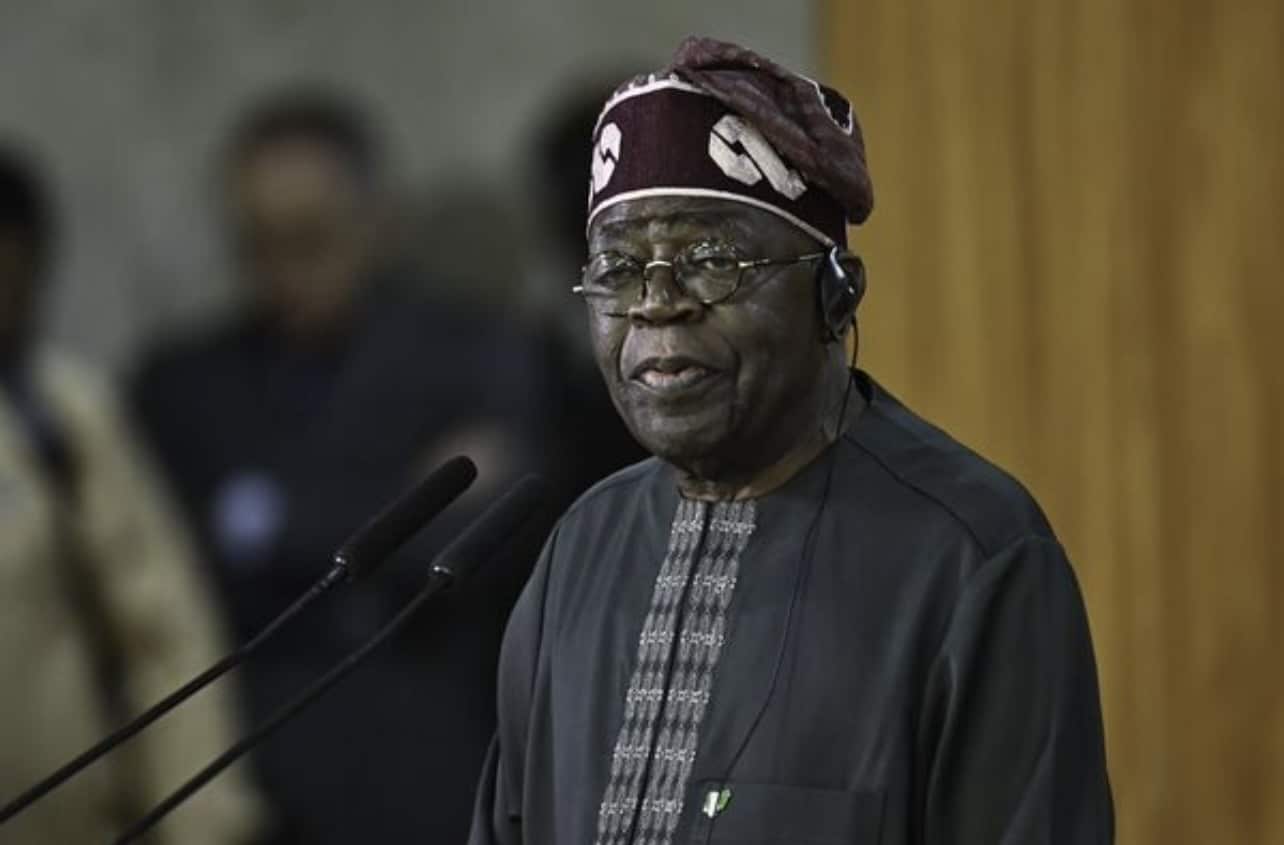
Nigerian President Bola Tinubu has sought Senate approval for a $516.3 million foreign loan to develop the Sokoto-Badagry Superhighway, aimed at enhancing trade between Nigeria’s agrarian north and Lagos.
The Lagos-based institution is targeting financial close by the fourth quarter of 2027, with construction expected to begin immediately after funding is secured and completion slated for 2030.
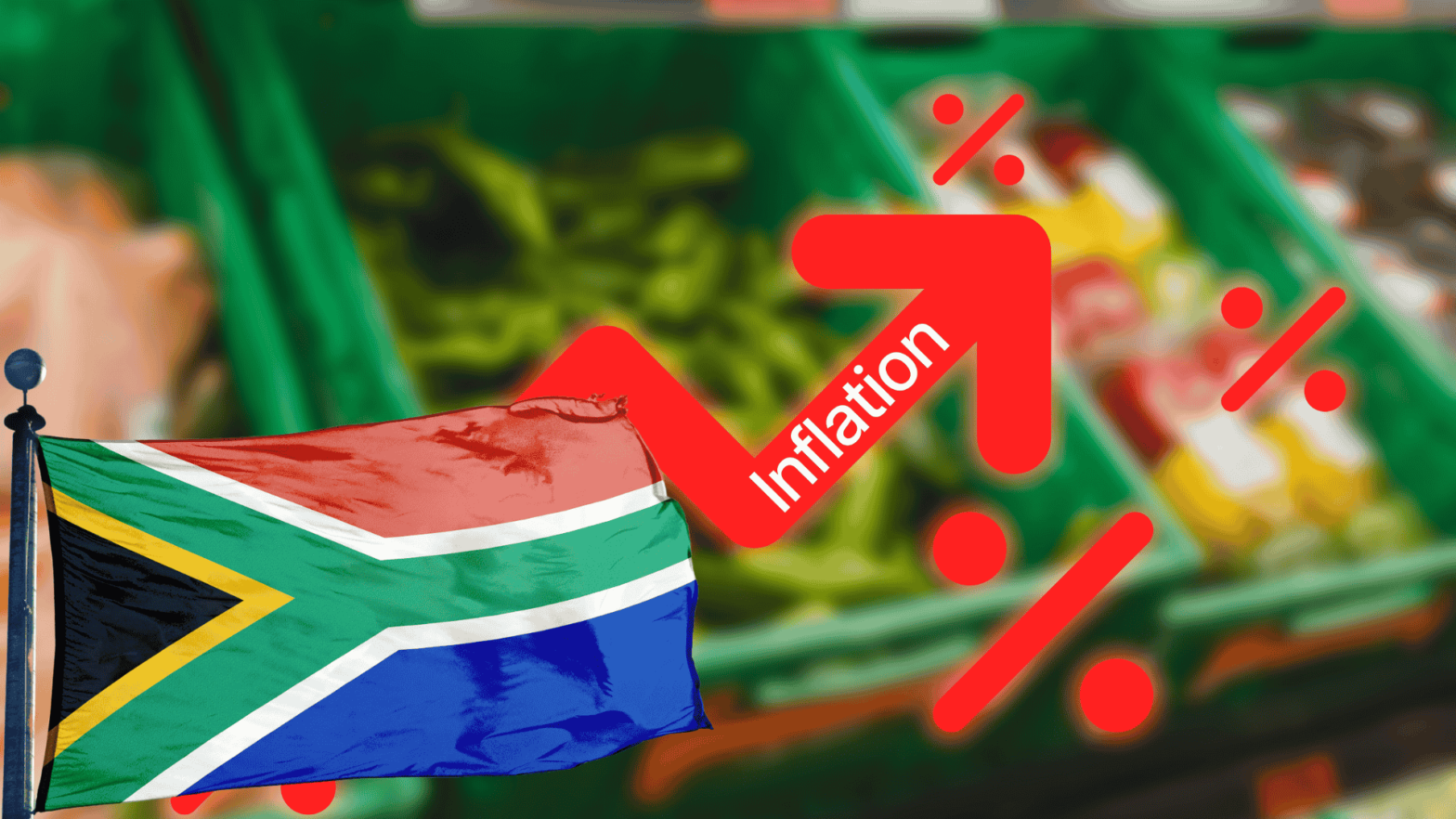
South Africa’s consumer price index rose to 3.1% year-on-year in March 2026, aligning with forecasts and remaining within the Reserve Bank’s target range. Key drivers included increased housing costs and a slight rise in core inflation.
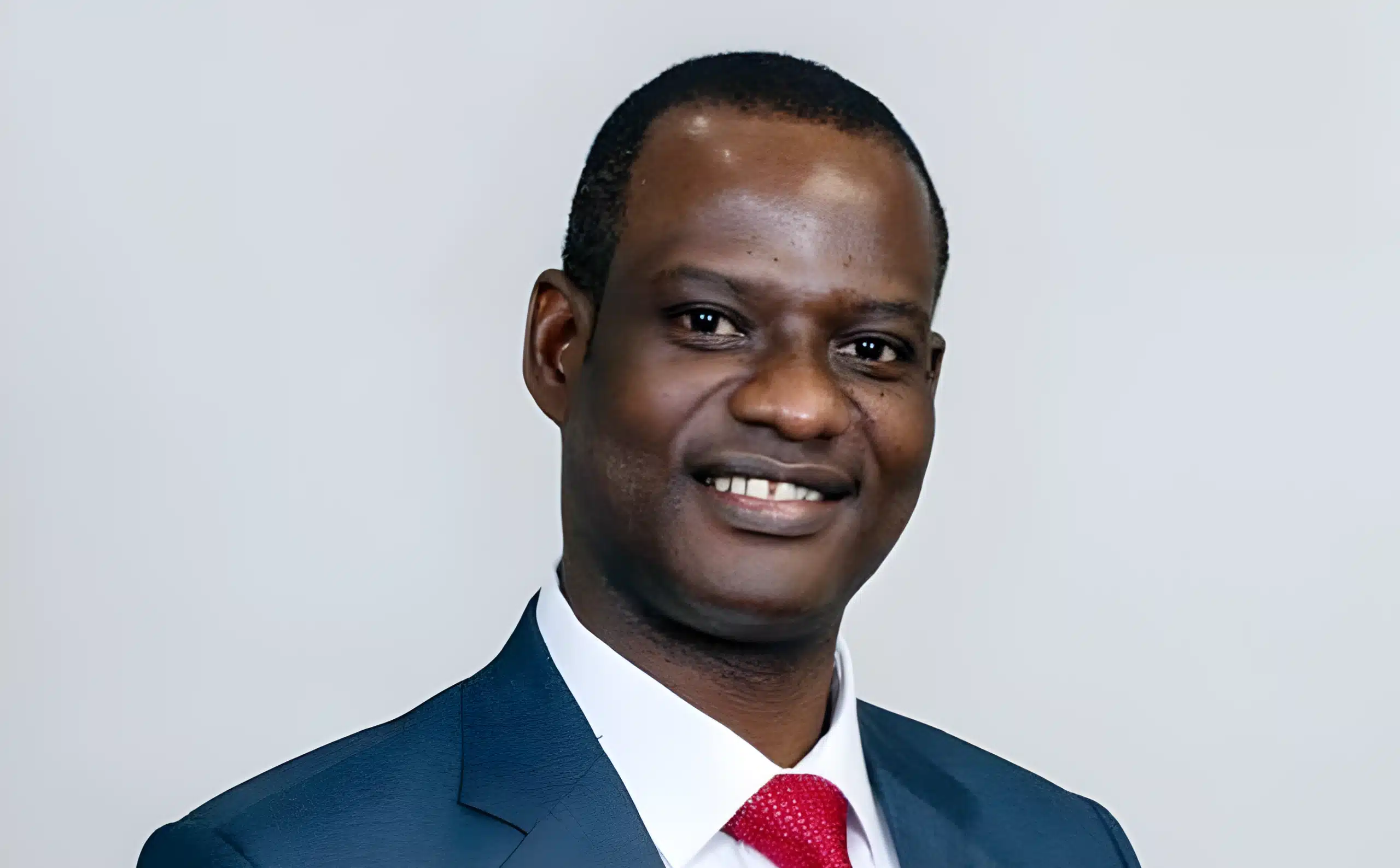
Oyedele’s appointment marks a rapid elevation, coming just weeks after he was named Minister of State for Finance in an earlier reshuffle.
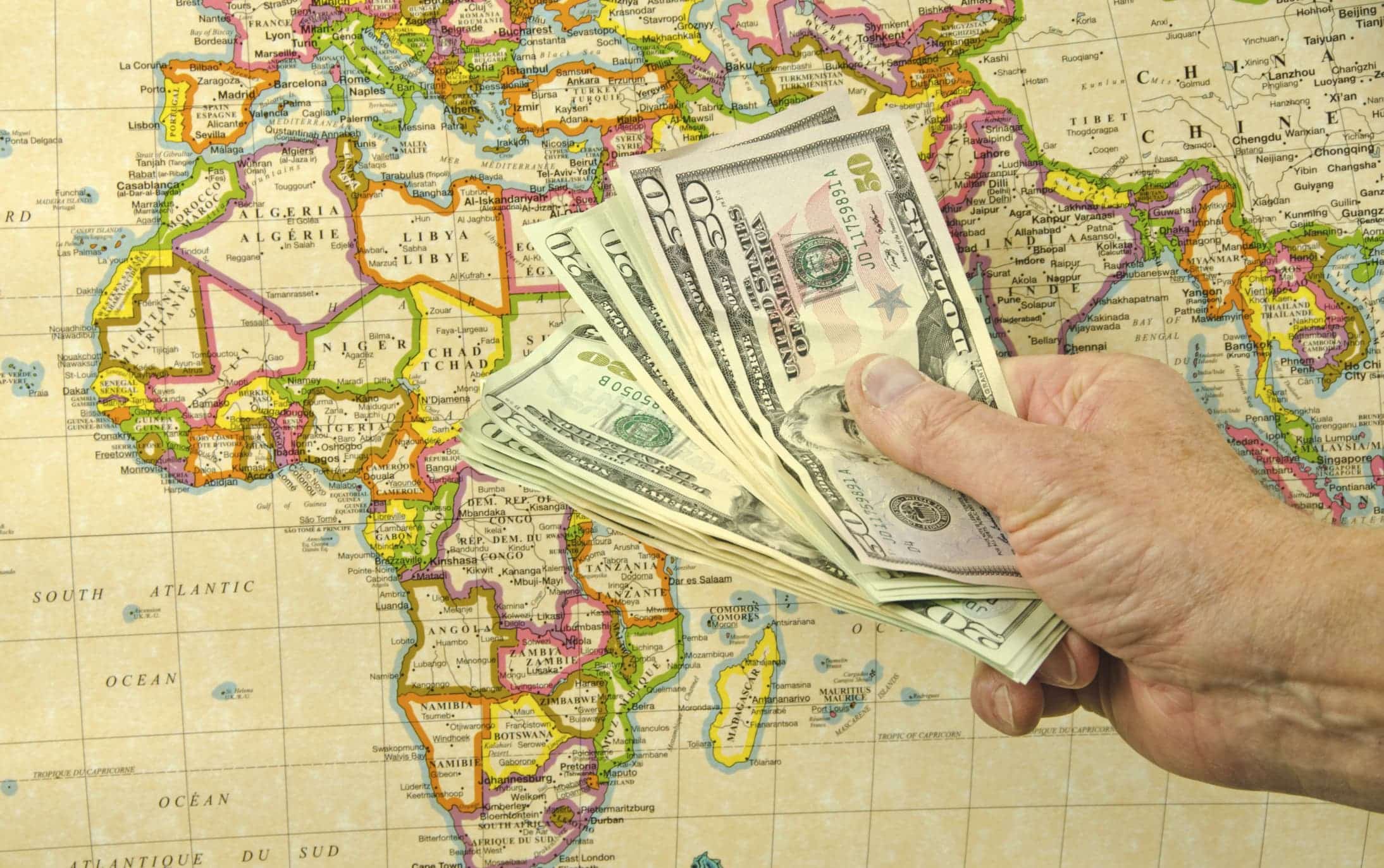
According to stakeholders, closing the gap will depend on building credible project pipelines, strengthening regulatory frameworks, and deploying blended finance tools to attract private capital.
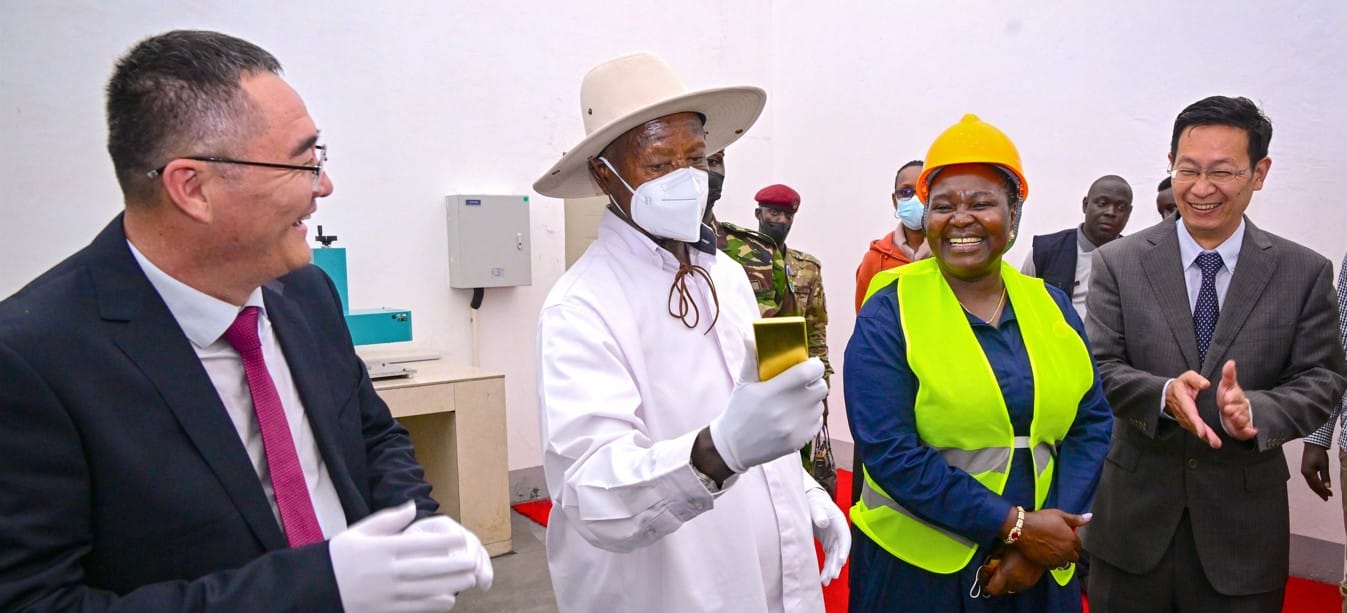
Uganda’s central bank has made its inaugural purchase of domestically mined gold, launching a three-year pilot program to bolster the country’s foreign reserves.
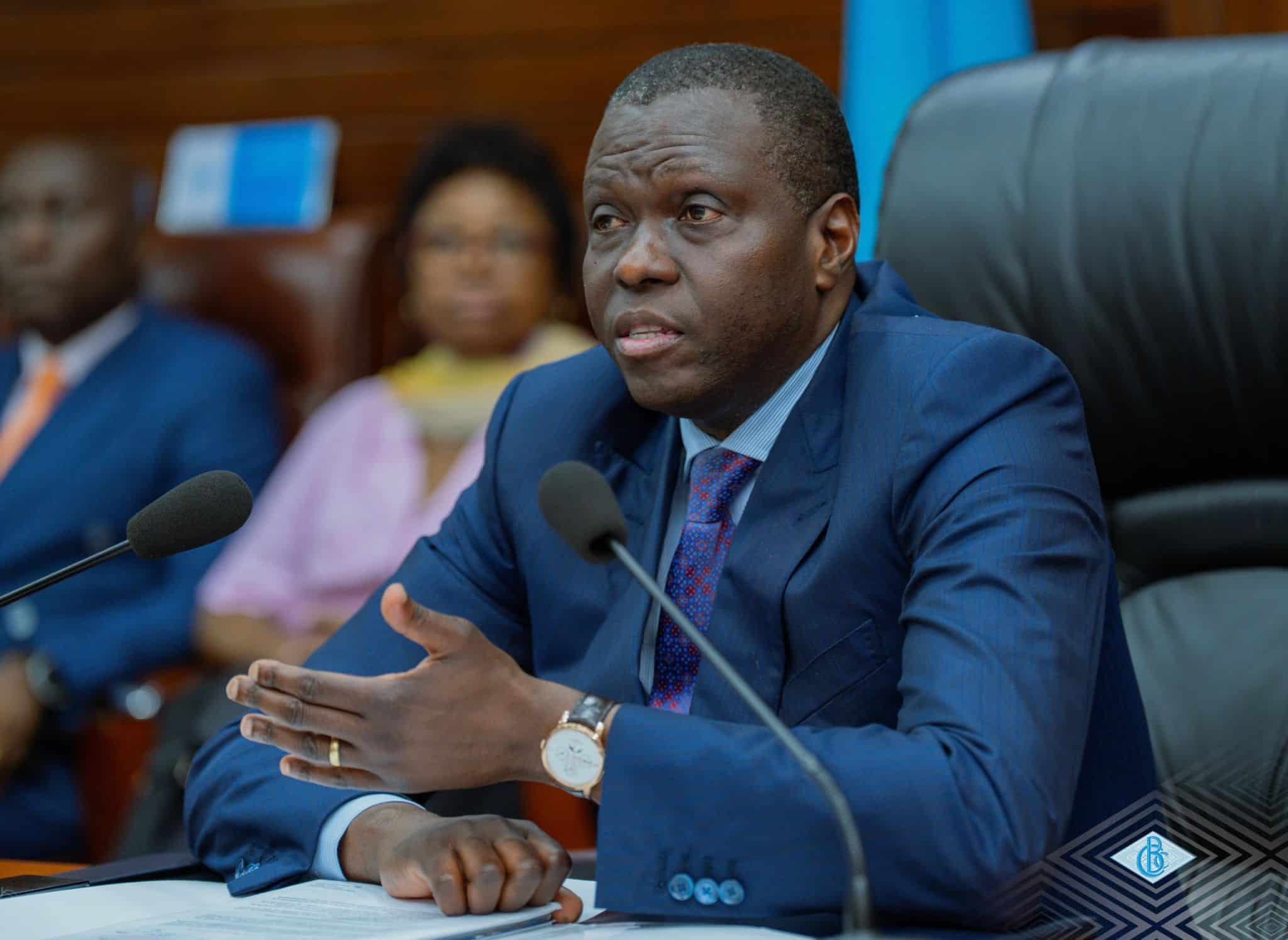
The Democratic Republic of Congo’s central bank will impose strict restrictions on cash transactions in US dollars and foreign currencies starting April 9, 2027, aiming to combat money laundering and bolster the local franc.
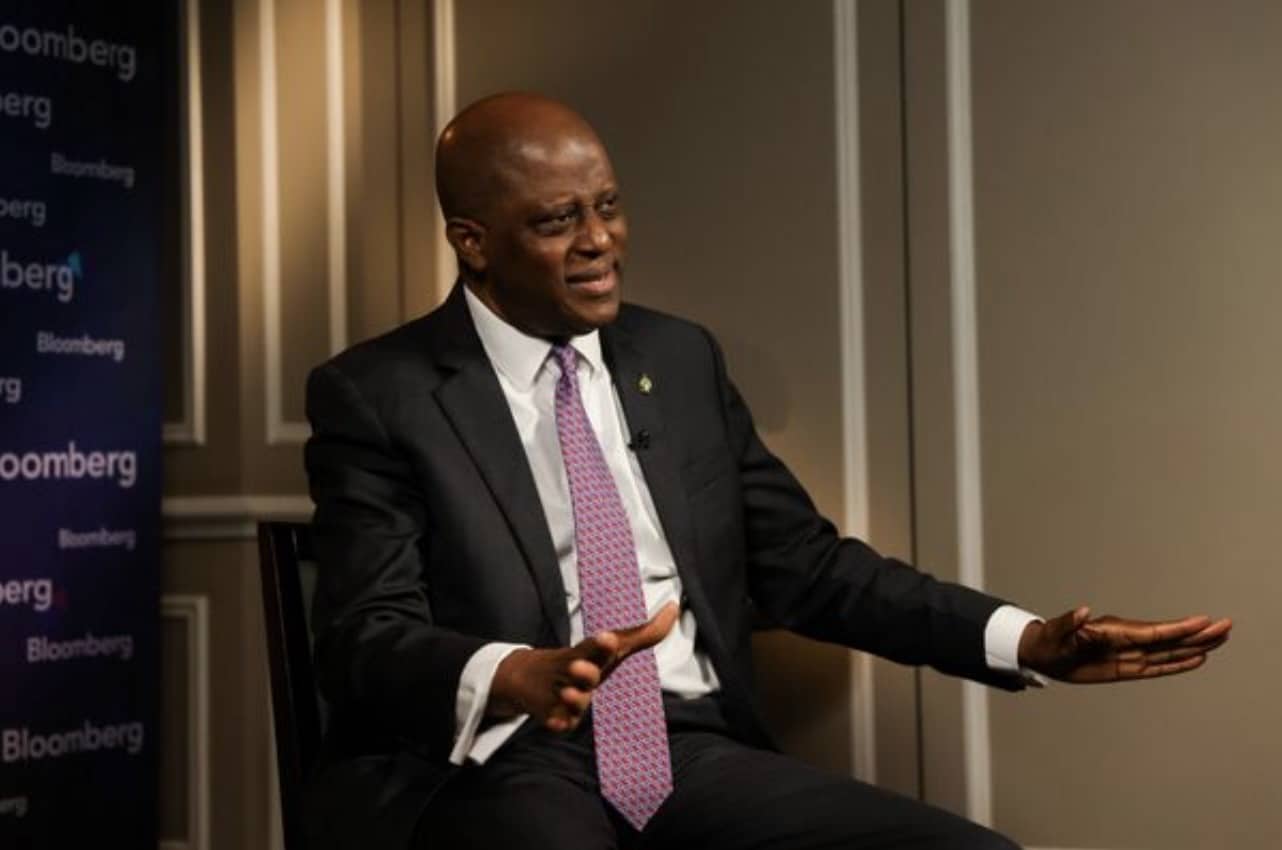
The shift marks a potential turning point in the management of the naira after years of heavy central bank involvement to stabilise the currency amid chronic dollar shortages.
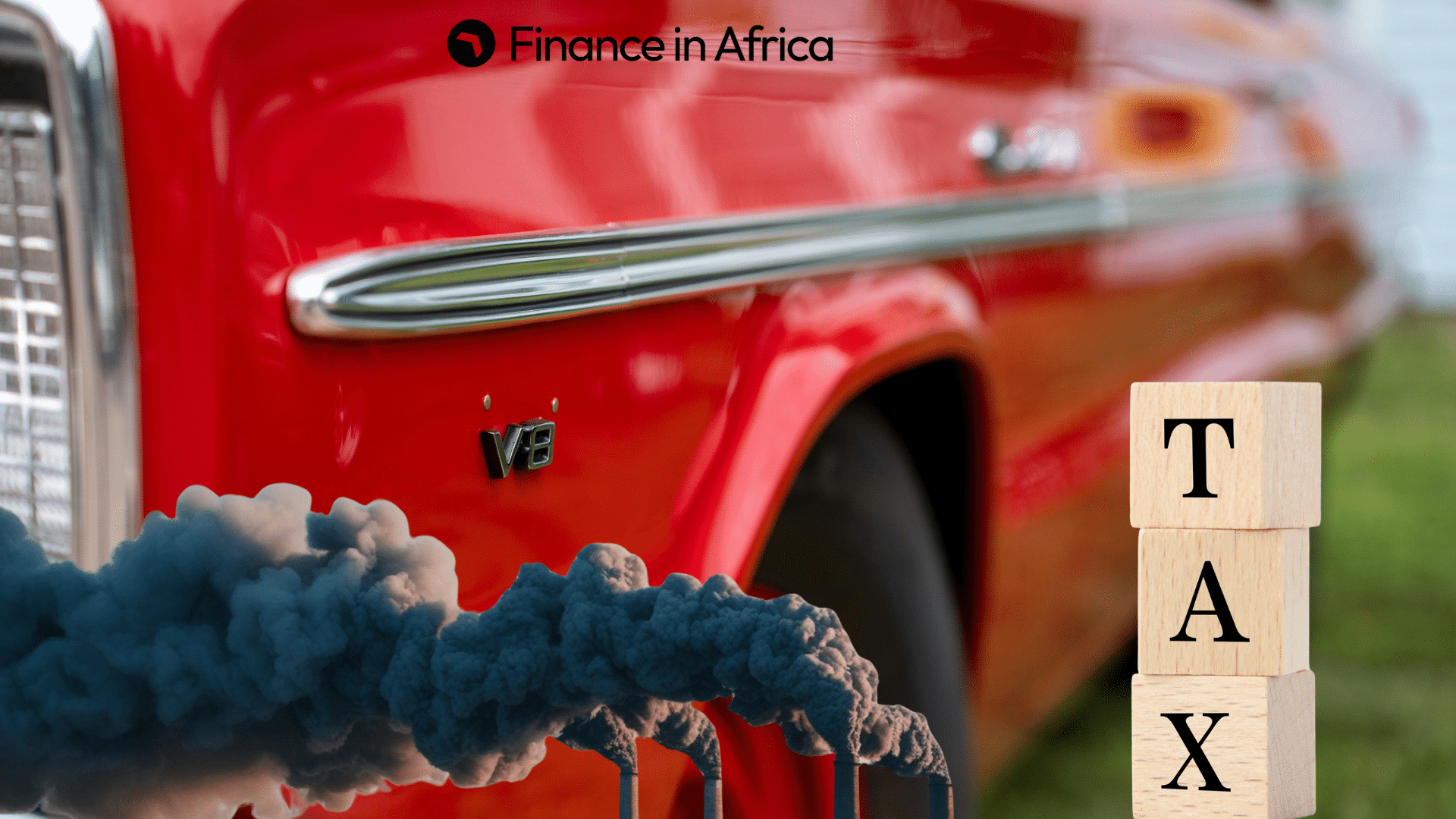
Nigeria is set to implement a new green tax surcharge on motor vehicles with larger engines starting July 1, 2026.
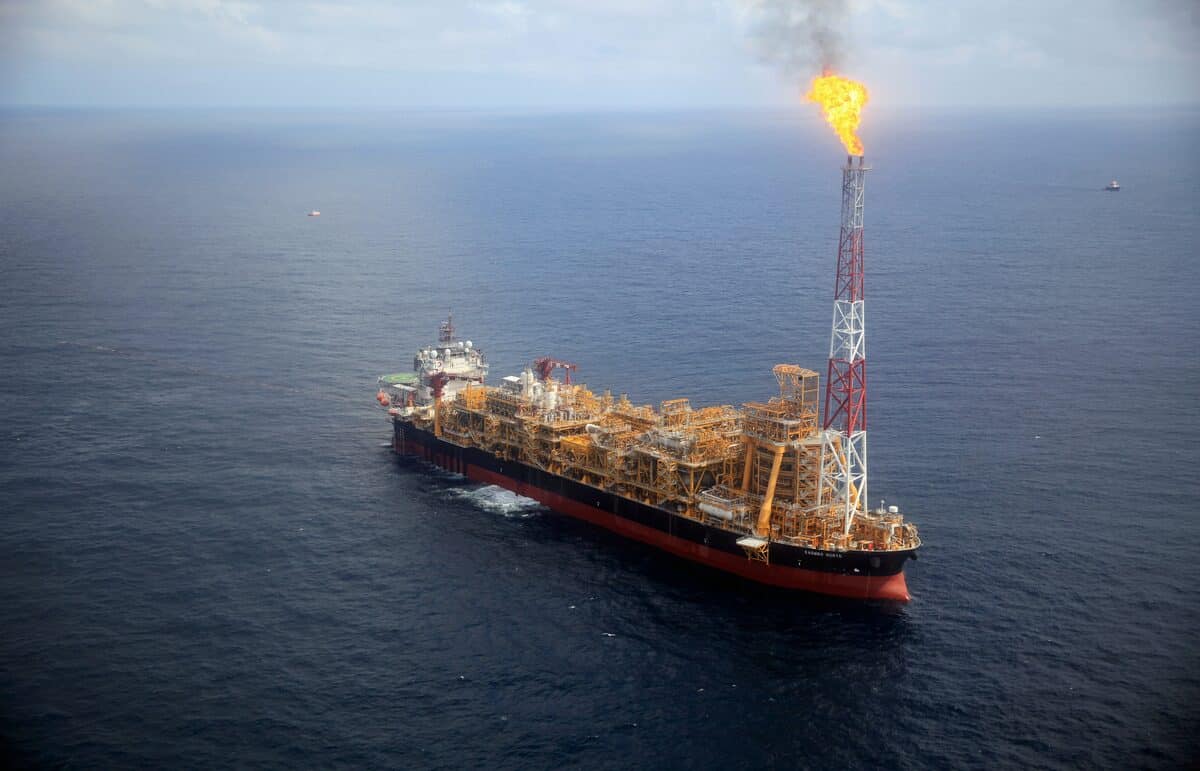
The borrowing plans come even as Angola— Africa’s second-largest oil producer— stands to benefit from a surge in crude prices linked to the Middle East crisis
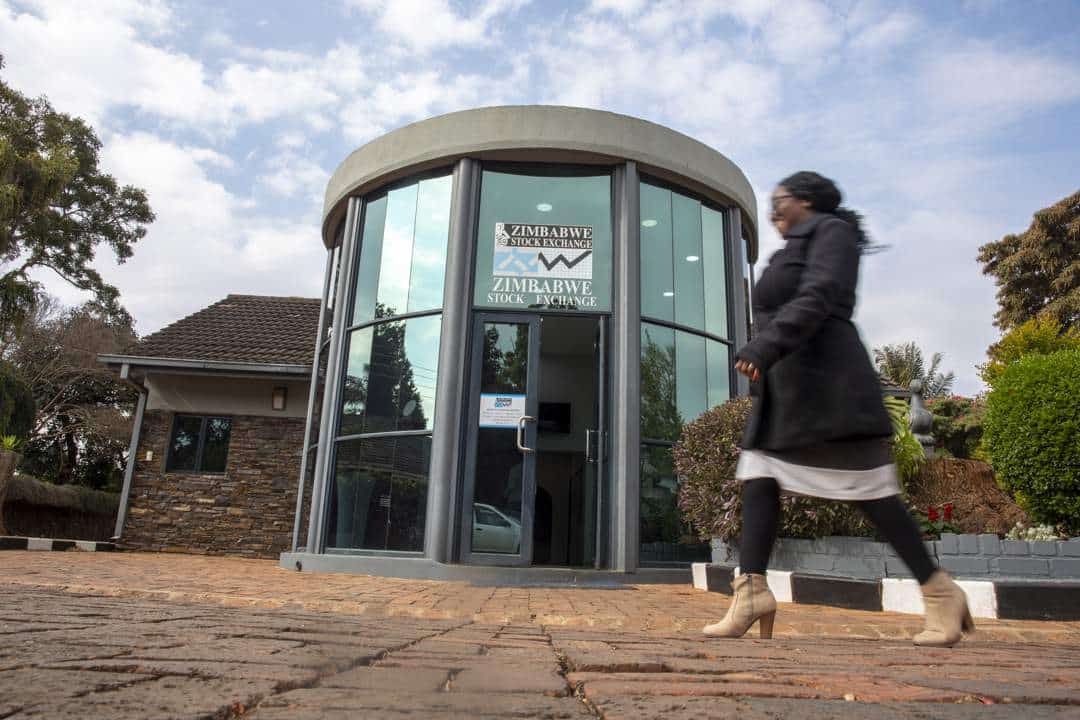
The crossover was driven by Zimbabwe’s largest-ever listing, as telecoms tycoon Strive Masiyiwa moved infrastructure spin-off Econet InfraCo to the dollar exchange at a $1 billion valuation.
The transaction comes as credit rating agencies maintain a stable outlook on Rwanda, with Fitch and Moody’s both signalling improving fiscal metrics and continued reform momentum.
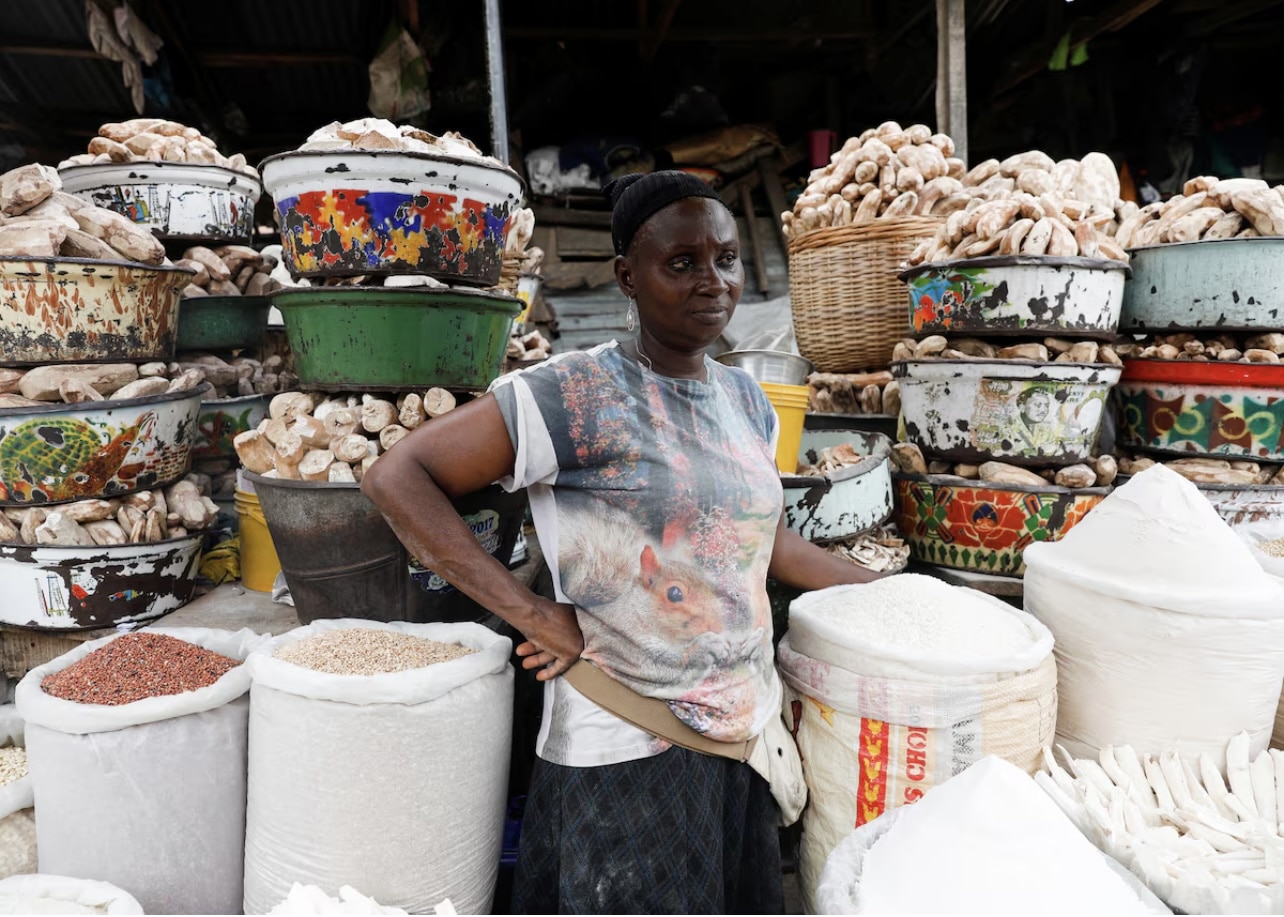
The move comes as Africa’s fourth-largest economy attempts to preserve a fragile disinflation trend which saw headline inflation drop to 15.06% in February from a peak of about 33% in December 2024.
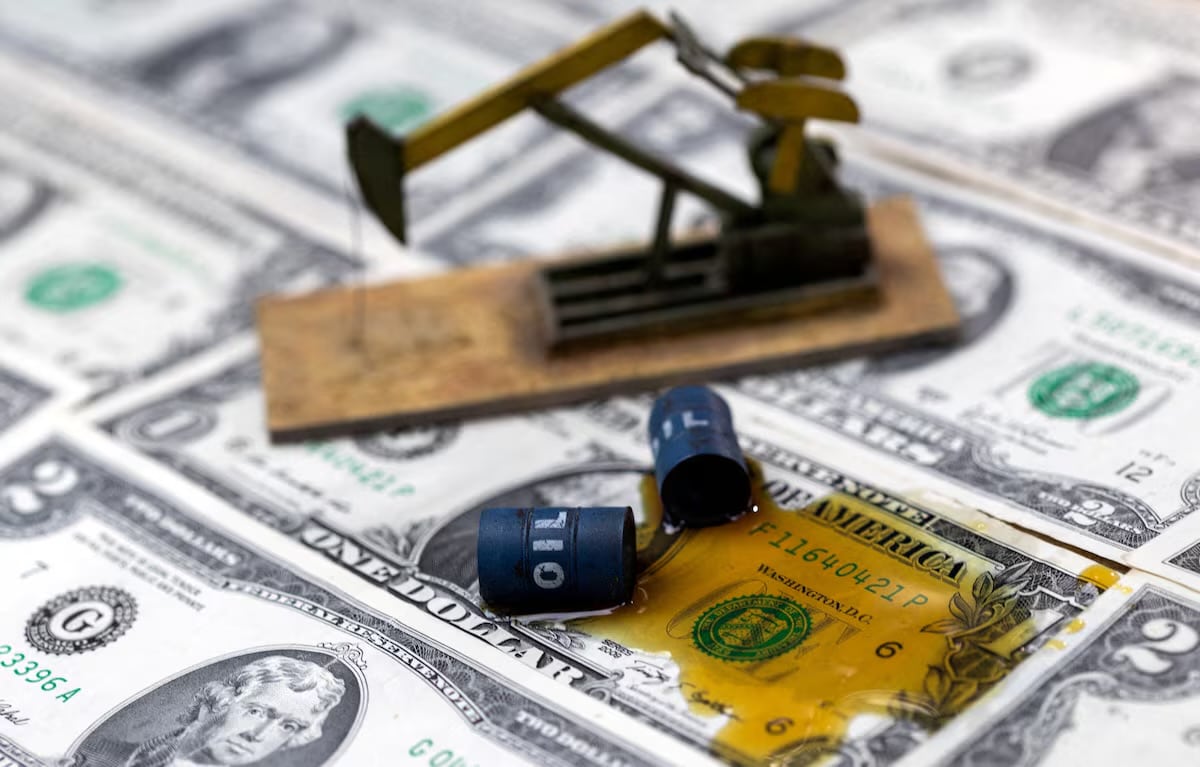
Beyond the immediate fiscal impact, authorities are increasingly concerned about fuel availability as supply disruptions persist along key global shipping routes.
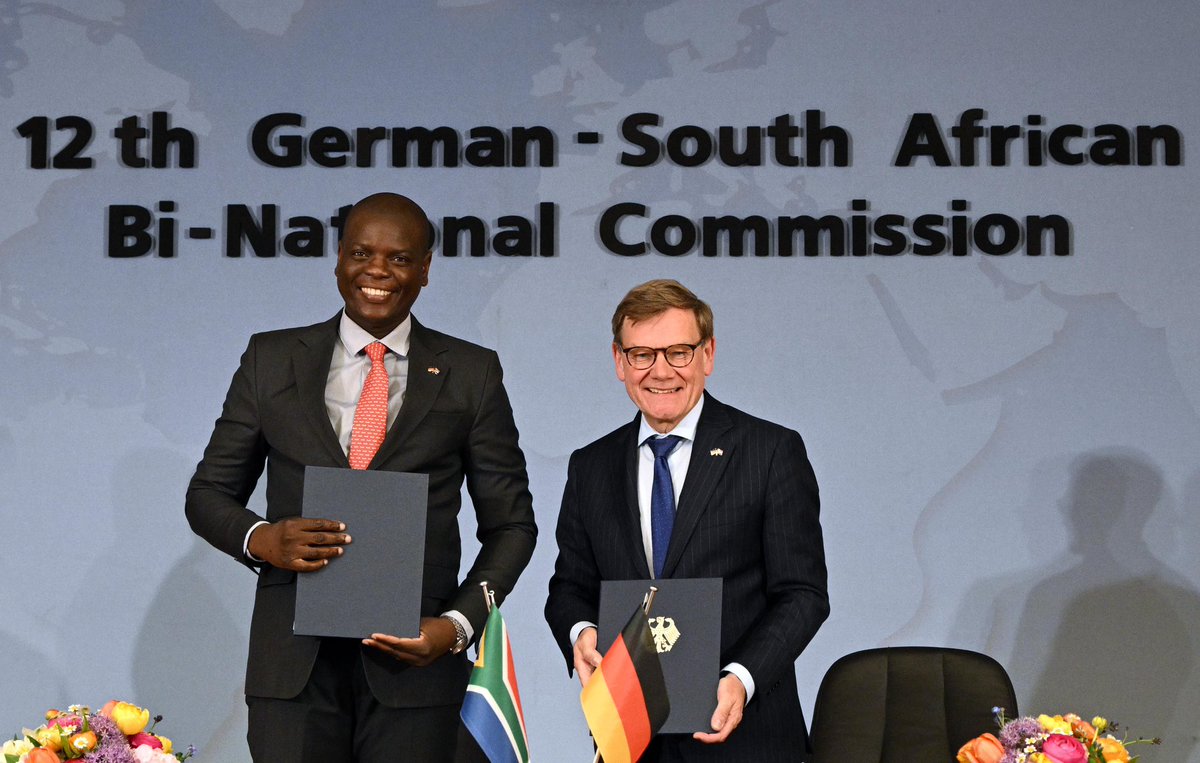
Germany has announced a €200 million concessional climate loan to South Africa to modernize its power grid and boost renewable energy efforts. This funding, part of a new action plan, aims to address South Africa’s energy challenges and enhance cooperation on green technologies.
The IMF has advised Kenya to classify future tax revenues pledged for infrastructure projects as public debt, potentially complicating President Ruto’s funding strategy.