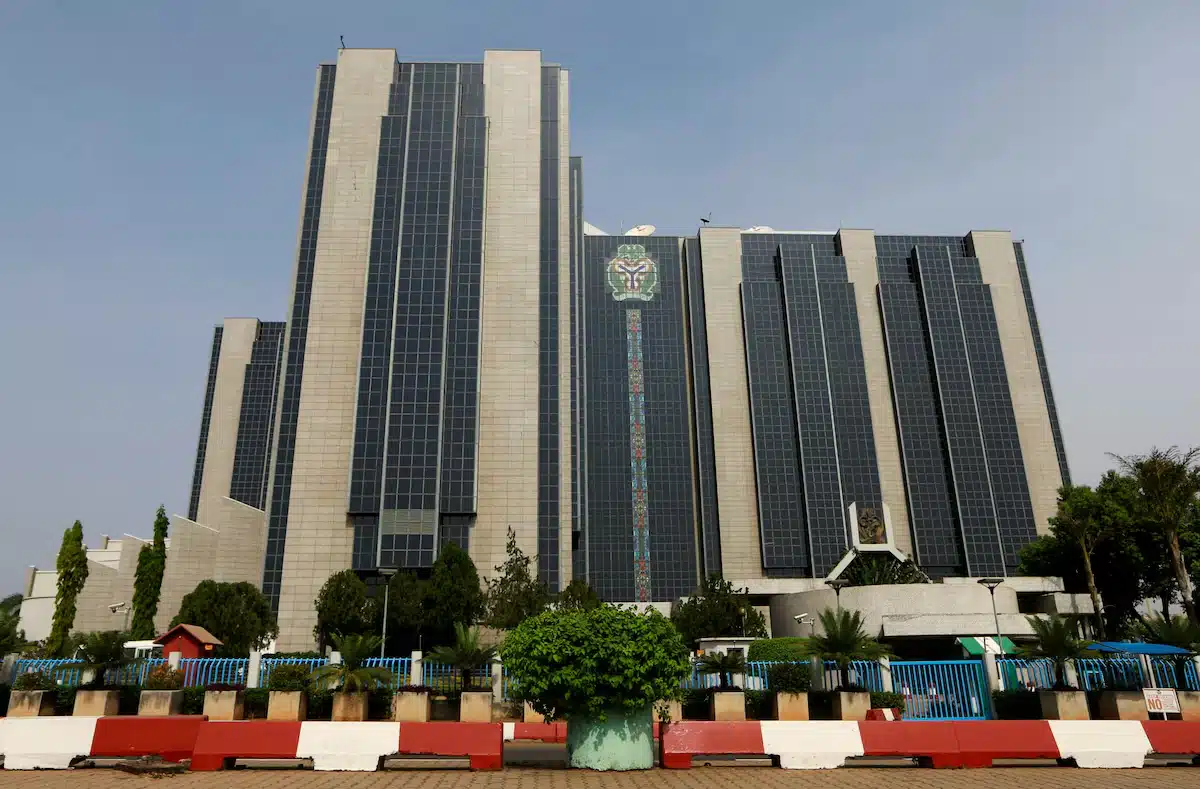




Ethiopia is preparing to open its long-insulated insurance industry with a bold draft law that would allow foreign insurers to enter the market for the first time in decades. The National Bank of Ethiopia (NBE) released the proposed Insurance Proclamation for public consultation, with comments due by April 29, 2026, marking a pivotal step in the country’s financial sector modernisation.
The draft seeks to establish an independent Ethiopian Insurance Regulatory Authority (EIRA) and create structured pathways for foreign participation through subsidiaries or share acquisitions. This comes as Prime Minister Abiy Ahmed’s government continues liberalising key economic sectors to attract investment, boost competition, and drive growth in Africa’s second-most populous nation.
A long-closed market poised for change
Ethiopia’s insurance sector has operated in near-total isolation, with only about 19 insurers and one reinsurer serving a population exceeding 120 million. Market penetration languishes at approximately 0.3% of GDP, far below the African average of 3.6% and the global 6.5%. While domestic players have recorded impressive premium growth of 40-50% in recent years, the lack of international competition has stifled innovation, limited product offerings, and restricted capital available for underwriting major risks in agriculture, infrastructure, and climate resilience.
The NBE’s draft explicitly recognises these weaknesses. By welcoming foreign expertise and capital, the reforms aim to enhance competitiveness, introduce sophisticated risk management tools, and expand access to insurance for millions of Ethiopians currently outside the formal financial system.
The changes mirror Ethiopia’s recent banking sector opening, where foreign entry was approved with similar ownership safeguards, signalling a coherent strategy to align the financial industry with global standards.
Key provisions of the draft
Central to the proposal is the creation of the EIRA as an autonomous regulator with full responsibility for licensing, prudential supervision, consumer protection, and resolution of failing insurers. This includes powers to set up bridge institutions and enforce recovery plans, strengthening overall market stability.
On foreign investment, the draft breaks new ground while maintaining safeguards: foreign insurers can establish wholly or partially owned subsidiaries and acquire stakes in existing firms. Strategic investors face a 40% ownership cap in local companies, with aggregate foreign ownership limited to 49%.
Additional measures include a regulatory sandbox for innovative products, a comprehensive framework for Takaful (Islamic) insurance and Re-Takaful, and a new “inclusive insurer” license targeting underserved and informal economy segments.
Investments must be made in foreign currency, with dividend repatriation governed by NBE rules. Enhanced governance standards, such as mandatory independent directors and robust risk-based capital requirements, are also introduced.
Analysts view the reforms as a potential game-changer. Greater competition could accelerate product development in areas like parametric agriculture insurance and microinsurance, helping close Ethiopia’s massive protection gap. However, domestic insurers have voiced concerns over competing against well-capitalised global players, underscoring the need for a phased implementation and capacity building at the new authority.
Once approved by the Council of Ministers and Parliament, the proclamation will repeal the 2012 and 2019 frameworks and shift oversight from the NBE to the EIRA. Global insurers and investors are already monitoring developments closely, seeing Ethiopia as an untapped frontier with vast underinsured risks.
This liberalisation push, if successful, could significantly enhance financial inclusion, economic resilience, and investor confidence in one of East Africa’s most dynamic economies. Stakeholder feedback over the coming days will help shape the final contours of what could become one of the region’s landmark financial reforms of 2026.