
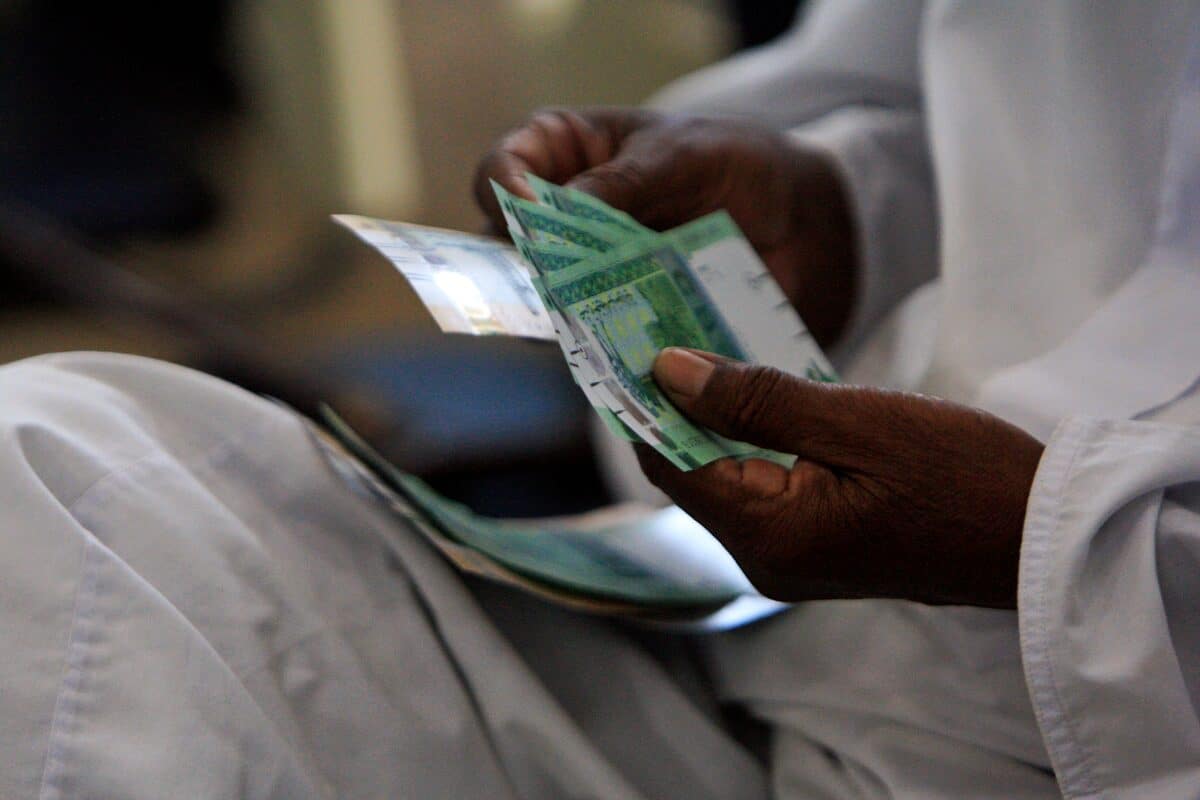


Sudan has moved to restrict a wide range of imports as mounting pressure on its currency forces policymakers into defensive action, underscoring the deepening strain on an economy already weakened by years of conflict.
The measures, outlined in a government directive seen by Reuters on Monday, target what authorities describe as “luxuries and unnecessary” goods, including food items, consumer products and industrial inputs. The aim is to curb demand for foreign currency and stabilise the Sudanese pound, which has come under renewed pressure in recent weeks.
The currency has fallen by about 10% to around 4,100 per dollar since the escalation of the Iran war in late February, reflecting Sudan’s vulnerability to external shocks and its heavy reliance on imports.
Currency defence amid structural weakness
The move marks a return to import controls as a tool for managing foreign exchange shortages. But in Sudan’s case, the policy comes against a backdrop of deep structural fragility.
Three years of conflict between the army and the paramilitary Rapid Support Forces have crippled productive sectors, shutting down much of industry and disrupting agriculture. At the same time, smuggling of gold—Sudan’s main export—has increased, weakening official foreign exchange earnings and widening the trade deficit.
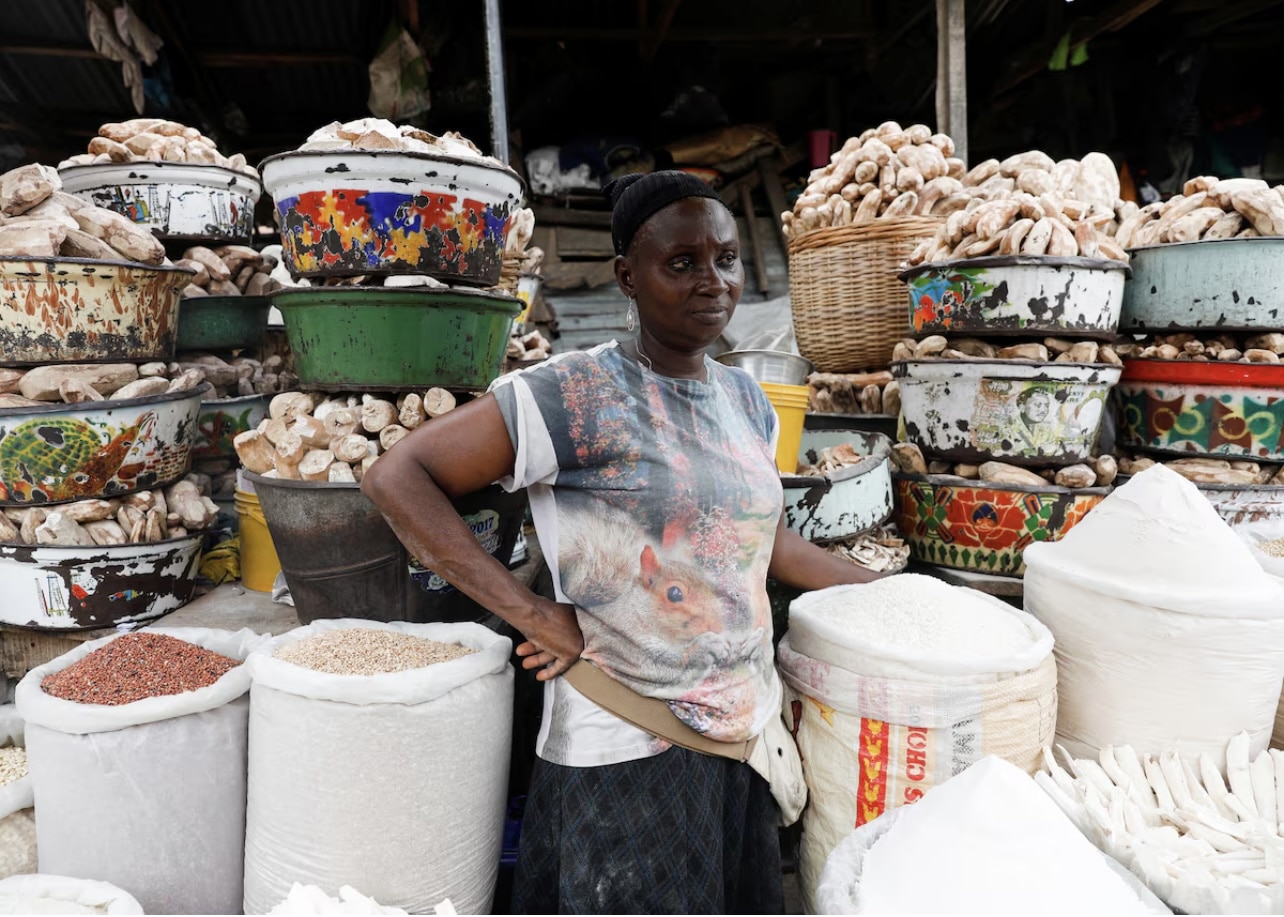
With limited export capacity and constrained inflows, the economy has become increasingly dependent on imports, particularly for food and construction materials. Restricting them may ease pressure on the currency, but it also risks tightening supply in an already strained market.
Business backlash and supply concerns
The breadth of the restrictions has drawn criticism from the private sector, particularly given that some industrial inputs are included in the ban.
Al-Sadig Jalaleldin, head of Sudan’s chamber of importers, described the policy as “flawed, harmful, and ill-conceived,” warning that it could distort markets and create monopolistic conditions.
Such concerns reflect a broader dilemma: efforts to defend the currency could come at the cost of supply stability, especially as demand begins to recover in parts of the country where displaced populations are returning.
Inflation dynamics shift across Africa
Sudan’s move also comes at a time when inflationary pressures are beginning to re-emerge across parts of Africa, driven by rising global energy costs linked to the Iran war.
In East Africa, Kenya’s inflation rose to 4.4% in March from 4.3% a month earlier, marking its first uptick in three months as food and transport costs increased. Nigeria has also seen a reversal, with headline inflation climbing to 15.4% after nearly a year of steady declines, driven in part by a sharp rise in fuel prices.
North Africa is showing similar trends. Morocco exited a brief period of deflation, with inflation rising to 0.9% in March, while Egypt recorded a sharper increase, with urban inflation accelerating to 15.2% following fuel price adjustments.
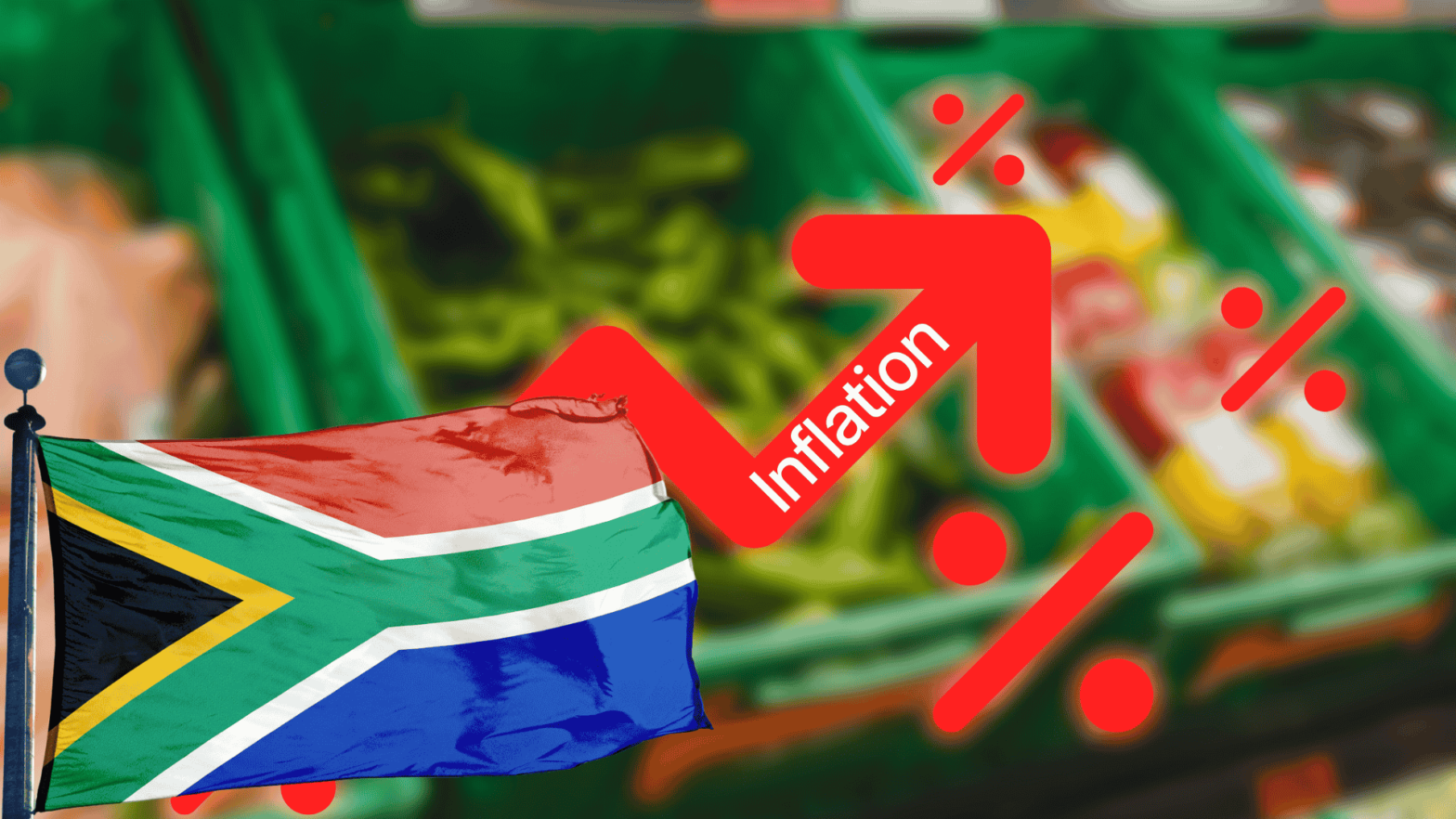
Even in Southern Africa, South Africa posted a modest uptick in inflation to 3.1%, reflecting early signs of pressure from global energy markets.
The pattern points to a broader shift: the disinflation trend that characterised much of the past year is beginning to fade as higher oil prices feed into domestic economies.
A narrowing policy path
For Sudan, the external shock is compounding existing vulnerabilities. Rising import costs are putting additional pressure on the currency, even as purchasing power remains weak.
While official data shows inflation easing in recent months, the decline reflects collapsing demand rather than improving price stability—highlighting the fragility of the underlying economic environment.
With limited fiscal space and few policy tools available, authorities are increasingly relying on administrative measures to stabilise the economy.
The import curbs may offer short-term relief for the currency. But as inflation risks re-emerge across the continent and external pressures persist, Sudan faces a difficult balancing act between defending its currency and sustaining already fragile economic activity.