



South Africa is moving to overhaul decades-old rules governing the flow of money in and out of the country, in a sweeping reform aimed at attracting as much as $600 billion in new investment and restoring its competitiveness as a continental financial hub.
The proposals, published for public comment by the National Treasury on April 17, mark one of the most significant shifts in the country’s capital regime since exchange controls were first introduced in the early 20th century.
Authorities are seeking to replace a historically restrictive system with a more open, targeted framework designed to facilitate cross-border investment while maintaining oversight of financial risks.
Much of the current legislation dates back to 1961, with some provisions originating as far back as 1933—an era when exchange controls were used not only to manage capital flows but also to protect the domestic revenue base and safeguard financial stability.
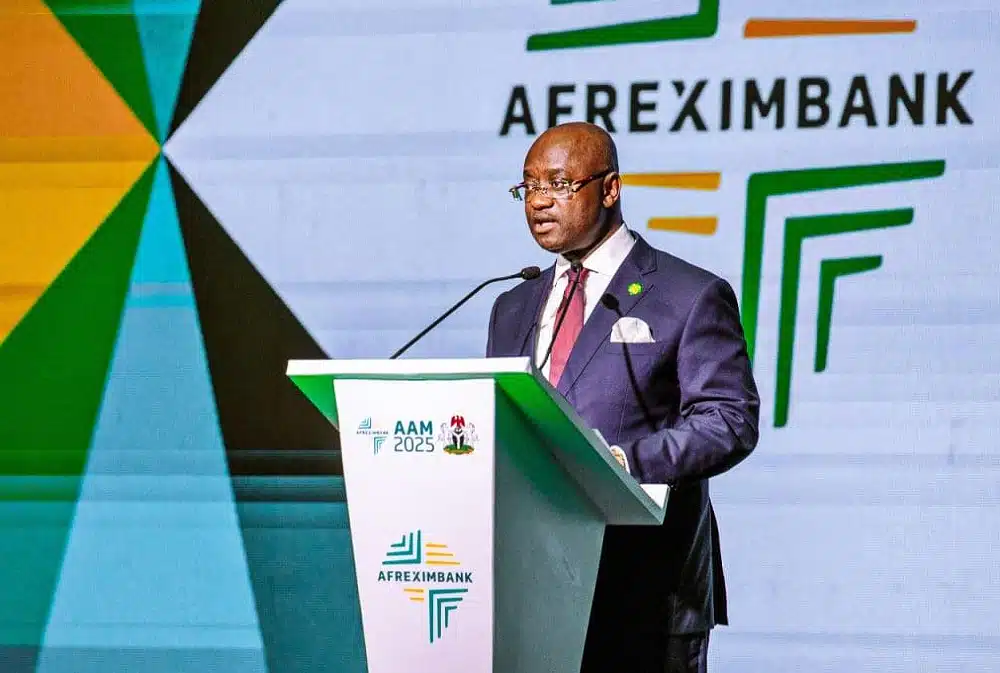
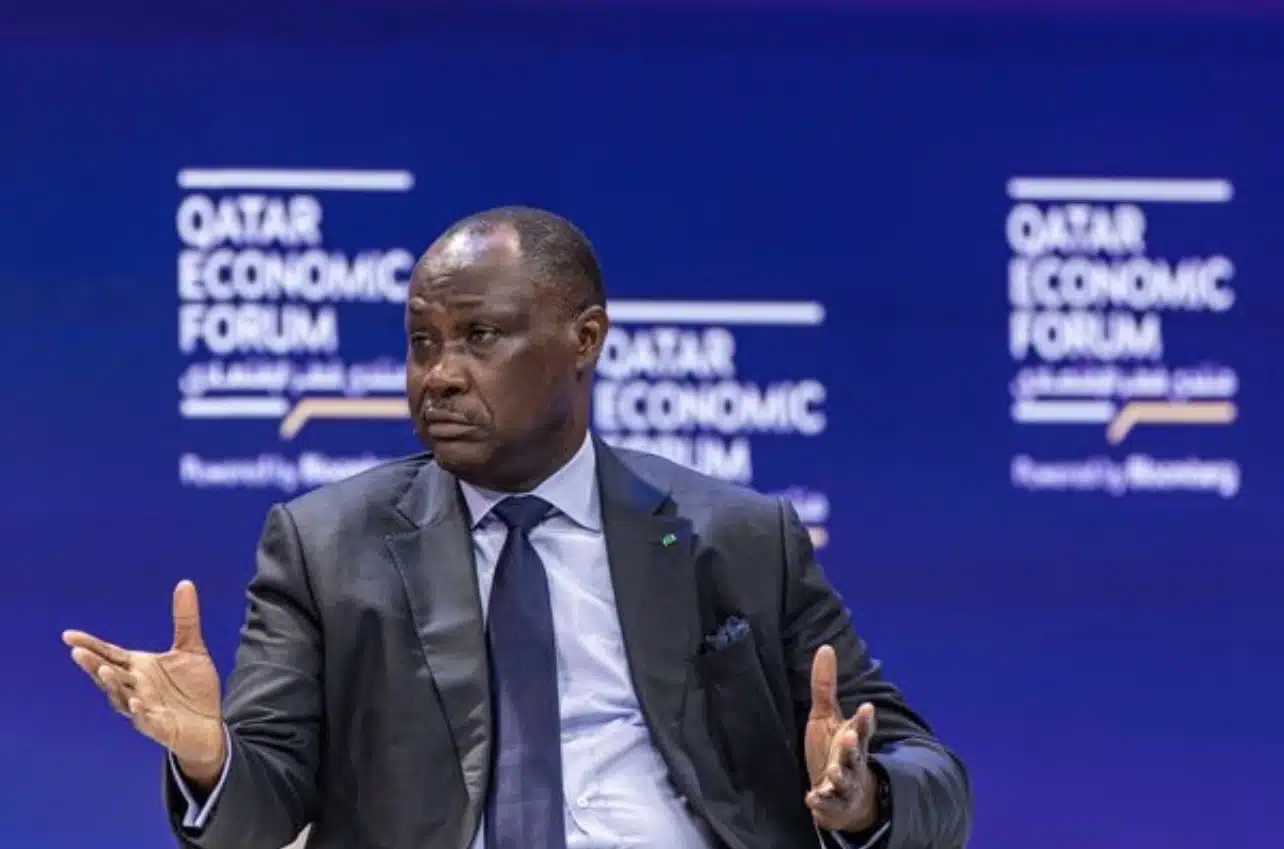
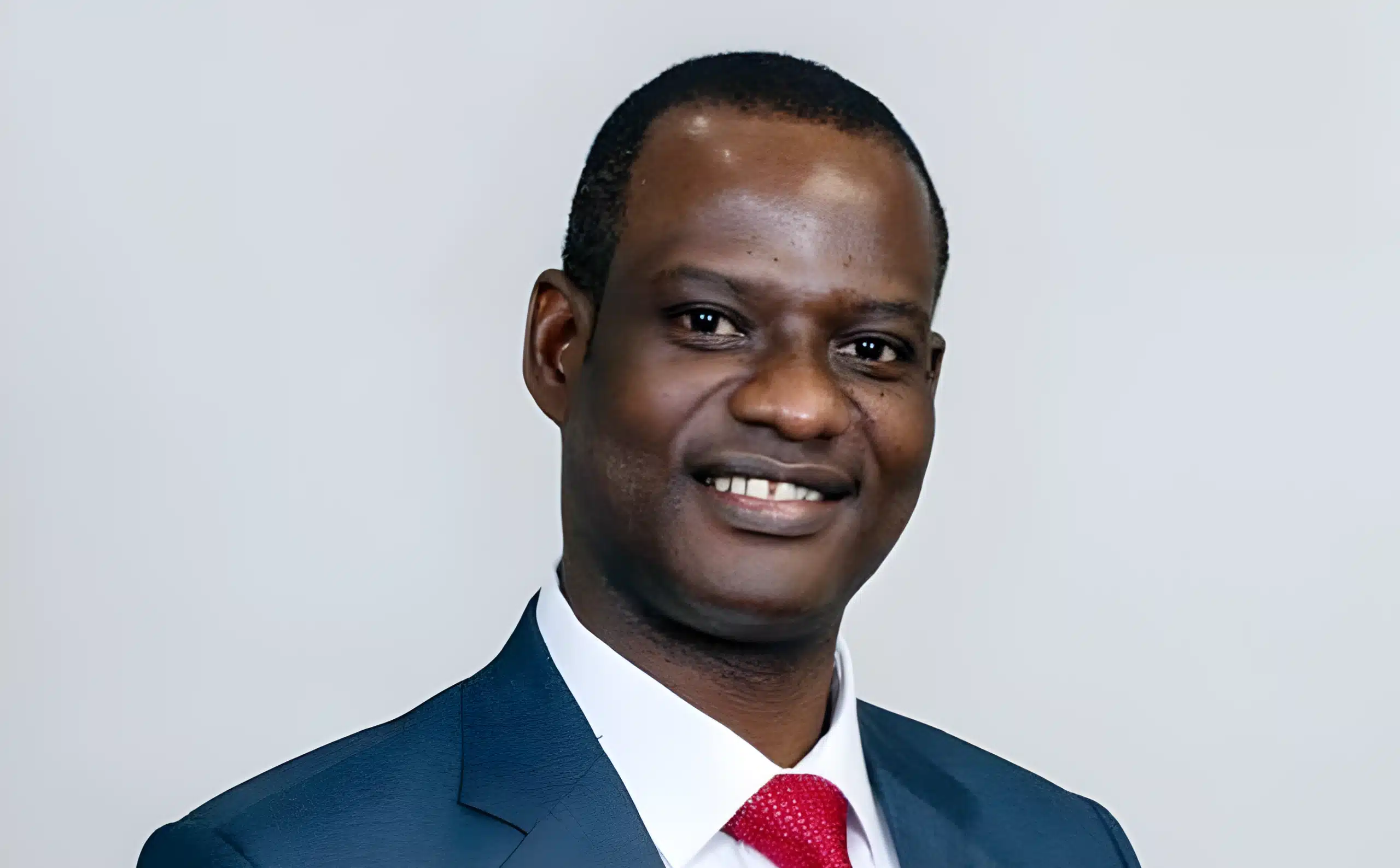
“That blunt instrument is now being replaced with more targeted reforms,” Vukile Davidson, deputy director-general of financial policy at the National Treasury, said while speaking to Reuters.
The new approach, he added, reflects a shift toward a “positive bias” in managing capital flows, signalling a more open stance to global investors.
Bringing capital back onshore
At its core, the overhaul underpins a structural change that would allow asset managers to domicile foreign-currency funds within South Africa for the first time.
Under current rules, fundraising and deploying capital in currencies such as the US dollar must be legally based offshore—even if managed locally.
This has driven financial activity to competing jurisdictions such as Mauritius, Rwanda and Dubai, eroding South Africa’s position as a regional financial centre.
Allowing non-rand funds to operate onshore is expected to help retain capital, rebuild domestic expertise and deepen local capital markets.
“Places like Mauritius, increasingly Kenya and Kigali, and Dubai have been much more successful in attracting South African financial firms,” Davidson said, highlighting the competitive pressure driving the reforms.
The Johannesburg Stock Exchange, which has been pushing for capital market reforms through its Operation Phumelela initiative, estimates the changes could unlock up to 10 trillion rand ($608 billion) in investment over time.
Crypto enters the regulatory net
The reforms also seek to bring crypto assets formally into South Africa’s exchange control framework, recognising their growing role in the financial system.
Under the proposals, crypto transactions above a specified threshold would be permitted only through regulated intermediaries, with mandatory disclosure of holdings and significant transfers to authorities. The move is aimed at improving transparency and curbing illicit flows, while integrating digital assets into the formal financial architecture.
Crypto has gained traction across South Africa as a tool for trading, remittances and cross-border value transfer, often operating outside traditional banking channels.
A broader reform agenda
The capital control overhaul forms part of a wider set of economic reforms pursued by the government in recent years, spanning energy, logistics, infrastructure and fiscal policy. Officials say the timing is also influenced by shifting global dynamics, which are creating opportunities to attract mobile capital.
By easing restrictions, increasing flexibility for investors and modernising outdated rules, authorities are betting that Africa’s most industrialised economy can reposition itself as a preferred destination for international capital flows.
The success of the reforms will depend on execution and investor response. But the direction is clear: after decades of tight control, South Africa is opening its financial system in a bid to compete more aggressively in global capital markets.
NB: $1 = 16.4660 rand as of April 27, 2026