
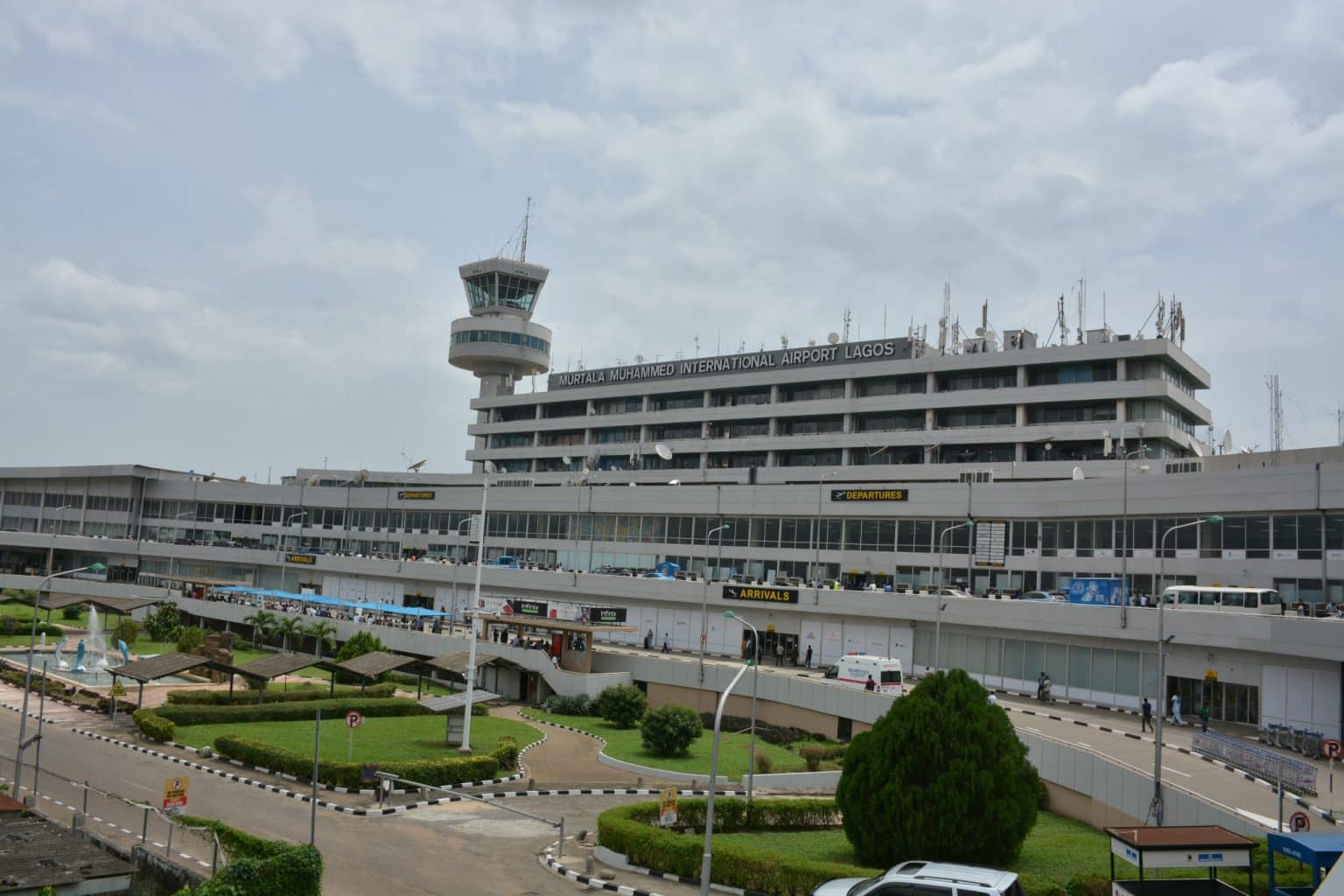


As the Federal Airports Authority of Nigeria (FAAN) enforces full cashless operations by February 28, 2026, a deep dive into its revenue history underscores the policy’s potential to drive fiscal gains, amid expert optimism for enhanced transparency. Industry observers highlight how digital payments could curb leakages, bolstering accountability in Nigeria’s aviation sector.
FAAN’s internally generated revenue (IGR) has shown resilience post-pandemic. In 2022, the agency remitted $22.8 million (₦30.53 billion) to the federation account, estimating total IGR at around $71.6 million (₦96 billion) based on a 32% remittance ratio derived from multi-year data.
By 2023, IGR climbed to approximately $126.9 million (₦170 billion), with $116 million (₦155.49 billion) recorded from January to November, reflecting seasonal adjustments and efficiency drives like waste reduction, as noted in Senate briefings. Remittances reached $40.5 million (₦54.3 billion) that year.
The 2024 figures marked a leap to $267.3 million (₦358.2 billion), dominated by Lagos at $191.1 million (₦256.07 billion) 67% and Abuja at $60.6 million (₦81.22 billion), 21.3%, fueled by tariff hikes and prepaid metering for vendors despite infrastructure hurdles requiring $432.8 million (₦580 billion) in investments. Remittances hit $84.2 million (₦112.82 billion), signalling over 100% growth from 2023. The three-year average thus hovers at $155.2 million (₦208 billion), providing a baseline for projections.
Leveraging the 75% anticipated revenue uplift from the cashless mandate, which digitises gates, parks, lounges, and fees, post-implementation IGR could reach $271.6 million (₦364 billion) annually, assuming seamless rollout.
What this means
FAAN Managing Director Olubunmi Kuku emphasised: “We project a 50 per cent increase in revenue collection at this pilot stage, rising to 75 per cent as we integrate more points, with the goal of tripling revenue within the first year.”
Director of Commercial and Business Development Joy Adebola Agunbiade echoed this, stating: “We project a 50 per cent increase in revenue collection at this pilot stage, rising to 75 per cent as we integrate more points, with the goal of tripling revenue within the first year of full implementation.”
Industry observers align with these ambitions. As one analyst noted in sector reports, “Stricter enforcement of the Cashless Policy could improve audit trails and real-time revenue tracking. Electronic systems create transparent records that reduce opportunities for diversion or under-reporting.”
Another observer highlighted: “Stricter enforcement of the policy could help reduce revenue leakages and strengthen accountability in public finance.” Emeka Chukwuka, a digital finance expert, praised the shift on LinkedIn:
“Exciting development in Nigeria’s aviation sector! The Federal Airports Authority of Nigeria is fully transitioning to cashless operations… This will enhance efficiency, security, and passenger experience.”
Broader economic studies support the optimism. Researchers like Emmanuel Okeme and Lewis Dormaa Gbarayorks, in analysing Nigeria’s cashless policies, found that “all cashless transactions showed a noteworthy long-term impact on economic performance,” suggesting FAAN’s move could amplify sectoral growth. Another study concluded a “causal association between implementing a cashless policy and economic growth,” with non-cash instruments positively affecting GDP.
Yet, challenges loom. Analysts warn of digital divides in regional airports, potentially hindering adoption. FAAN’s partnership with Paystack for NFC tech aims to mitigate this, aligning with Treasury directives. Under President Tinubu’s agenda, this could set a precedent for MDAs, fostering fiscal modernisation. Stakeholders call for infrastructure upgrades to sustain gains.
NB: For conversions, the current exchange rate is approximately ₦1,340 per USD, based on today’s blended data: