



Ethiopia’s manufacturing sector is losing employment share despite strong economic growth, highlighting structural bottlenecks that could complicate the country’s industrialisation strategy, according to the African Development Bank (AfDB).
In its mid-term review of Ethiopia’s 2023–2027 Country Strategy Paper, the AfDB reported that manufacturing’s share of total employment fell from 17.6% in 2020 to 15.6% in the 2023/24 fiscal year.
The broader industrial sector’s employment share slipped slightly to 6.5% from 6.6% over the same period.This decline comes even as Ethiopia maintained strong macroeconomic expansion, with real GDP growth averaging 7.2% between 2022 and 2024.
Structural transformation slowing
The AfDB review suggests that Ethiopia’s economic growth is not yet translating into the type of labour-intensive industrial expansion typically associated with structural transformation in emerging markets.
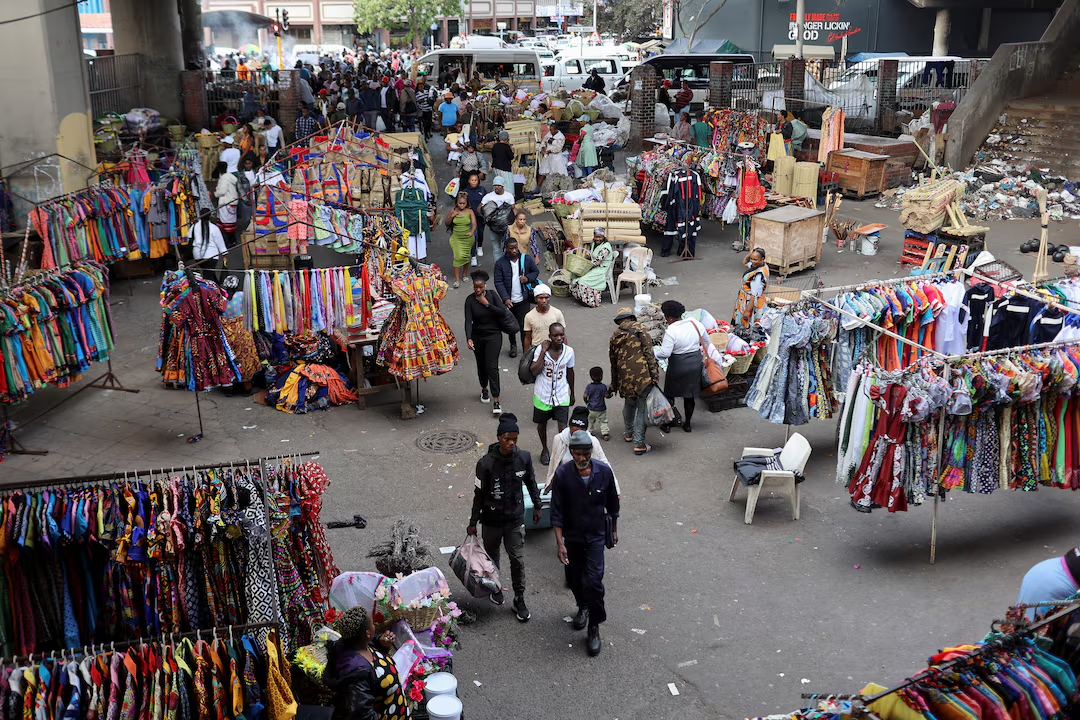
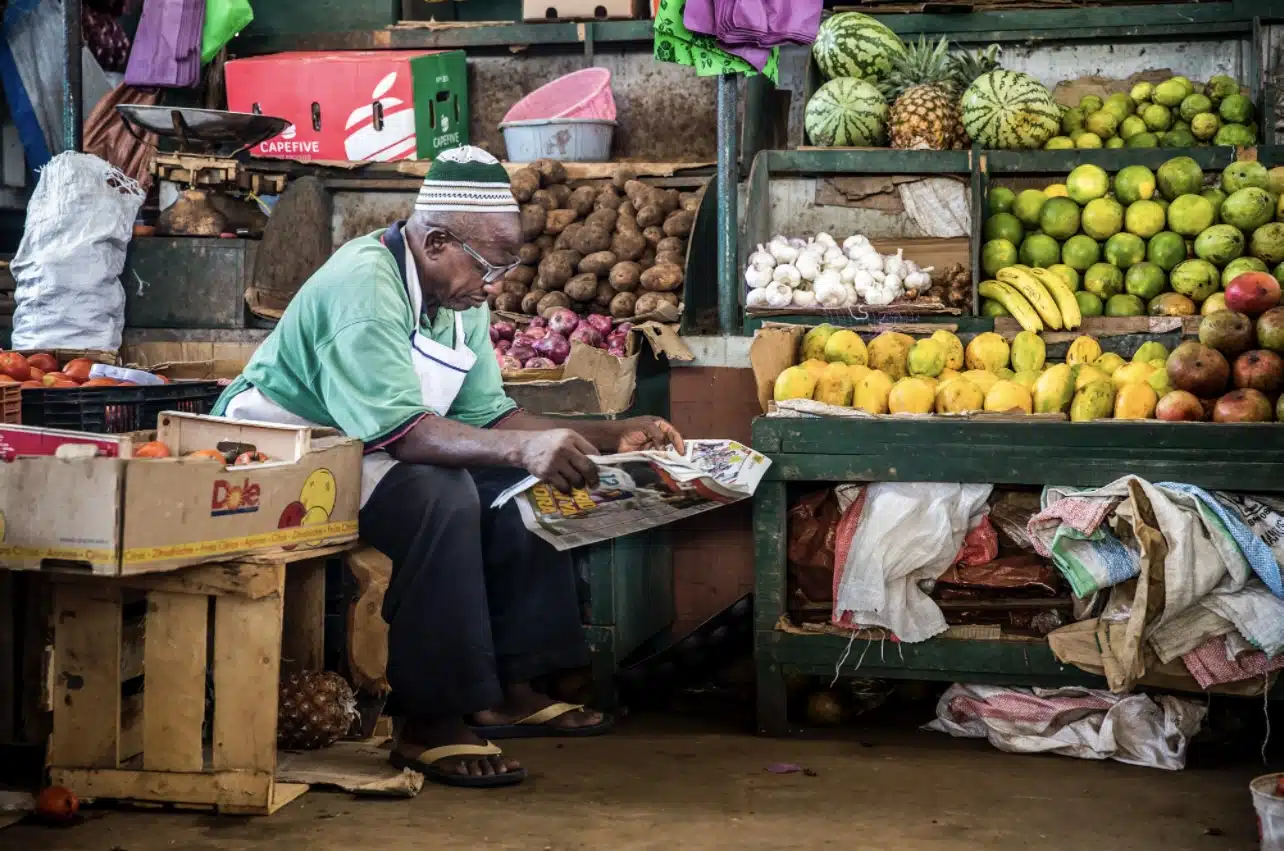
Employment in agriculture declined from 64.2% to 62.4% of the workforce, but most workers leaving the sector have moved into services rather than manufacturing.
According to the AfDB:
“Much of the labour that left agriculture was absorbed by services rather than industry. This points to the fact that, although structural change is happening, it is not driven by labour productivity.”
For policymakers and investors, this pattern raises concerns about the sustainability of Ethiopia’s growth model, which relies heavily on expanding manufacturing capacity through industrial parks and export-oriented production.
The government’s Ten-Year Development Plan aims to increase manufacturing’s contribution to GDP from 7% to 15% by 2027 but the AfDB review suggests that target may prove difficult to achieve without further reforms.
Persistent constraints
The report highlights several structural barriers limiting manufacturing growth. Infrastructure constraints remain significant, including power shortages and transport bottlenecks that raise production costs and reduce competitiveness.
Foreign-exchange shortages continue to restrict manufacturers’ ability to import machinery, spare parts and raw materials, limiting production capacity in industrial parks.
The report also highlights skills gaps, partly linked to disruptions in the education system. An estimated 8 million children are out of school due to conflict and climate-related shocks, weakening the future industrial workforce. In addition, security risks and regional tensions continue to disrupt supply chains and weigh on investor confidence.
Labour market pressures
Youth unemployment remains elevated at 23.1%, compared with an overall unemployment rate of 8%. With one of the youngest populations in Africa, the lack of manufacturing job creation could limit Ethiopia’s ability to capture a potential demographic dividend and support long-term income growth.
Financing and investment challenges
The AfDB review also points to structural weaknesses in Ethiopia’s financial system. Limited access to finance and an underdeveloped capital market continue to constrain domestic funding for both small and medium-sized enterprises (SMEs) and larger industrial firms.
The report notes that reforms aimed at improving economic and financial governance and expanding infrastructure investment will be critical to supporting the country’s industrialisation agenda.
Between 2023 and 2025, the AfDB approved $538.8 million in projects across energy, transport, agriculture and governance.
This fell short of the $827.46 million originally planned, largely due to lower allocations from the African Development Fund and the absence of private-sector (non-sovereign) operations.
Outlook
Ethiopia remains one of Africa’s largest economies and a key market in the Horn of Africa region.
However, the AfDB’s mid-term review suggests that sustaining high growth while expanding productive employment will require faster progress on infrastructure investment, foreign-exchange reforms and human capital development.
Without these improvements, Ethiopia risks maintaining strong headline GDP growth without achieving the industrial job creation needed for long-term structural transformation.