


Burundi’s latest push into critical minerals has lifted investor interest in Lifezone Metals, but questions around execution, data control and governance highlight the risks facing one of Africa’s poorest economies.
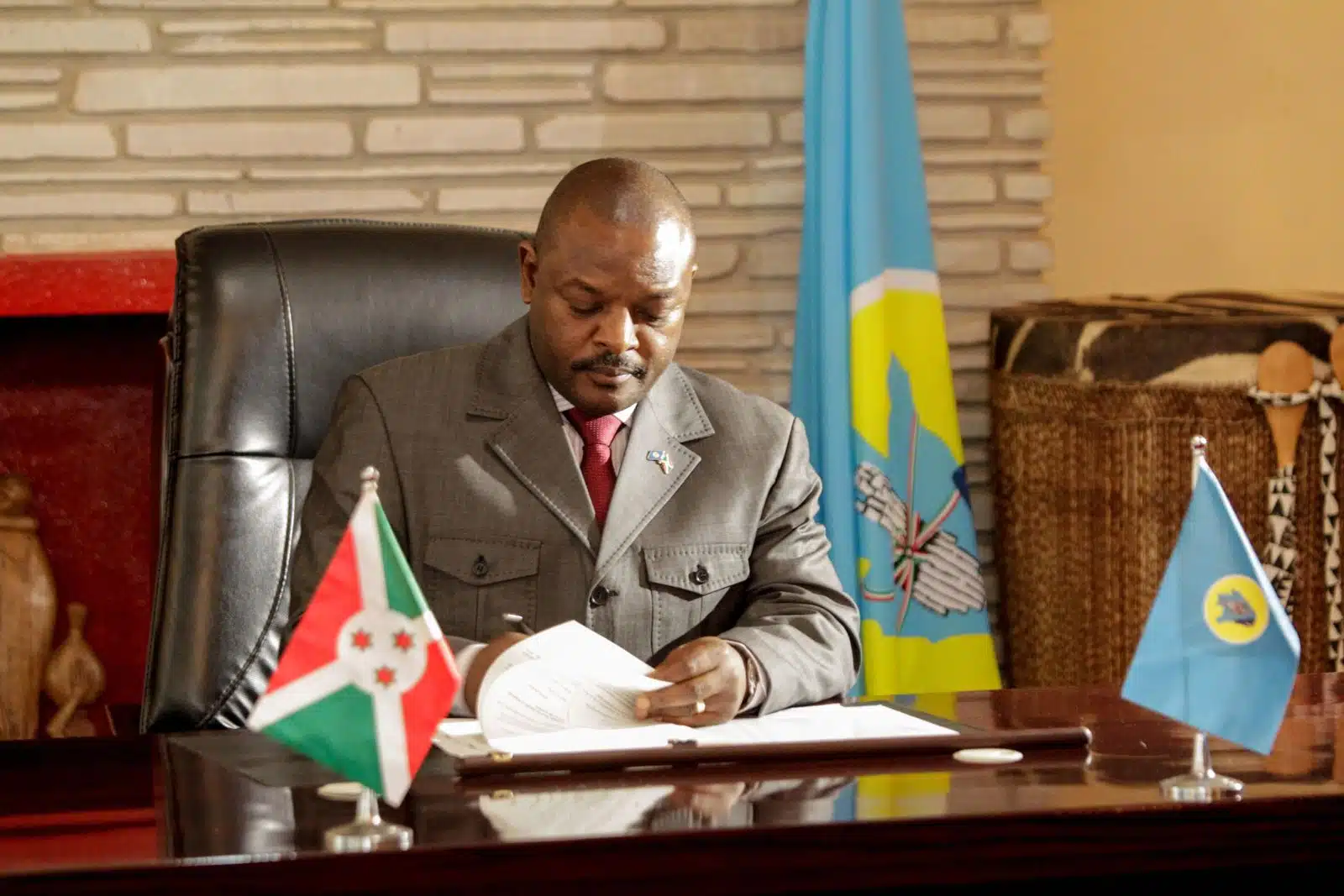
The government signed two agreements in Washington, D.C., with Lifezone and KoBold Metals to advance exploration of the Musongati nickel project, as global demand for battery metals accelerates.
Market reaction reflects cautious optimism
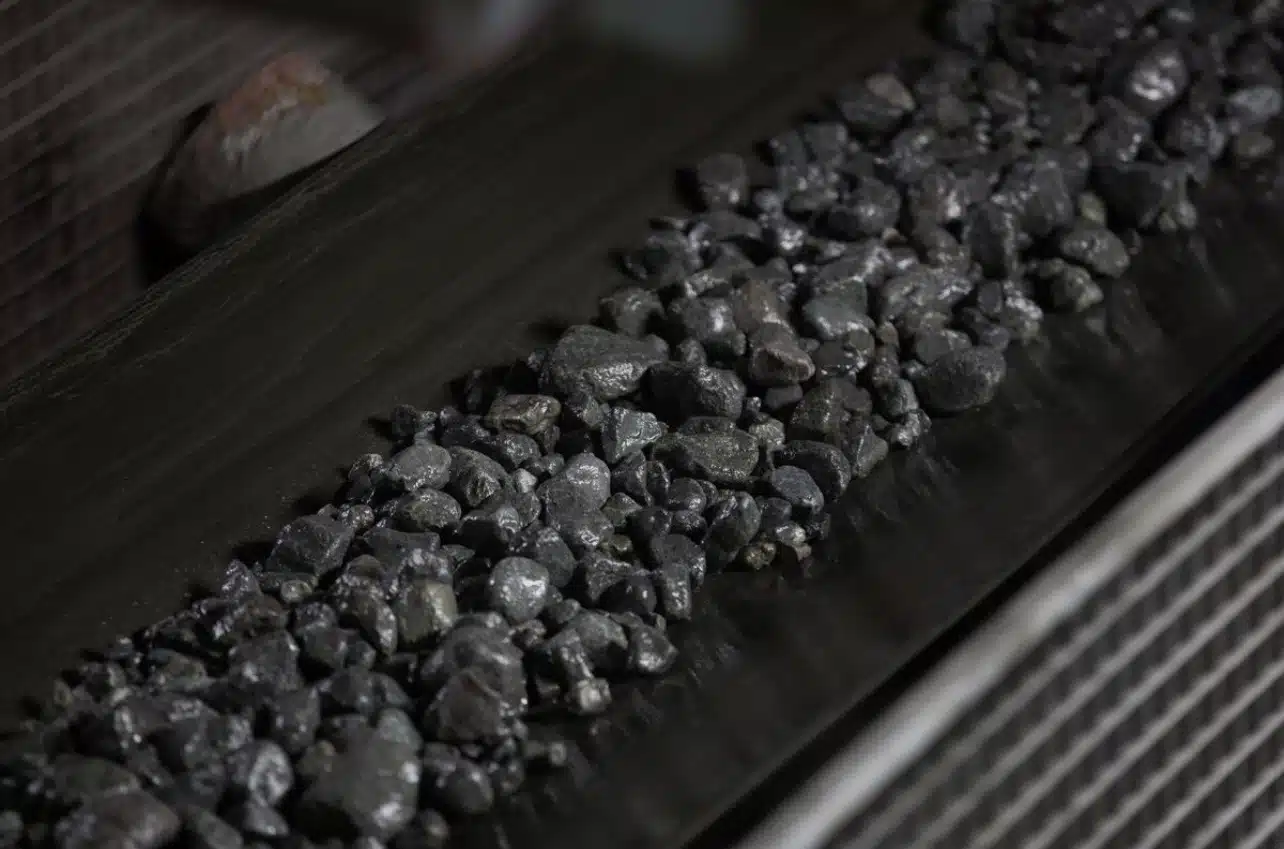
Lifezone secured a 14-month exclusivity agreement to evaluate and potentially develop the Musongati deposit, one of the largest undeveloped nickel laterite resources in East Africa.
The announcement pushed Lifezone shares up about 5.6% intraday, with its market capitalisation hovering around $350–$354 million, reflecting modest investor optimism tempered by execution risk.
Historical estimates suggest Musongati contains over 140 million tonnes of ore, with nickel grades of 1.31–1.43%, alongside cobalt, copper and other by-products. The project lies within the East African Nickel Belt, near Lifezone’s flagship Kabanga project in Tanzania.
Global demand tailwinds
The deal comes amid rising demand for nickel, a key input in electric vehicle batteries.
The International Energy Agency projects global nickel demand could reach 5.7 million tonnes by 2040, with clean energy applications accounting for a growing share.
For Burundi, where GDP per capita is projected at around $618 in 2026, the agreements offer a potential pathway to foreign investment, export diversification and integration into global battery supply chains.
Data control raises new questions
Alongside the mining agreement, KoBold Metals committed to digitising Burundi’s geological data using AI, with plans to make the database publicly accessible.
While the move could improve transparency and attract investors, it also raises concerns over:
- data sovereignty
- potential information asymmetry
- preferential access for foreign firms
Similar tensions have emerged in other African jurisdictions, including the Democratic Republic of Congo, where data ownership and control remain contested.
Execution risks remain significant
Despite the upside, the project remains at an early evaluation stage, with no guarantee of development.
Key risks include:
- long project timelines, spanning feasibility, financing and permitting
- infrastructure constraints in a low-income economy
- commodity price volatility
Environmental risks are also material. Large-scale nickel laterite mining typically involves open-pit operations, with significant land disruption, water usage and tailings management challenges.
A familiar risk: value capture
The agreements also highlight a broader concern in Africa’s extractive sector — whether host countries capture sufficient value.
Without strong safeguards on:
- revenue sharing
- local content
- technology transfer
- independent oversight
There is a risk that Burundi could follow a familiar pattern, where foreign investors capture the bulk of value while local communities bear environmental and social costs.
For investors, Lifezone’s valuation reflects early-stage optimism around regional nickel potential.
For Burundi, the agreements represent a high-stakes opportunity — one that could accelerate development, but only if execution, governance and value capture are effectively managed.