


Tanzania’s central bank has taken an equity stake in Africa Finance Corporation (AFC), reinforcing the regional financier’s capital base and signalling growing sovereign confidence following its first investment-grade credit rating.
AFC said in a statement on Wednesday that the investment strengthens its pan-African ownership structure and capacity to provide infrastructure financing.
The move comes shortly after the corporation secured an A rating from S&P Global, with a positive outlook, a milestone expected to lower its funding costs and improve access to long-term capital.
Sovereign backing and funding strength
The addition of the BOT further aligns with AFC’s strategy to diversify its shareholder base — a key concern raised by S&P in its latest review. Stronger sovereign backing enhances capital buffers and reduces perceived risk, enabling the institution to raise funds on more competitive terms.
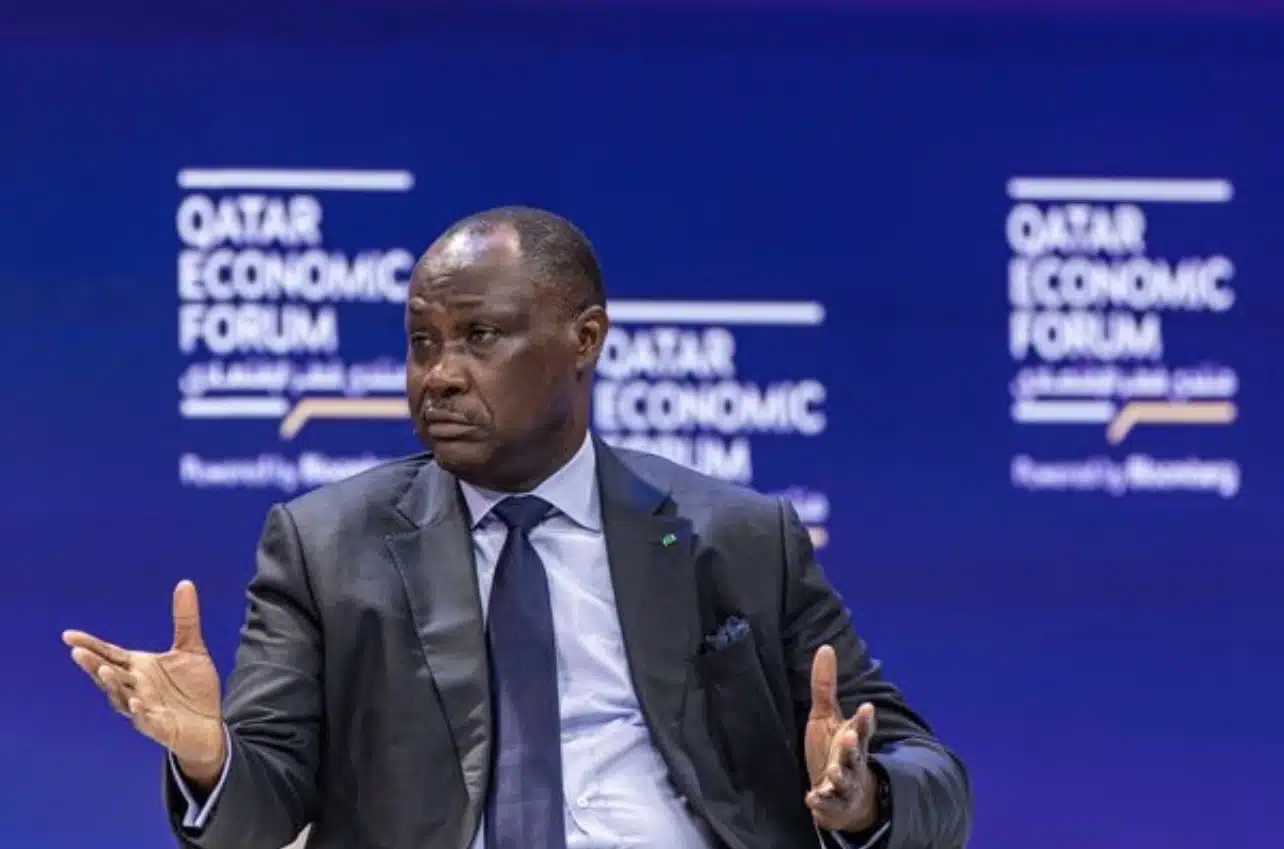
“Our investment reflects confidence in AFC’s model and aligns with Tanzania’s priorities to strengthen economic resilience and support private sector growth,” said Emmanuel Tutuba, Governor of the BoT.
Established in 2007, the corporation has invested more than $19 billion across 36 countries as of December 2025, focusing on sectors including energy, transport, heavy industry and telecommunications. Its model — combining sovereign support with access to international capital markets — has positioned it as a key channel for mobilising long-term financing for high-impact projects across Africa.
“We value this as a strong vote of confidence in AFC’s mandate and track record,” said Samaila Zubairu, President and Chief Executive Officer of AFC, adding that the investment reinforces the role of African-led institutions in bridging the continent’s infrastructure gap.
Contrasting pressures on Afreximbank
AFC’s strengthening position stands in contrast to the challenges facing African Export-Import Bank (Afreximbank), which has faced a series of rating pressures over the past year.
In June last year, Moody’s downgraded Afreximbank from Baa1 to Baa2, citing weaker-than-expected asset performance and warning that its access to funding sources was narrowing. The agency also flagged rising risks linked to the bank’s increased exposure to unsecured lending to sovereigns under financial stress, a shift away from its traditional focus on trade finance.
More recently, Fitch Ratings downgraded the lender further into non-investment grade territory last month, effectively pushing its credit profile deeper into “junk” status. The development culminated in a complete severance of the bank’s relationship with the New York-based agency, which no longer assesses its creditworthiness.
The contrasting trajectories underscore the importance of strong capitalisation, diversified shareholder support and disciplined lending strategies in maintaining investor confidence and access to affordable funding.
Positioned for growth
With a stronger capital base, improved credit profile and expanding sovereign backing, AFC is positioned to scale its financing activities at a time when African economies face rising demand for capital to support industrialisation, energy transition and regional connectivity.
Tanzania’s investment signals not only confidence in AFC’s model but also a broader shift towards greater African participation in funding the continent’s development priorities.