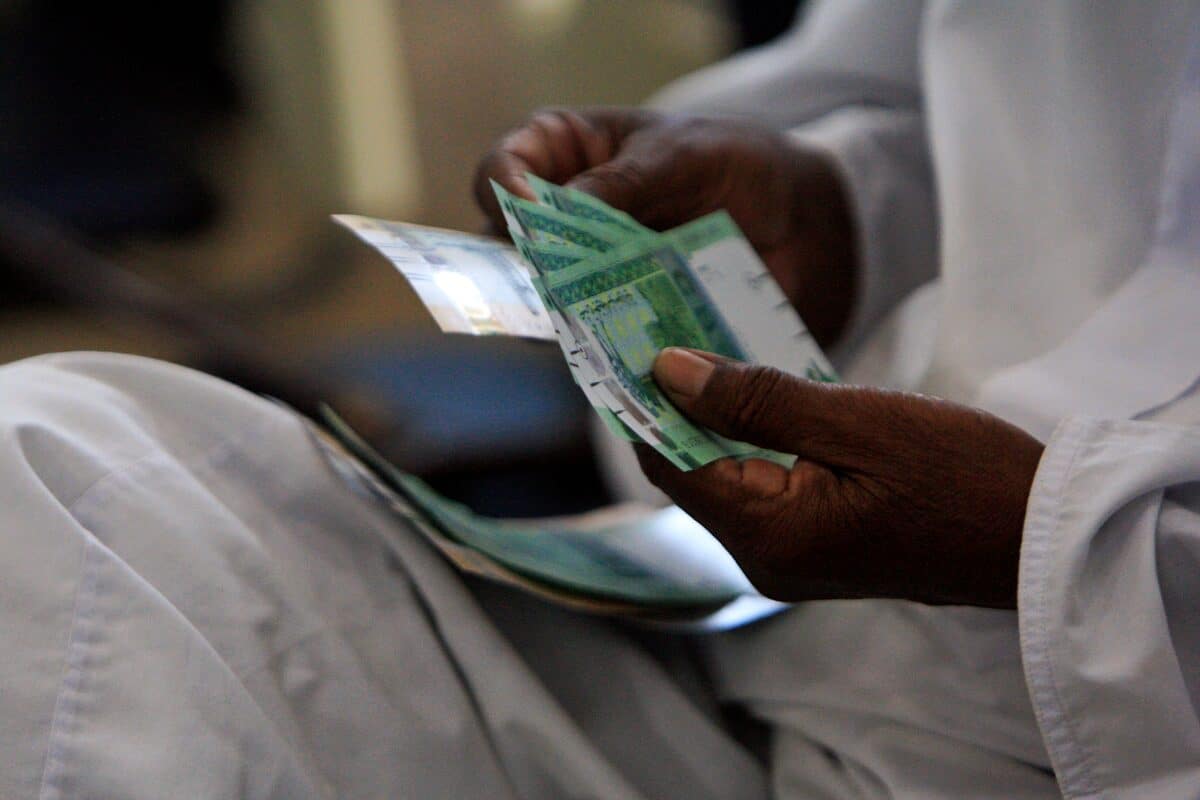



Nigeria recorded a sharp rebound in investor confidence last year, with net capital inflows jumping almost 90% to $23.22 billion in 2025 from $12.32 billion in 2024, according to official data released Thursday.
The surge was driven overwhelmingly by foreign portfolio investment (FPI), which more than doubled to $19.74 billion from $8.38 billion the previous year and accounted for roughly 85% of total inflows. Investors piled into high-yielding local bonds and money-market instruments after a series of economic reforms that liberalised foreign-exchange rules and restored access to the naira market.
Portfolio surge vs. modest FDI growth
Within the portfolio flows, money-market instruments attracted $13.83 billion, while bond inflows leapt nearly fivefold to $4.89 billion. Equity portfolio investment added a more modest $2.10 billion. The United Kingdom remained the dominant source of capital, providing 58% of the total inflows, with the banking sector capturing the largest share.
Foreign direct investment (FDI), the long-term capital that funds factories, infrastructure and jobs grew only modestly to $923 million from $675 million in 2024. “Other investment,” which includes loans, actually fell to $2.55 billion from $3.27 billion.
Implications for Nigeria’s economy and global investors
For Nigeria’s economy, the data marks a significant vote of confidence after years of currency volatility and capital flight. The influx has helped rebuild foreign-exchange reserves, eased pressure on the naira and signalled that the government’s reform agenda including the unification of exchange rates and removal of fuel subsidies is beginning to restore market appeal. Higher inflows also support government borrowing at lower domestic rates and could indirectly spur broader economic activity through increased liquidity.
Yet analysts caution that the composition of the flows carries risks for both the economy and investors. The dominance of short-term portfolio money, chasing yields that remain among the highest in emerging markets, leaves Nigeria vulnerable to sudden reversals if global interest rates shift or risk sentiment sours. The tepid rise in FDI suggests foreign companies are still wary of committing to long-term projects amid lingering concerns over policy consistency, infrastructure gaps and security.“
Investors are back for the carry trade, not for the long haul,” one Lagos-based portfolio manager noted. “That’s great for the balance of payments in the short term, but it doesn’t build the productive capacity the economy desperately needs.”
For global investors, Nigeria once again offers attractive risk-adjusted returns in its fixed-income markets, particularly for those comfortable with emerging-market volatility. However, the data underscores the need for careful portfolio construction: heavy exposure to money-market and bond instruments could face mark-to-market swings if the naira weakens or yields compress.
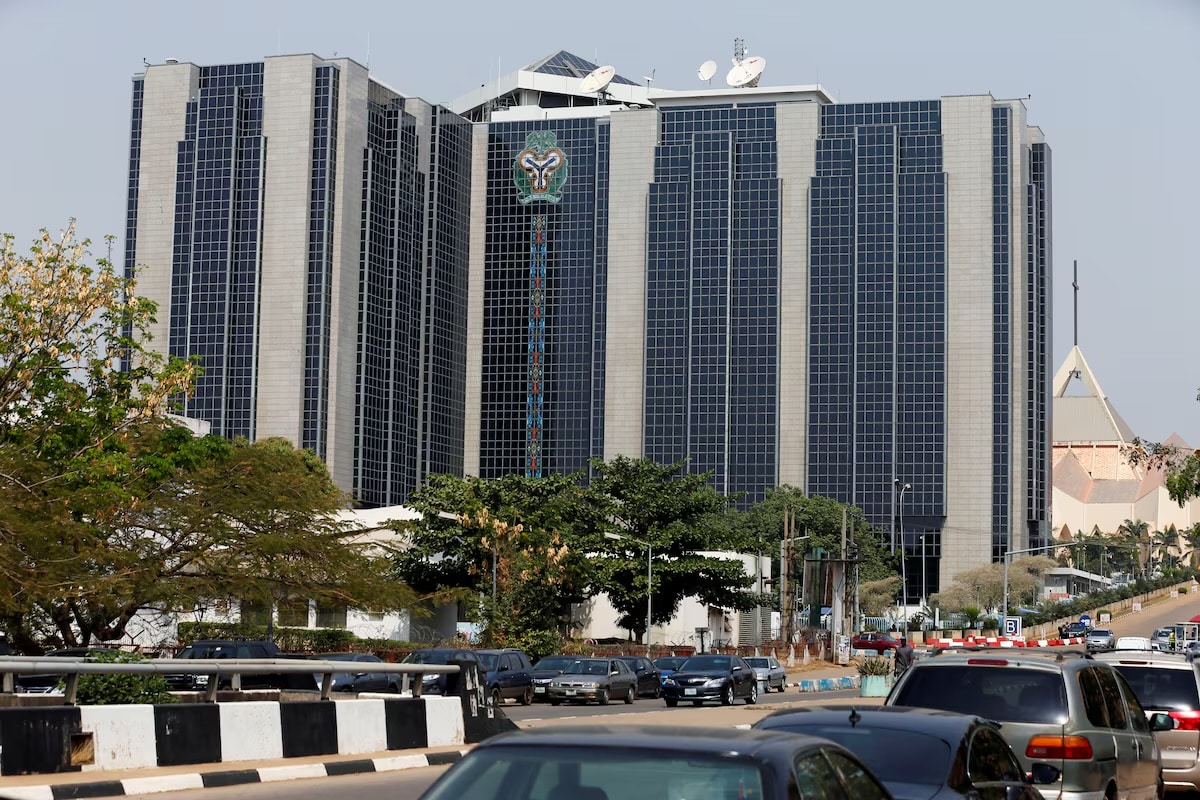
The Central Bank of Nigeria is expected to release fuller balance-of-payments details in the coming weeks, providing further insight into how these inflows are being deployed and whether they can translate into sustained economic momentum heading into 2026.