



South Africa’s private sector returned to growth in March after two months of stagnation, with the S&P Global Purchasing Managers’ Index (PMI) rising to 50.8 from a flat 50.0 reading in February, according to a survey released on Tuesday.
A reading above the neutral 50.0 level indicates an improvement in business conditions, marking the first expansion since late 2025 and offering a modest positive signal for Africa’s most industrialised economy as it navigates a delicate recovery phase.
The rebound was primarily driven by the fastest pace of output growth in six months. Firms reported new project wins and stepped-up efforts to rebuild inventories, which helped boost overall activity levels. In response, companies expanded capacity, leading to the strongest increase in employment since May 2024. These developments pointed to some underlying resilience in domestic operations despite broader challenges.
Demand weakness and falling exports highlight vulnerabilities
However, demand indicators painted a more cautious picture. New orders contracted for a second consecutive month, reflecting knock-on effects of the ongoing war in Iran. The decline in new export sales was particularly pronounced, recording the sharpest drop in just over two years.
Business confidence deteriorated sharply during the month, falling to its lowest level since July 2021. Only around 32% of surveyed firms anticipated a rise in output over the coming year. Panellists pointed to heightened uncertainty stemming from the Middle East conflict, which has raised concerns about potential disruptions to foreign demand, supply chains, and input costs.
The conflict’s duration remains a critical factor, with risks of higher energy prices and reduced export opportunities weighing on sentiment.
Geopolitical risks cloud the outlook for sustained recovery
David Owen, senior economist at S&P Global Market Intelligence, described the data as reflecting “a bifurcated trend in the South African private sector.” He noted that while output and hiring showed improvement, the weakness in new orders and exports, combined with subdued confidence, underscores vulnerability to external shocks.
The March PMI data arrives against a backdrop of challenging conditions in late 2025, when the index slipped into contraction territory. The return above 50.0 provides some encouragement for policymakers and investors monitoring South Africa’s growth trajectory. Yet the combination of falling new orders, plunging exports, and record-low business optimism highlights the economy’s exposure to geopolitical developments.
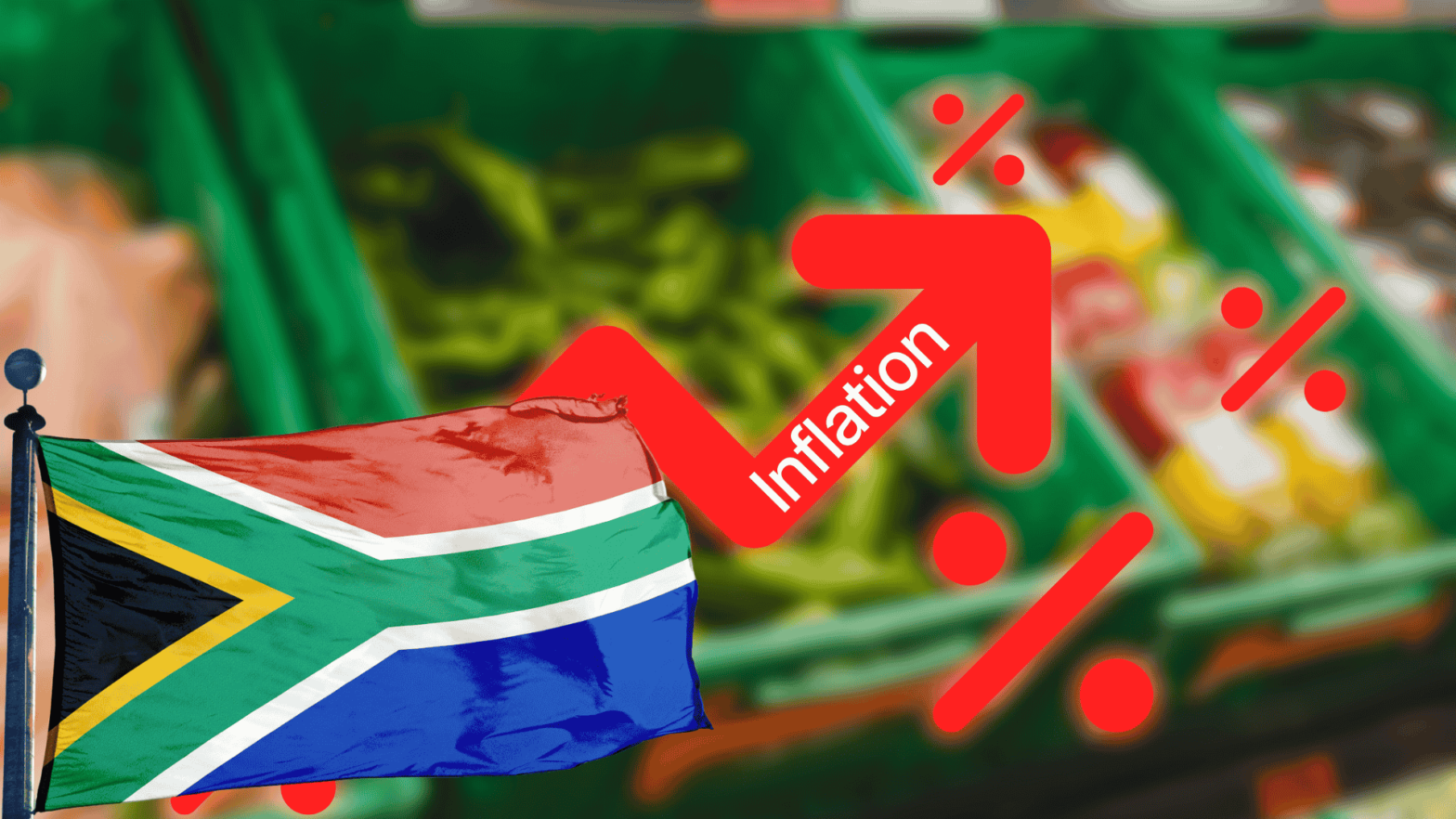
Broader context includes potential spillover effects from the crisis in the Persian Gulf, such as elevated fuel prices that could feed into inflation and squeeze margins for import-dependent sectors. South Africa’s central bank has previously flagged the war as a cloud over the economic outlook, noting interruptions to buoyant financial markets and risks to the cost-of-living.
Analysts will closely watch subsequent PMI releases and official GDP data for signs of whether the March uptick can sustain momentum or prove short-lived.